



What You Should Know: The Reality About 5 ml Lip Filler
It does not matter whether you are new to cosmetic treatments or have explored aesthetic procedures before — questions around...
Lip fillers seem to boost one’s beauty instantly. But like any cosmetic procedure, sometimes things do go wrong. There is a growing population of individuals dealing with aesthetic concerns, filler migration, or simply wishing to remove the lip fillers, seeking processes for lip filler dissolution.
One of the most common concerns during this process is dissolving lip filler swelling, which is a normal part of recovery when managed correctly. With any procedure, there are concerns, particularly surrounding swelling after dissolving lip fillers.
If you would like to know more about the aftercare associated with dissolving lip fillers, you’ve come to the right place.
Dissolving lip fillers comes with certain difficulties. These include:
Regardless of overfilling or just looking too ‘done,’ some people do not like the way they look.
Filler that has gone beyond the borders of the controlled area may result in boxy or contoured shapes.
The formation of nodules in the fatty tissue or persistent tissue changes may cause discomfort or aesthetic concern.
Although uncommon, inflammatory responses may require partial or full dissolution.
Lip filler dissolving is performed using an injectable enzyme called hyaluronidase.
A qualified practitioner will assess your lips, filler type, and concerns to determine whether dissolving is appropriate.
A topical numbing cream is usually applied to reduce discomfort during treatment.
Hyaluronidase breaks down hyaluronic acid-based fillers, which make up the majority of lip fillers used in the UK.
Your body gradually absorbs the broken-down filler over several days.
You should expect swelling when a lip filler is being dissolved.
Swelling occurs because hyaluronidase is injected directly into sensitive lip tissue, triggering a temporary inflammatory response.
In most cases, dissolving lip filler swelling settles within 24–48 hours, although mild swelling or bruising can last a few extra days.
Swelling is caused by tissue irritation, enzyme activity, and minor trauma from the injection itself.
To reduce dissolving lip filler swelling and support recovery, consider the following:
A cold compress can help minimise swelling and discomfort during the first 24–48 hours.
Drinking water supports the body’s natural healing and absorption process.
Avoid saunas, steam rooms, hot showers, and vigorous exercise for at least 48 hours.
Keeping your head slightly raised can help prevent fluid build-up around the lips.
Only take anti-inflammatory medication if recommended by your practitioner.
Most patients notice visible changes within 24–72 hours as the filler begins to break down.
Swelling typically resolves within 5–7 days, allowing the lips to settle back to their natural shape.
Dissolving lip fillers is generally safe when carried out by a trained medical professional.
A patch or test dose of hyaluronidase may be performed to check for allergic reactions.
UK practitioners often recommend waiting several weeks before re-injecting fillers to allow tissues to fully recover.
Symmetry cannot always be guaranteed and multiple sessions may be required.
The GMC emphasises that cosmetic procedures must prioritise patient safety, informed consent, and realistic expectations. Source: GMC – Cosmetic Interventions
Set Realistic Goals: Discuss achievable outcomes with your practitioner before treatment.
Understand Possible Risks: Although rare, allergic reactions or temporary textural changes may occur.
Plan for Downtime: Allow recovery time, especially before major events or photoshoots.
When considering dissolving lip fillers, choose a practitioner who:
Choosing a qualified practitioner significantly reduces the risk of complications.
A: Most swelling resolves within 48 hours, with full settling in up to 7 days.
A: It can be slightly more noticeable initially due to enzyme activity, but it settles quickly.
A: Mild fluctuations can occur in the first few days but are usually temporary.
A: If swelling worsens, becomes painful, or is accompanied by redness or fever.
If dissolving lip filler swelling is a concern for you, a consultation with a qualified UK aesthetic practitioner can provide reassurance, expert assessment, and a tailored aftercare plan. With the right guidance, recovery is usually smooth and predictable.

It does not matter whether you are new to cosmetic treatments or have explored aesthetic procedures before — questions around...
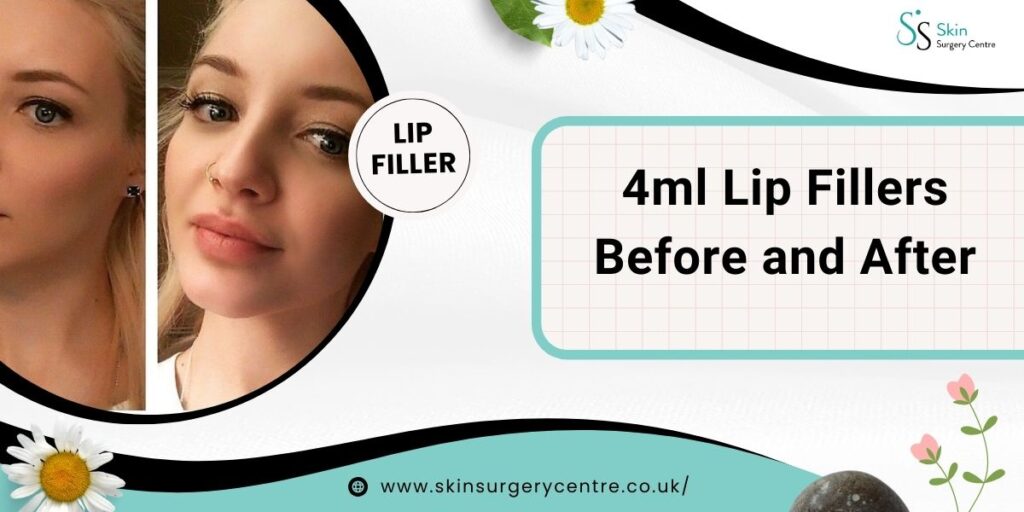
Have you considered fillers for lip enhancement but come across the term 4ml lip filler before and after results? Lip...
Are you considering fillers and questioning whether 3ml is the right volumetric choice for you? Be it your first encounter...
Everyone desires fuller and more appealing lips these days, and getting lip fillers is one of the most popular cosmetic...
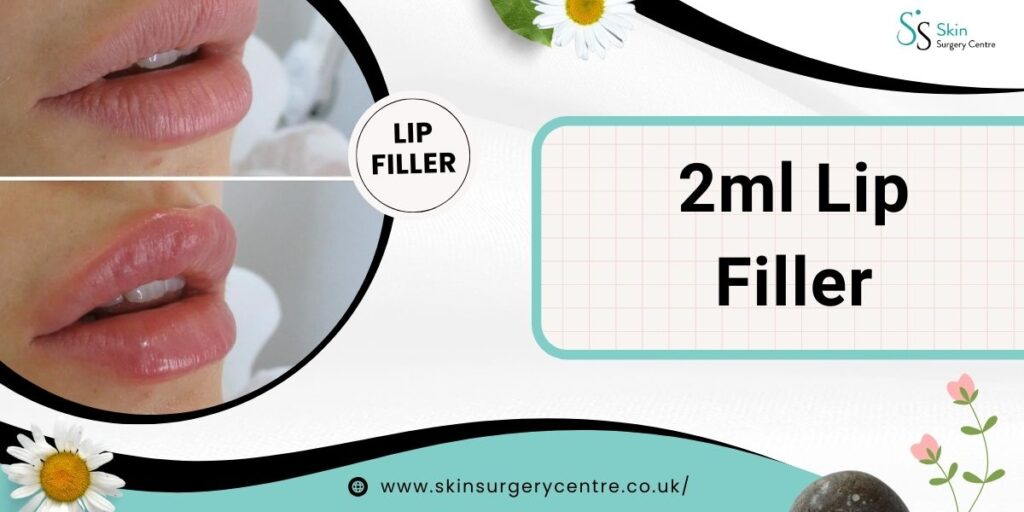
With increasing demand in the beauty industry, lip fillers are widely used to enhance volume, symmetry, and definition. However, one...