



What You Should Know: The Reality About 5 ml Lip Filler
It does not matter whether you are new to cosmetic treatments or have explored aesthetic procedures before — questions around...
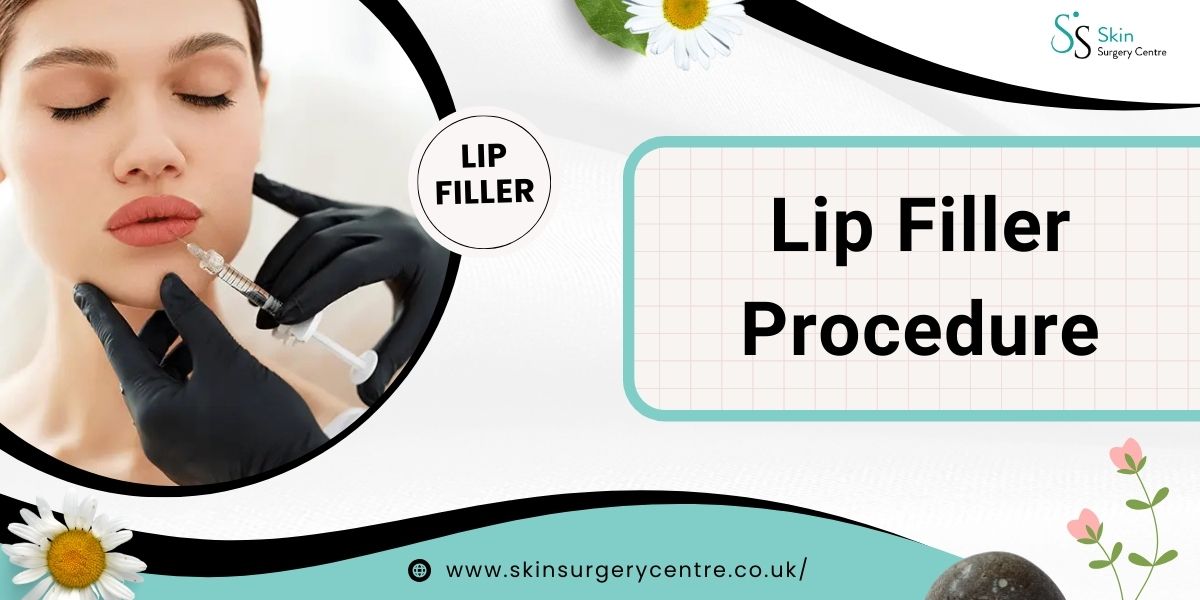
If you are contemplating a lip filler treatment, know that you aren’t the only one doing so. Lip augmentation ranks among the most sought-after cosmetic procedures globally. Lip fillers appeal to patients seeking subtle enhancement, improved symmetry, and restored volume without surgery.
However, it is important to understand the lip filler procedure, how it works, and what realistic outcomes look like before booking an appointment. This guide is designed to help you make informed, medically sound decisions.
Lip fillers are injectable treatments used to enhance lip volume, shape, and definition while softening fine lines. The most commonly used fillers are made from hyaluronic acid (HA), a substance naturally present in the body.
HA attracts and retains water, helping lips appear fuller while maintaining softness and natural movement. A key advantage of HA-based fillers is that they are temporary and reversible, allowing adjustments if results are not as expected.
| Treatment Type | How It Works | Longevity | Reversibility | Downtime | Suitability |
|---|---|---|---|---|---|
| Lip Filler Procedure (HA) | Injectable hyaluronic acid adds volume and shape | 6–12 months | Yes (hyaluronidase) | Minimal | Most patients seeking natural enhancement |
| Lip Flip (Botulinum toxin) | Relaxes upper lip muscle | 2–4 months | No | Minimal | Mild enhancement, no volume |
| Lip Plumping Products | Temporary topical swelling | Hours | N/A | None | Cosmetic illusion only |
| Surgical Lip Lift | Shortens philtrum surgically | Permanent | No | Weeks | Selected structural cases |
Clinical note: Lip fillers remain the most adjustable and customisable option for most patients.
Most lip filler procedures use HA-based fillers due to their predictable behaviour and safety profile. Brands such as Juvederm and Restylane offer different formulations designed for hydration, structure, or volume.
Product choice is based on lip anatomy, tissue quality, and desired outcome — not brand popularity alone.
Lip filler treatments are generally quick and well tolerated when performed by trained professionals.
Most treatments take 15–30 minutes. Longer sessions are usually reserved for corrective or combined treatments.
Topical numbing cream, ice packs, or local anaesthetic may be used. Many HA fillers also contain lidocaine for added comfort.
Lip filler placement is tailored to each patient.
Common treatment areas include:
| Injection Area | Purpose | Aesthetic Benefit | Risk if Poorly Placed |
|---|---|---|---|
| Vermilion Border | Definition | Sharper lip outline | Filler migration or shelf |
| Cupid’s Bow | Structure | Improved symmetry | Over-definition |
| Lip Body | Volume | Fuller lips | Overfilling |
| Oral Commissures | Support | Subtle lift | Downturned corners |
Precision matters more than volume when aiming for natural results.
Volume and shape changes are visible immediately. Swelling can temporarily exaggerate results for 24–48 hours, with final results best assessed after settling.
Lip fillers are temporary. Results usually last 6–12 months, sometimes longer depending on:
| Factor | Effect on Results |
|---|---|
| Metabolism | Faster metabolism leads to shorter filler duration |
| Filler Type | Softer, lighter fillers dissolve sooner than firmer products |
| Injection Technique | Correct depth and placement improve longevity |
| Lifestyle | Smoking and excessive sun exposure shorten results |
| Volume Used | Conservative volumes age more naturally over time |
In the UK, lip filler prices typically range from £450–£600 per syringe, depending on clinic location, practitioner expertise, and product used.
| Expected Effect | Duration | When to Monitor | When to Seek Help |
|---|---|---|---|
| Swelling | 24–72 hours | Gradually improving each day | Worsening after 72 hours |
| Bruising | 5–14 days | Normal colour changes during healing | Increasing size or pain |
| Tenderness | 1–3 days | Mild sensitivity only | Severe or worsening pain |
| Redness | Few hours | Localised to injection site | Spreading redness or warmth |
Lip fillers are considered safe when performed by qualified practitioners using approved products. In the UK, dermal fillers are regulated for product safety by the MHRA, and clinical standards must be followed.
Aftercare is essential for optimal results. Follow-up appointments are often scheduled around two weeks post-treatment to assess symmetry and settling.
| Suitable Candidates | Less Suitable Candidates |
|---|---|
| Healthy adults (18+) | Active infections |
| Seeking subtle enhancement | Unrealistic expectations |
| Comfortable with temporary results | Severe filler reactions |
| Willing to follow aftercare | Poor compliance |
A: A lip filler procedure involves injecting hyaluronic acid to enhance lip volume, shape, and definition.
A: Most patients report mild discomfort, well managed with numbing agents.
A: No. HA fillers gradually break down over time.
A: Yes. HA fillers can be dissolved using hyaluronidase.
If you are considering a lip filler procedure, a consultation with a qualified aesthetic practitioner allows you to discuss suitability, safety, and personalised treatment planning to achieve balanced, natural-looking results.

It does not matter whether you are new to cosmetic treatments or have explored aesthetic procedures before — questions around...
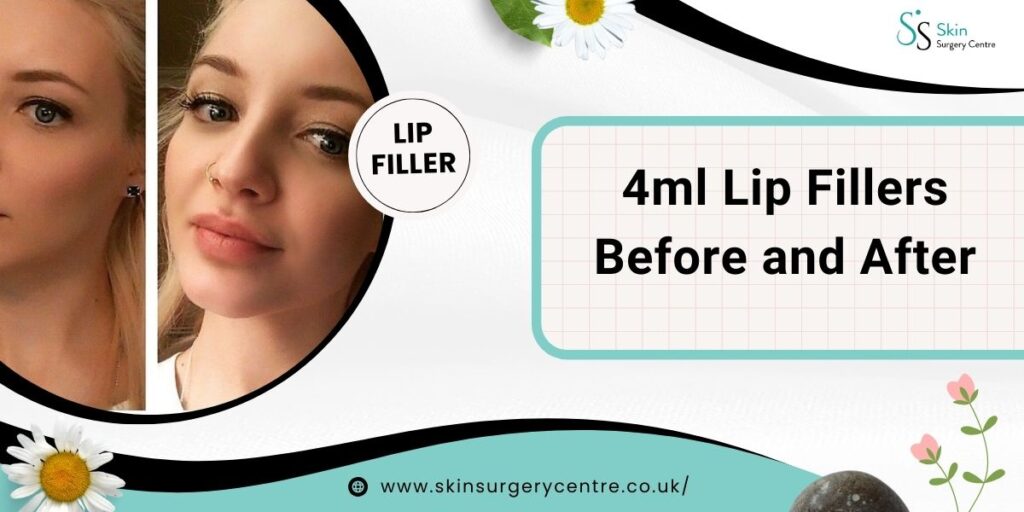
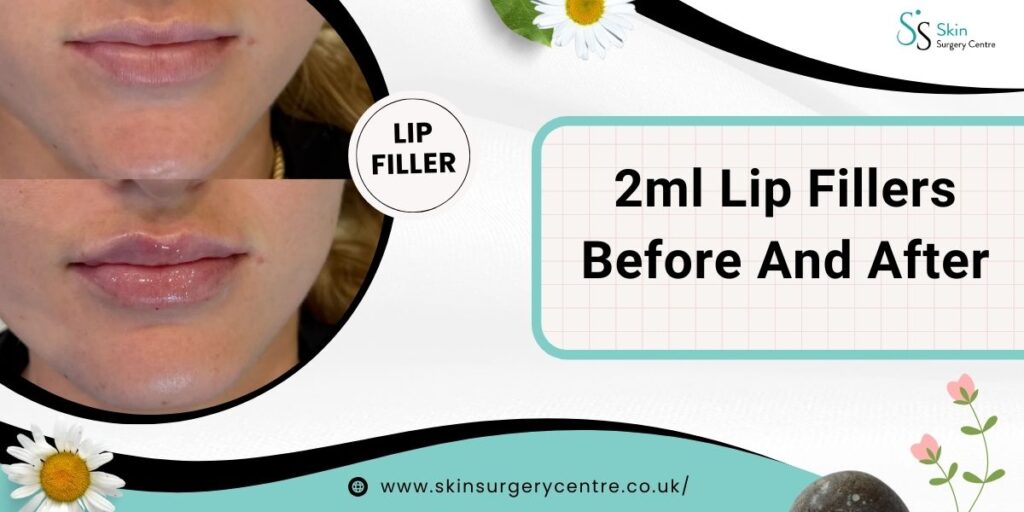
Have you considered fillers for lip enhancement but come across the term 4ml lip filler before and after results? Lip...
Are you considering fillers and questioning whether 3ml is the right volumetric choice for you? Be it your first encounter...
Everyone desires fuller and more appealing lips these days, and getting lip fillers is one of the most popular cosmetic...
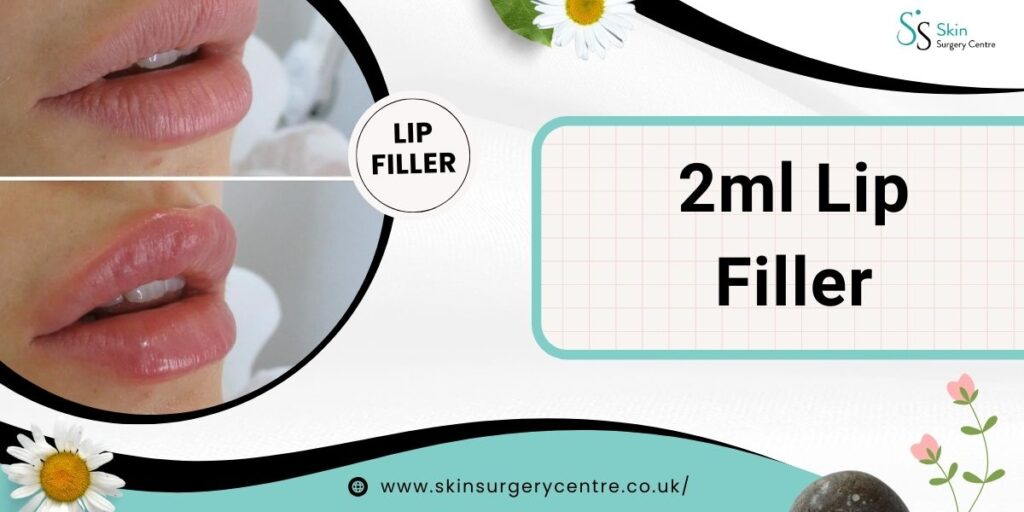
With increasing demand in the beauty industry, lip fillers are widely used to enhance volume, symmetry, and definition. However, one...