



What You Should Know: The Reality About 5 ml Lip Filler
It does not matter whether you are new to cosmetic treatments or have explored aesthetic procedures before — questions around...
Like any other cosmetic procedure, fillers come with their share of risks such as excessive pain and discomfort. But don’t worry! You are not alone. Lip fillers are among the most commonly performed non-surgical cosmetic treatments, and a certain degree of pain after lip fillers is expected.
If your appointment is coming up or you have already undergone treatment, it is important to understand why pain after lip fillers occurs, how long it typically lasts, how to manage it safely, and when pain may signal a complication.
Pain after lip fillers is a normal inflammatory response to multiple small injections and tissue expansion. The lips are highly sensitive due to their dense network of nerve endings and blood supply.
The most common reasons for pain after lip fillers include:
From a clinical perspective, mild to moderate discomfort is expected and usually self-limiting.
Most patients describe pain after lip fillers as a dull ache, tightness, or tenderness rather than sharp pain.
Typical timeline:
Persistent or worsening pain beyond 7–10 days is not typical and should be assessed by your practitioner.
Paracetamol is generally recommended for pain relief.
Avoid aspirin unless advised, as it may increase bruising. Ibuprofen should only be used if your practitioner confirms it is appropriate.
Topical arnica may help reduce bruising, although evidence is limited.
Apply a wrapped ice pack for 10–15 minutes every few hours during the first 24 hours.
Never apply ice directly to the skin, as this can cause cold injury.
Most clinics use topical anaesthetic or lidocaine-containing fillers.
In selected cases, dental nerve blocks may be used to minimise procedural pain.
For the first 24–48 hours, avoid:
These can all worsen swelling and pain.
While discomfort is normal, certain symptoms require urgent medical assessment:
These may indicate infection, vascular compromise, or an inflammatory reaction and must be reviewed immediately.
From a practitioner’s perspective, most post-filler pain is preventable with:
Always choose a qualified UK practitioner with appropriate medical training, experience in facial anatomy, and access to emergency management protocols.
UK clinical guidance from the NHS, BAAPS, and the GMC highlights that dermal fillers should only be performed by appropriately trained professionals, with clear patient consent and aftercare instructions.
Authoritative guidance confirms:
A: Yes. Mild to moderate pain, tenderness, and swelling are expected for several days after treatment.
A: Most discomfort improves within 3–7 days. Pain lasting longer than 10–14 days should be assessed.
A: Severe or worsening pain, skin colour changes, or fever are not normal and require urgent review.
A: Follow your practitioner’s aftercare advice, use cold compresses, take paracetamol if advised, and avoid pressure or heat.
Pain after lip fillers is usually temporary, manageable, and predictable when treatment is performed correctly. Understanding what is normal — and recognising warning signs early — is essential for a safe and reassuring experience.
If you are planning lip fillers or are concerned about discomfort after treatment, a consultation with a qualified practitioner will help ensure both comfort and optimal aesthetic results, with safety always placed first.

It does not matter whether you are new to cosmetic treatments or have explored aesthetic procedures before — questions around...
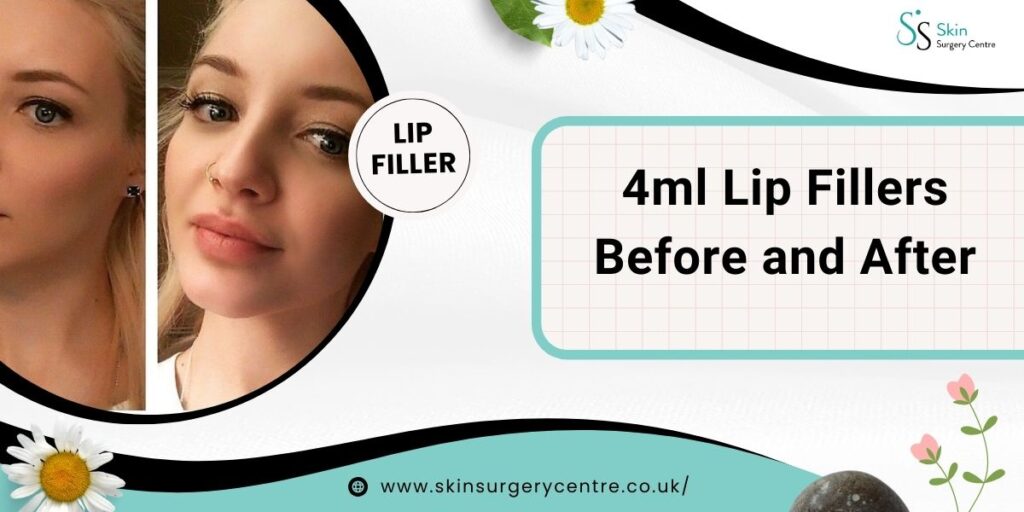
Have you considered fillers for lip enhancement but come across the term 4ml lip filler before and after results? Lip...
Are you considering fillers and questioning whether 3ml is the right volumetric choice for you? Be it your first encounter...
Everyone desires fuller and more appealing lips these days, and getting lip fillers is one of the most popular cosmetic...
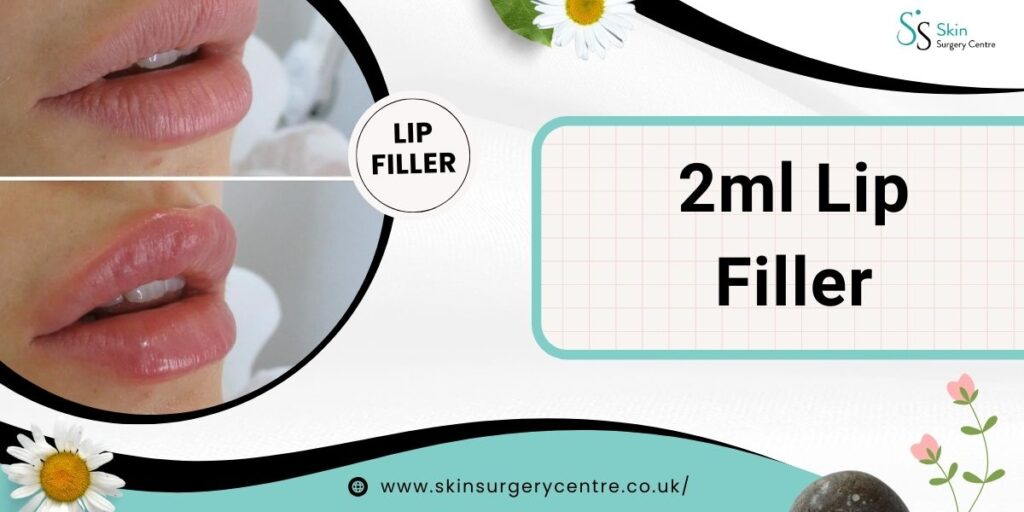
With increasing demand in the beauty industry, lip fillers are widely used to enhance volume, symmetry, and definition. However, one...