


What You Should Know: The Reality About 5 ml Lip Filler
It does not matter whether you are new to cosmetic treatments or have explored aesthetic procedures before — questions around...
Getting lip fillers may sound like a good plan to enhance your beauty, but do you know its merits and demerits? Whether you’re a beauty enthusiast or a novice looking to spice things up, understanding how lip augmentation functions will surely do wonders for you.
This guide focuses specifically on the stages of lip fillers — from immediate swelling to final results — so you know exactly what to expect before, during, and after treatment.
Swelling after lip fillers is common and expected. From a clinical perspective, it is a normal inflammatory response rather than a complication.
The main causes include:
Understanding why swelling occurs makes the recovery process far less worrying for first-time patients.
The stages of lip fillers follow a predictable healing pattern, although timing can vary slightly depending on metabolism, filler type, and injection technique.
You may experience:
This is the body’s first inflammatory response.
💡 Pro Tip: Use a cold compress gently — avoid pressure or massage unless advised.
Clinically, day two is when swelling typically peaks.
Lips may feel tight, heavy, or asymmetrical.
This is normal and temporary.
💡 Expert Tip: Reduce salt intake and stay well hydrated to support lymphatic drainage.
This stage often causes unnecessary worry, but it does not reflect final results.
💡 Expert Tip: Sleep with your head slightly elevated to reduce morning swelling.
Most patients notice:
💡 Pro Tip: Avoid exaggerated mouth movements or facial massage during this phase.
By two weeks:
This is when practitioners usually assess results and discuss refinements, if needed.
Selecting the right filler supports smoother healing across the stages of lip fillers.
All are hyaluronic acid-based and biocompatible.
Longevity depends on:
Typical ranges:
Yes — when performed by a trained professional.
Proper aftercare directly affects healing quality.
Always contact your practitioner if pain, redness, or swelling worsens instead of improving.
From a UK clinical perspective, NHS and professional bodies advise that dermal fillers should only be performed by appropriately trained practitioners, with clear aftercare guidance and follow-up.
Authoritative references:
A: Most swelling resolves within 7 days, with full healing and final results visible by 14 days.
A: Yes. Temporary asymmetry is common in the first week and usually resolves without intervention.
A: If swelling worsens after day 3, becomes painful, or is associated with skin colour changes, seek professional review.
A: Good hydration, cold compresses, and avoiding pressure can significantly improve recovery comfort.
Understanding the stages of lip fillers helps set realistic expectations and reduces unnecessary anxiety. Swelling, firmness, and unevenness are part of a normal healing process — not signs of failure.
With the right practitioner, proper aftercare, and patience, lip fillers can deliver refined, natural-looking results that improve confidence without disrupting your routine.
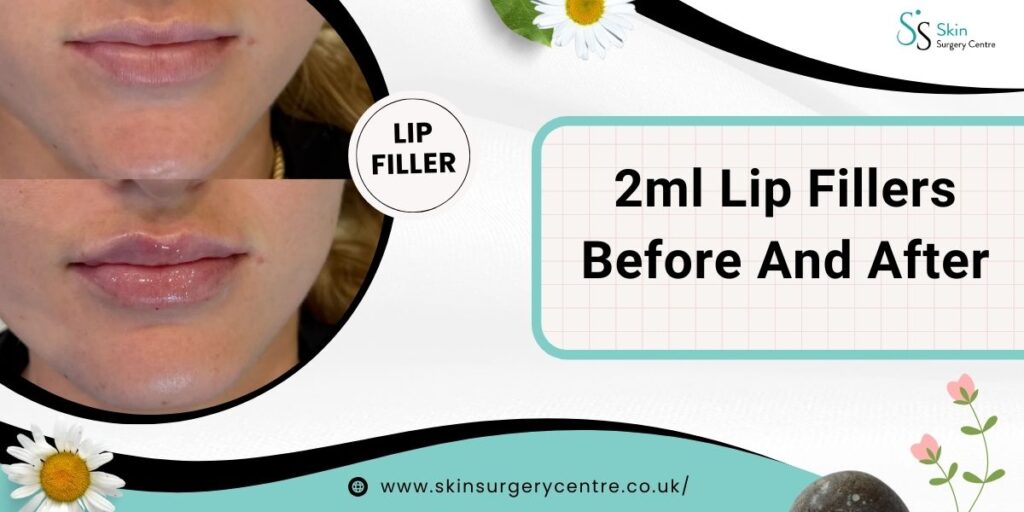

It does not matter whether you are new to cosmetic treatments or have explored aesthetic procedures before — questions around...
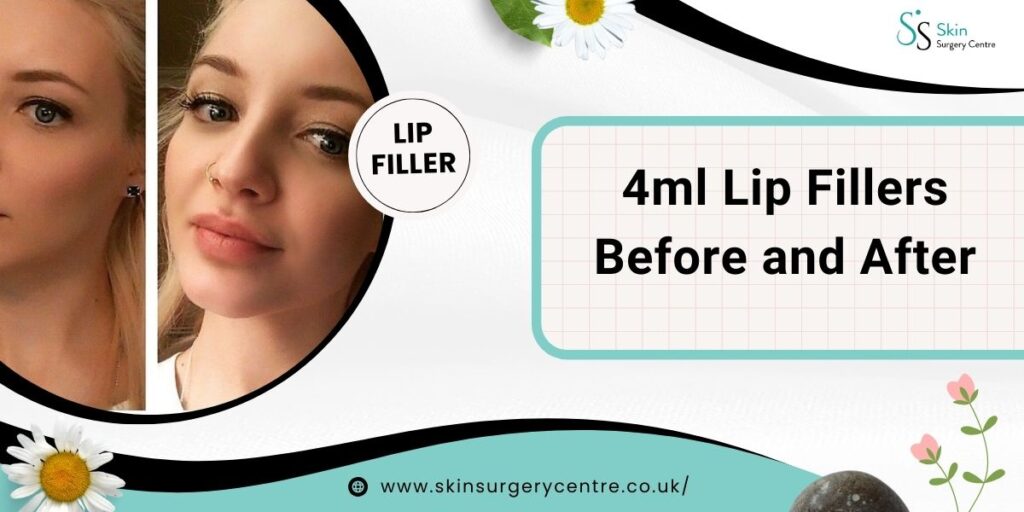
Have you considered fillers for lip enhancement but come across the term 4ml lip filler before and after results? Lip...
Are you considering fillers and questioning whether 3ml is the right volumetric choice for you? Be it your first encounter...
Everyone desires fuller and more appealing lips these days, and getting lip fillers is one of the most popular cosmetic...
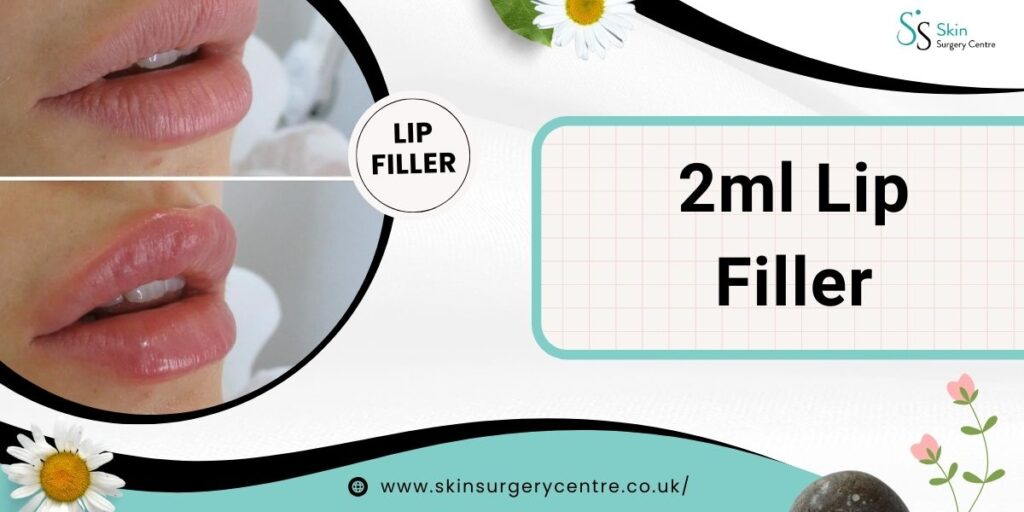
With increasing demand in the beauty industry, lip fillers are widely used to enhance volume, symmetry, and definition. However, one...