



What You Should Know: The Reality About 5 ml Lip Filler
It does not matter whether you are new to cosmetic treatments or have explored aesthetic procedures before — questions around...
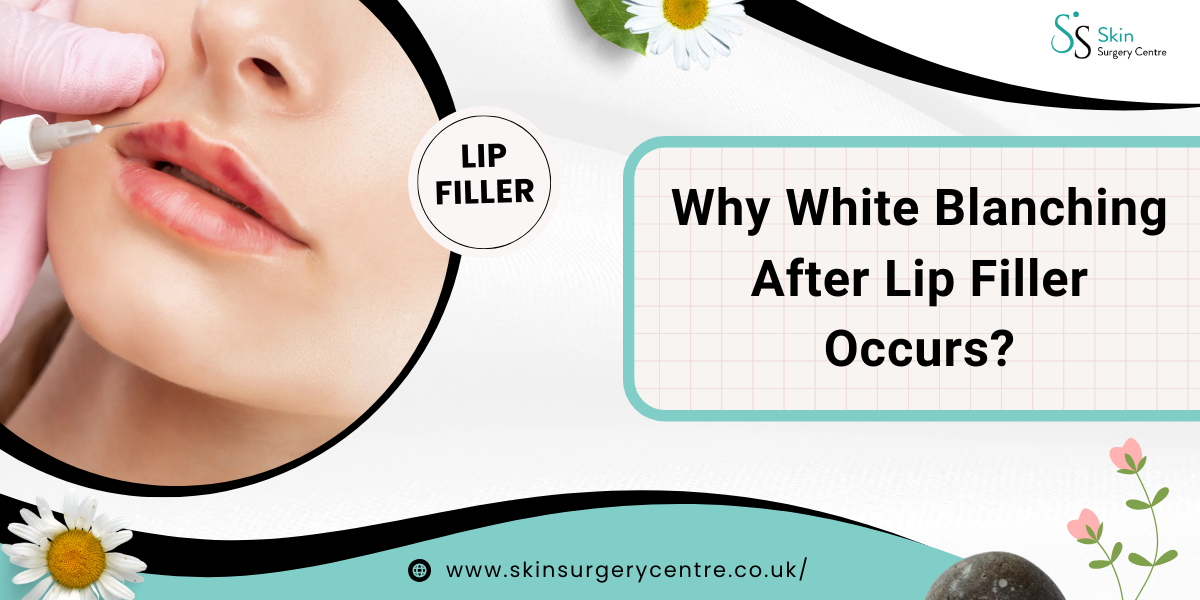
Lip fillers are widely used to enhance lip shape, volume, and symmetry. While generally safe when performed correctly, complications can occur. One of the most concerning — yet often misunderstood — complications is white blanching after lip filler.
White blanching is not normal swelling. It is a warning sign of reduced blood flow and must always be taken seriously.
This guide explains what white blanching is, why it happens, how it’s treated, and how it can be prevented, helping patients make informed and safer decisions.
White blanching refers to a sudden pale or white appearance of the skin following lip filler injections. It occurs when blood supply to the skin is compromised, meaning oxygen-rich blood is not reaching the tissue adequately.
From a clinical perspective, this is considered a vascular warning sign, not a cosmetic side effect.
This is the primary and most dangerous cause of white blanching.
Vascular occlusion happens when filler material:
Clinical signs include:
⚠️ If untreated, vascular occlusion can progress to tissue necrosis (skin death).
Injecting too much filler too quickly can increase pressure within the tissue, compressing nearby blood vessels.
This reduces blood perfusion temporarily and may cause:
This may resolve with prompt management, but must still be assessed.
Anxiety, pain, or adrenaline release during treatment can trigger temporary blood vessel constriction (vasospasm).
This form of blanching:
However, it must be differentiated from vascular occlusion by an experienced practitioner.
White blanching is more likely when:
This highlights why injector experience is critical.
Seek urgent medical help if white blanching is accompanied by:
These signs suggest vascular compromise, not routine swelling.
White blanching is time-sensitive. Early treatment significantly reduces the risk of permanent damage.
Prompt intervention can restore circulation and prevent necrosis.
Choose an injector who:
Follow-ups allow early detection of:
Early review = safer outcomes.
This is why white blanching is never something to “wait and see.”
From a clinical standpoint, white blanching after lip filler is preventable with:
Patients should never feel hesitant to contact their practitioner if something feels wrong.
A: No. White blanching indicates reduced blood flow and requires immediate professional assessment.
A: Mild vasospasm may resolve, but vascular occlusion will not. Any blanching must be assessed urgently.
A: Ideally within hours. Early treatment significantly reduces the risk of tissue damage.
A: No, but untreated vascular compromise increases the risk substantially.
If you’re considering lip fillers, choosing the right practitioner is the most important decision you’ll make. Safety, anatomy knowledge, and experience matter more than trends or pricing.
If you notice white blanching after lip filler, contact your practitioner immediately — early action protects both health and aesthetic outcomes.

It does not matter whether you are new to cosmetic treatments or have explored aesthetic procedures before — questions around...
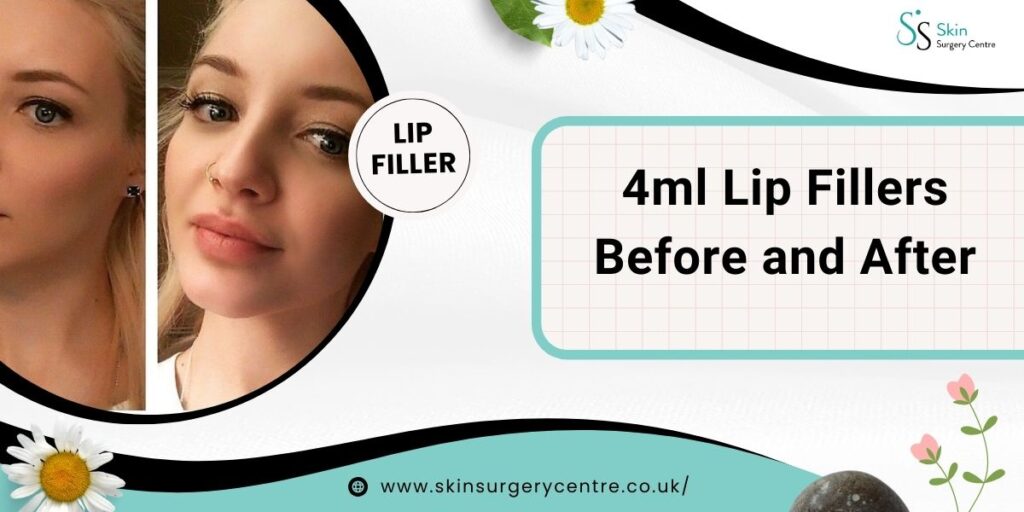
Have you considered fillers for lip enhancement but come across the term 4ml lip filler before and after results? Lip...
Are you considering fillers and questioning whether 3ml is the right volumetric choice for you? Be it your first encounter...
Everyone desires fuller and more appealing lips these days, and getting lip fillers is one of the most popular cosmetic...
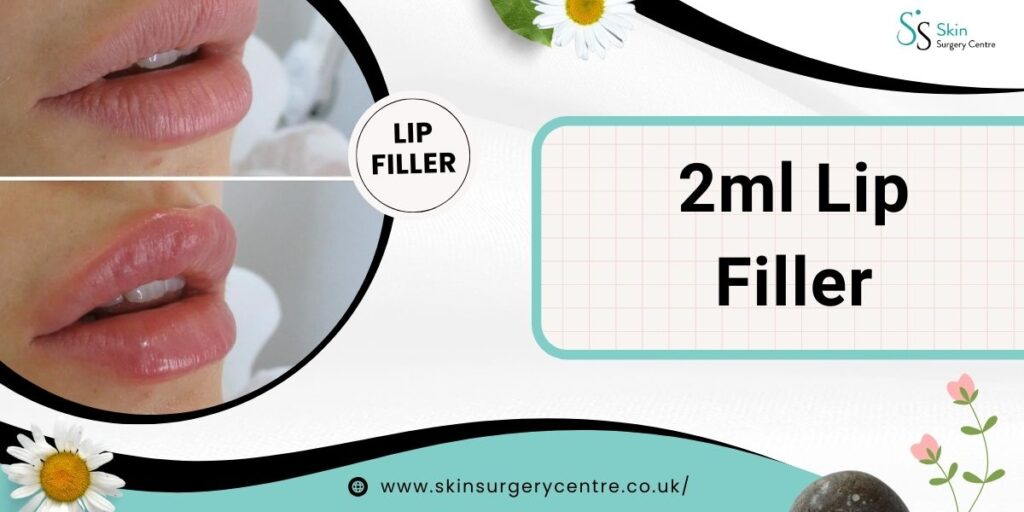
With increasing demand in the beauty industry, lip fillers are widely used to enhance volume, symmetry, and definition. However, one...