

What You Should Know: The Reality About 5 ml Lip Filler
It does not matter whether you are new to cosmetic treatments or have explored aesthetic procedures before — questions around...
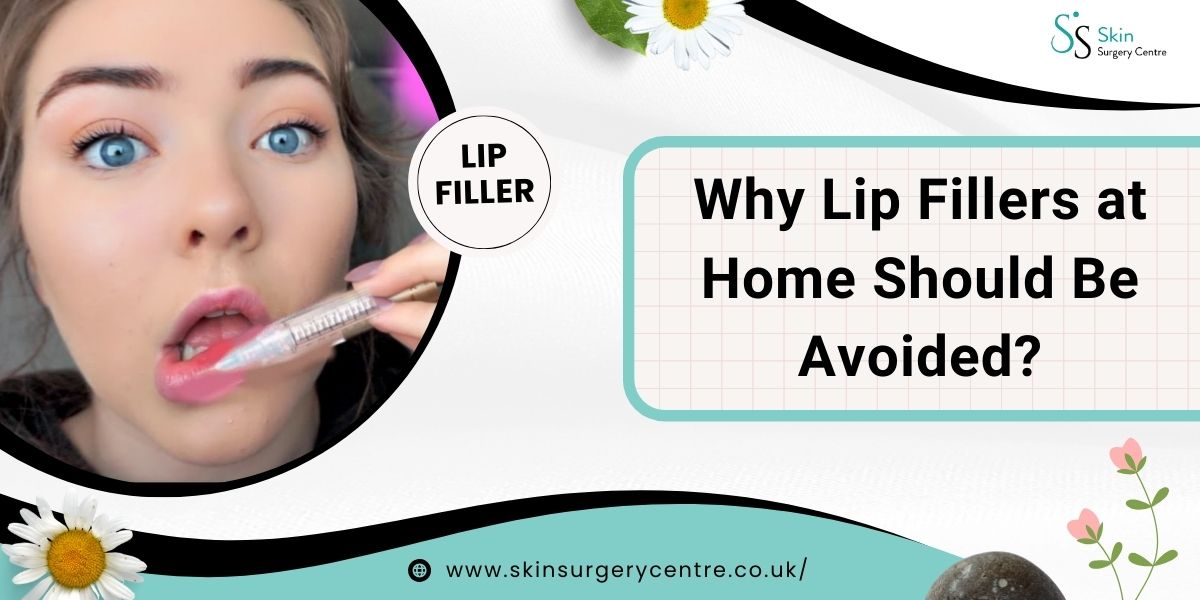
Lip fillers at home are increasingly marketed as a quick, low-cost alternative to professional cosmetic treatments, but they carry significant medical and aesthetic risks that many users are unaware of.
As lip fillers are gaining in popularity due to the increased accessibility of beauty treatments, home based surgical lip fillers are also on the rise.
Tools such as the Hyaluron Pen are inexpensive and easy to use, which adds to their appeal. They can, however, lead to serious complications due to their usage.
This guide seeks to explain the risks associated with at-home lip fillers, explain why a professional approach is key, and outline other safer methods to accomplish the same goals.
At-home lip fillers can be an appealing proposition, especially when the pros outweigh the cons.
However, there is much more at stake than just finances; sleepless nights worrying about health ramifications are most likely inevitable.
Blemishes and skin scars can have an irreparable impact on a person’s self-esteem, with lips being one of the most prevalent body parts to be highlighted.
Unhygienic conditions set the stage for contracting the Hyaluron Pen which provides fillers without the inactivity of a surgeon, increasing the likelihood of forced scarring.
Overuse of certain fillers renders the skin non-sterile in addition to making it prone to parasitic and fungal infections. The lack of such techniques renders it unorganisable.
This might result in infections ranging from mild to moderate irritation, to severe abscesses or even cellulitis. Even worse, infections that become systemic are a real threat to health.
Improper filler placement can limit or completely stop blood flow, which leads to tissue death (necrosis). This will surely lead to devastating destruction of the surrounding tissues as well as the lips.
Beyond the lips, necrosis can affect other parts of the body, such as the eyes, which can then lead to blindness, stroke in rare cases, and severe damage.
Occlusion of blood vessels is the most critical complication where blood contains filler.
Blocked blood vessels can impede blood flow, causing severe tissue death and agony, leaving behind haunting marks and scars of deformation.
This risk increases dramatically when filler is applied without a medical professional familiar with facial vascular anatomy.
Even when considering non-life threatening circumstances, the gradient bump prosthesis fillers are symmetrically uneven protruding bumps.
These unapproved fillers are applied by untrained personnel resulting in addressable disappointment.
Aside from the aforementioned errors, the homemade fillers within at-home kits are made from low-quality materials, leading to greater danger.
Needless to say, the Hyaluron Pen is an example of a device unapproved by the FDA or any other certified authority.
In the UK, dermal fillers and injection devices are regulated under MHRA medical device standards, and non-medical filler delivery systems are strongly discouraged due to safety concerns.
The risk of adverse effects substantially increases when these devices are capable of injecting fillers into the skin without any particular control.
A large number of DIY kits take advantage of non-medical template fillers, which are believed to be contaminated or impure.
The deviant use of substances poses a considerable threat to one’s health and exacerbates the risk of infections and unwanted reactions.
A licensed medical expert understands the face’s delicate system of arteries, veins, and soft tissue, which enables them to use sophisticated technology involving the face’s circulatory system.
Such understanding makes it possible for them to control such structures easily, without the possibility of vascular occlusion or damage to tissue.
The fillers and equipment will not be infected or microcontrolled. Specified areas where microns or much smaller forms of life do not exist constitute the medical environment and all professionals use them.
Restylane® or Juvederm® are used solely by practitioners because these products are approved.
These materials are well known to contain elements that are safe and effective because they undergo scrutiny and go through a series of checks before use on patients.
The fillers are specifically manufactured for cosmetic procedures, and thoroughly sifted based on quality.
In the UK, licensed practitioners use MHRA-regulated dermal fillers that meet medical device safety requirements.
A degree holder who possesses rich experience will work on your treatment based on how symmetric and proportionate your lips are in their natural state, achieving refined and desirable outcomes rather than exaggerated and unsightly results that are mostly the goal of improper implementations.
If you intend to achieve majestically full lips, safer and plumper lips, and are willing to follow practices that help maintain safety, below are the suggested guidelines that strive to help.
Always ensure that you are working with qualified and experienced professionals in the field of beauty therapy. Check their credentials to confirm they are licensed to use injectables.
Insist on using fillers such as Juvederm®, Restylane® and Perlane®. These fillers contain synthetic hyaluronic acid, which is safe for cosmetic use.
Do not purchase kits containing unlicensed or black market cosmetic materials. These kits usually contain harsh, unapproved substances that can cause undesirable results.
You should never attempt to inject fillers on your own; however, understanding the anatomy of the lip, injection protocols, and risk factors can make the selection of the specialist easier.
At-home lip fillers can seem like an inexpensive way to attain an aesthetically pleasing look, but the risks and complications that can arise from them can be severe. Rather than putting your health at risk, it is wiser to seek treatment from a licensed professional.
Doing so will guarantee not only your safety, but also remarkably jaw-dropping results which will complement your natural beauty.
If you wish to undergo lip enhancement procedures, explore the local practitioners and book a preliminary meeting for consultation.
The health of your lips, as well as their appearance, is well worth the time and money to keep them in shape.
A: While some devices are sold online, UK regulators strongly discourage at-home filler use due to safety risks and lack of medical oversight.
A: Yes. Complications such as vascular occlusion, necrosis, scarring, and infection can result in permanent tissue damage.
A: UK medical bodies warn that needle-free filler devices still pose serious risks when used without professional training.
A: Treatment by a licensed medical practitioner using regulated dermal fillers in a clinical setting.
Lip fillers at home pose serious health risks due to lack of medical training, unregulated devices, and poor sterility. UK regulators and medical bodies strongly advise against DIY lip enhancement, citing complications such as infection, tissue death, and permanent scarring. Professional treatment remains the safest and most reliable option.
Home-based lip fillers may appear convenient, but they expose users to unnecessary medical and aesthetic risks.
Choosing professional, regulated treatment protects not only your appearance but also your long-term health and safety.
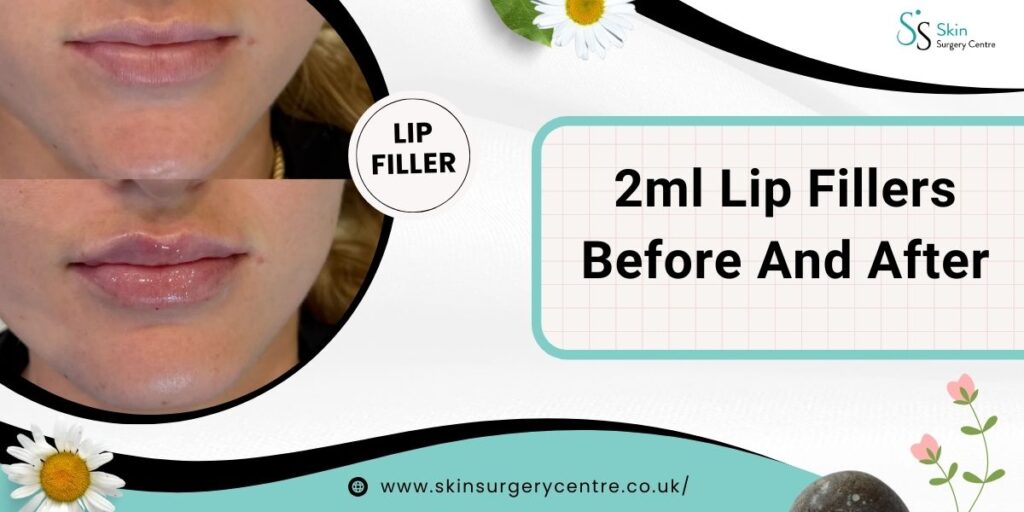

It does not matter whether you are new to cosmetic treatments or have explored aesthetic procedures before — questions around...
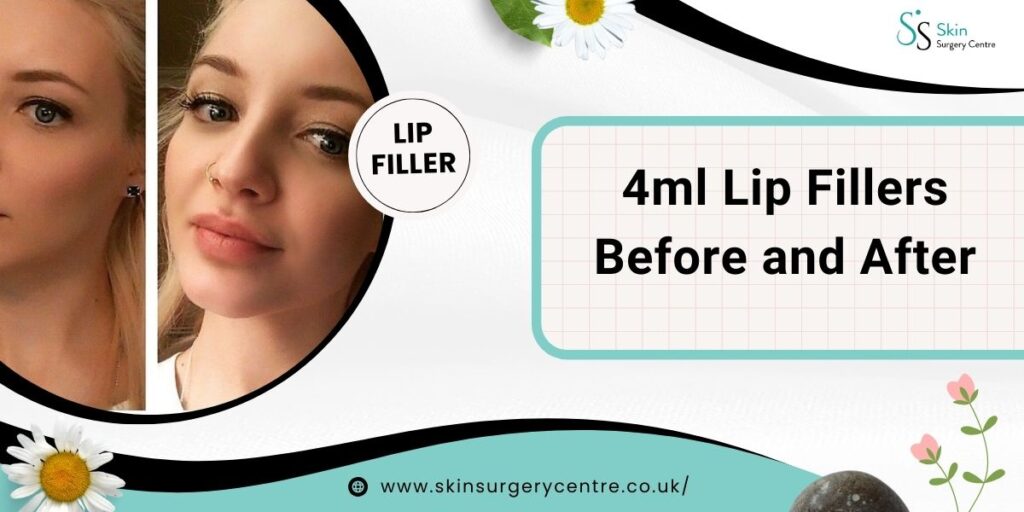
Have you considered fillers for lip enhancement but come across the term 4ml lip filler before and after results? Lip...
Are you considering fillers and questioning whether 3ml is the right volumetric choice for you? Be it your first encounter...
Everyone desires fuller and more appealing lips these days, and getting lip fillers is one of the most popular cosmetic...
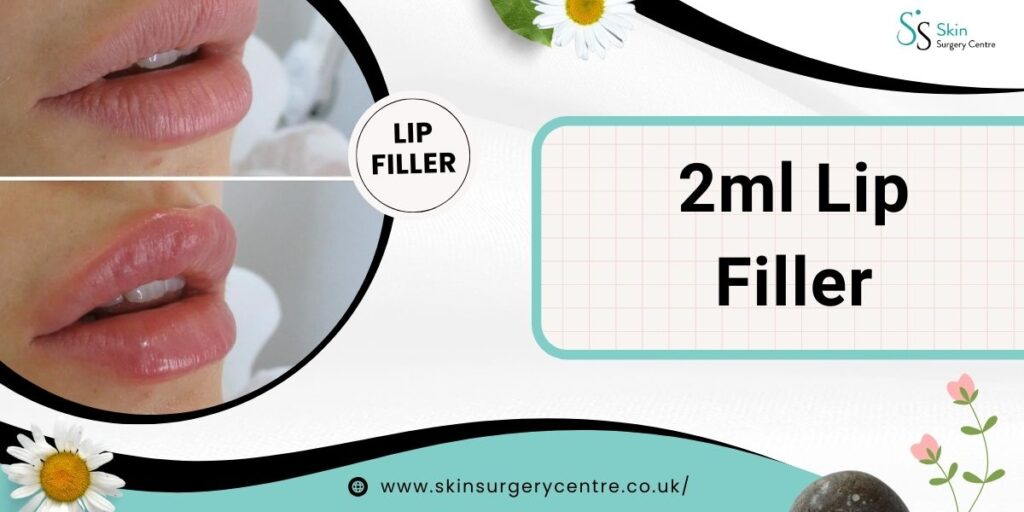
With increasing demand in the beauty industry, lip fillers are widely used to enhance volume, symmetry, and definition. However, one...