

What You Should Know: The Reality About 5 ml Lip Filler
It does not matter whether you are new to cosmetic treatments or have explored aesthetic procedures before — questions around...
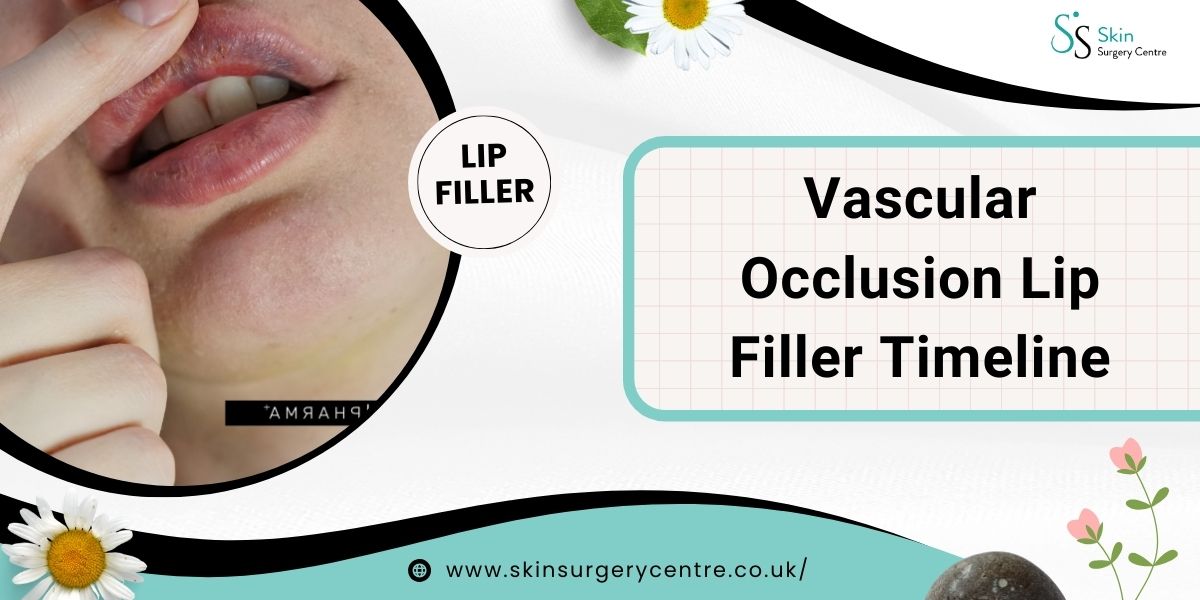
Most people think of cosmetic procedures like lip fillers as a means to achieve fuller, beautiful lips accompanied with enhanced self-esteem. Like any cosmetic procedure, there are risks and with lip fillers the more serious one is vascular occlusion.
Whether you are someone new to cosmetic treatments or just an avid beauty lover, understanding this condition is extremely crucial when it comes to getting safe and effective results.
This guide focuses specifically on the vascular occlusion lip filler timeline, including early warning signs, progression, and professional management.
In medical terms, vascular occlusion is defined as a blockage in a blood vessel, artery or vein. This can arise due to filler material being accidentally injected into a vessel or from external pressure being applied to the vessel after injection. Some of the most common causes include:
While vascular occlusion is uncommon, it is considered a medical emergency and must be addressed immediately to avoid permanent damage.
Understanding the vascular occlusion lip filler timeline is essential for early detection and effective treatment.
Early recognition during this timeline dramatically improves outcomes.
Key warning signs to monitor include:
Bruising after lip fillers is common and typically resolves on its own.
When in doubt, immediate professional assessment is essential.
Early intervention is critical. Professional management may include:
All filler administration must cease at the first suspicion of occlusion.
May be used by trained professionals to encourage vasodilation.
If hyaluronic acid fillers were used, hyaluronidase is injected to dissolve the filler and restore blood flow.
Topical nitroglycerin or oral medications may be considered strictly under medical supervision and are not self-treatments.
Immediate treatment by a trained medical professional significantly reduces the risk of necrosis.
Prevention remains the safest approach:
Lip fillers can enhance appearance safely when performed correctly. Understanding risks, recognising early symptoms, and choosing qualified professionals significantly improves patient safety.
Education empowers patients to make informed decisions while prioritising health over aesthetics.
Vascular occlusion after lip fillers is a rare but serious complication that can begin within hours. Early signs include severe pain, blanching, and colour changes. Immediate professional treatment is essential to prevent tissue damage and scarring.
A: Symptoms may begin immediately or within the first 24 hours following injection.
A: Yes. It requires urgent professional medical treatment.
A: Early intervention, especially with hyaluronidase for HA fillers, significantly improves outcomes.
A: No. Bruising resolves naturally, while vascular occlusion involves pain, blanching, and compromised blood flow.
Modern aesthetic medicine allows lip fillers to be performed safely, but vascular occlusion remains a serious risk that must never be ignored.
Understanding the vascular occlusion lip filler timeline, recognising warning signs, and seeking immediate professional care are essential for preventing long-term damage.
If you are considering lip fillers, choose a practitioner who prioritises medical safety, advanced training, and patient education. In cosmetic procedures, safety must always come before aesthetics.
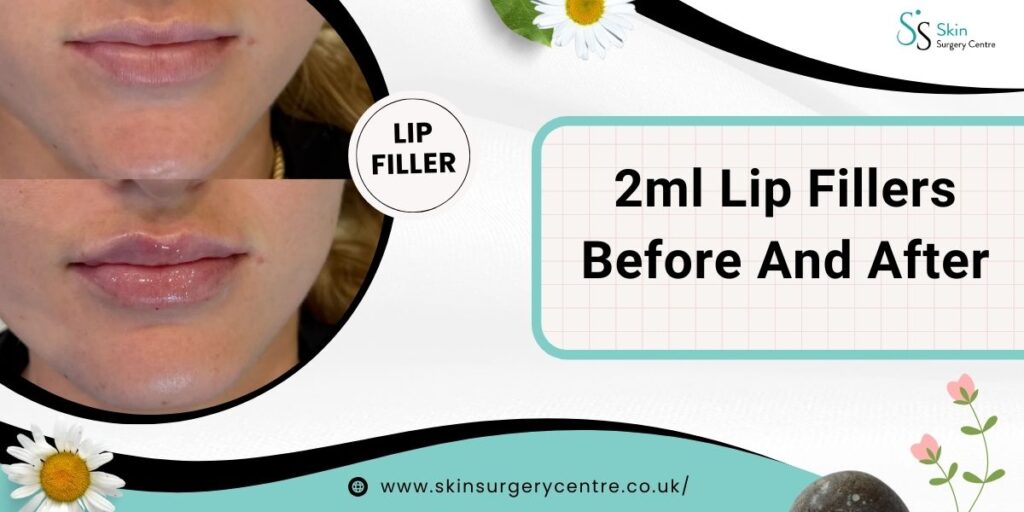

It does not matter whether you are new to cosmetic treatments or have explored aesthetic procedures before — questions around...
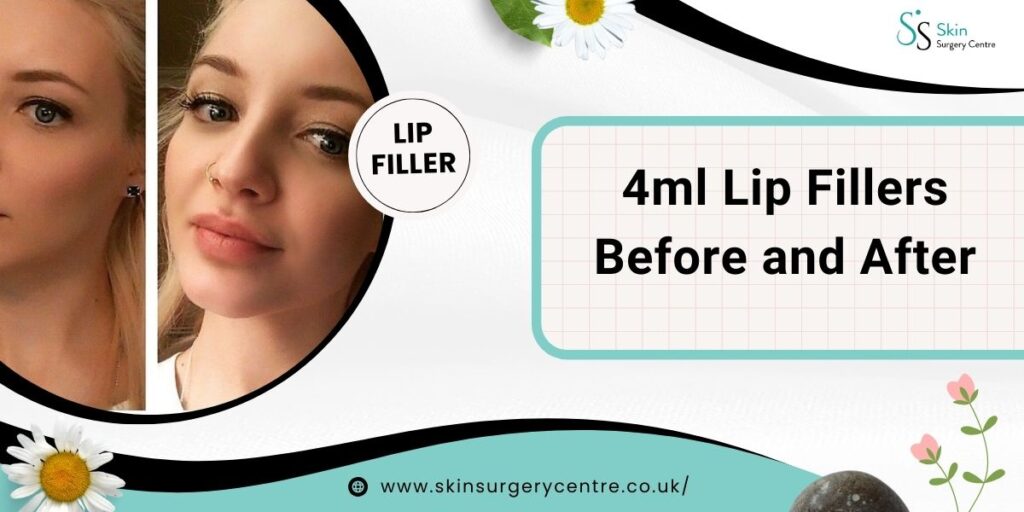
Have you considered fillers for lip enhancement but come across the term 4ml lip filler before and after results? Lip...
Are you considering fillers and questioning whether 3ml is the right volumetric choice for you? Be it your first encounter...
Everyone desires fuller and more appealing lips these days, and getting lip fillers is one of the most popular cosmetic...
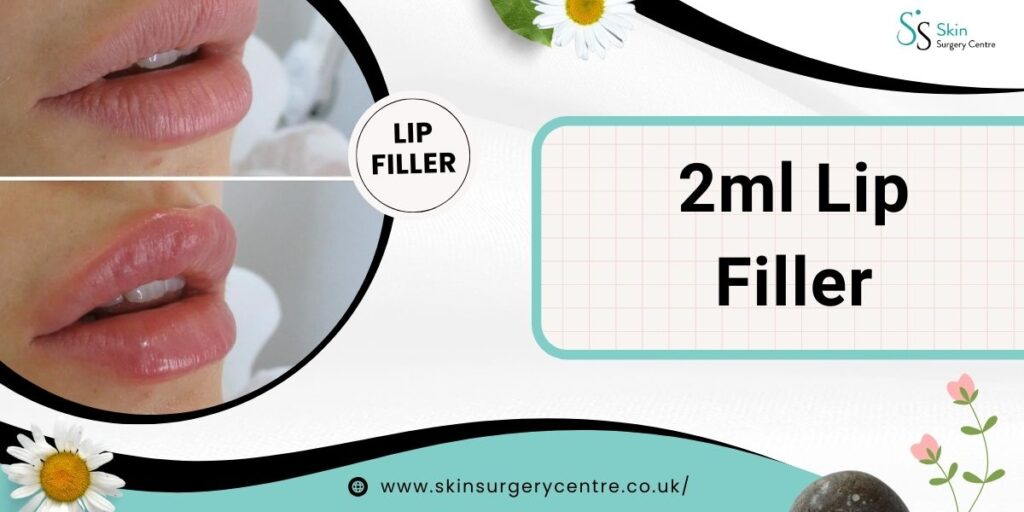
With increasing demand in the beauty industry, lip fillers are widely used to enhance volume, symmetry, and definition. However, one...