

What You Should Know: The Reality About 5 ml Lip Filler
It does not matter whether you are new to cosmetic treatments or have explored aesthetic procedures before — questions around...
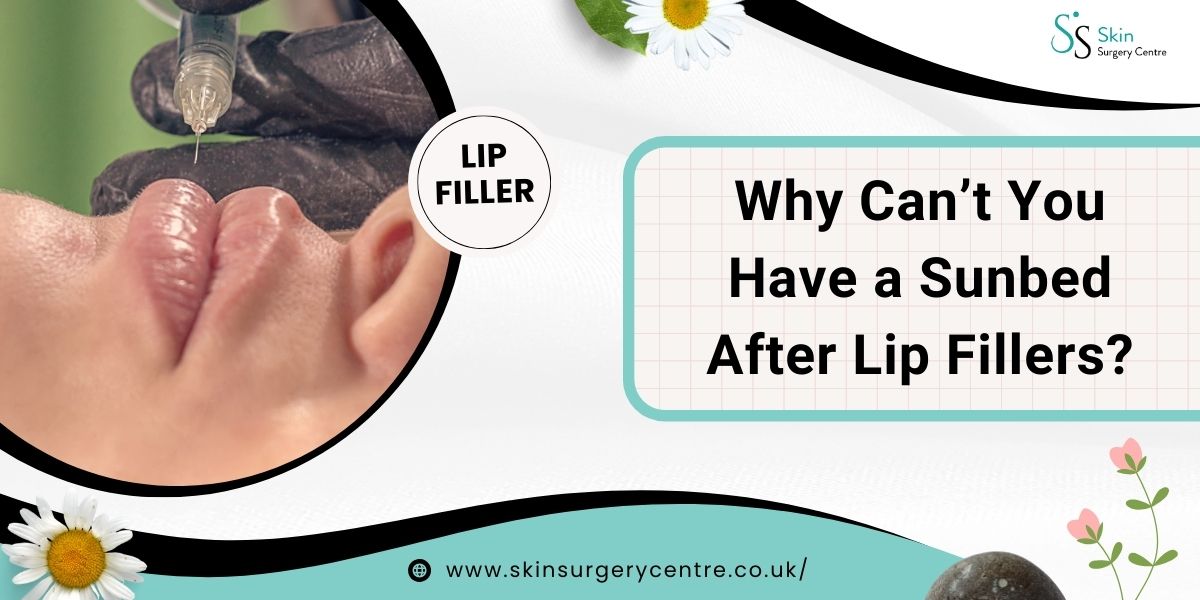
Have you just completed the lip filler procedure and are thinking of jumping on a sunbed?
If you’re wondering why you can’t have a sunbed after lip fillers, the answer comes down to healing, inflammation, and protecting your results. Seeking any form of intense heat or UV exposure, including sunbeds, immediately after getting lip fillers is not considered safe and can increase the risk of complications.
To prevent unwanted side effects and achieve the best possible outcome, there are critical aftercare instructions that must be followed.
This guide explains why you can’t use a sunbed after lip fillers, how heat affects fillers, and what steps you should take to protect your lips and prolong your results.
Lip fillers made with Juvederm or Restylane are hyaluronic acid–based treatments that require time to integrate into the tissue.
One of the most important aftercare rules is avoiding sunbeds, saunas, steam rooms, and other intense heat sources for at least two weeks.
If you are asking why you can’t have a sunbed after lip fillers, it is because the lips are still healing, and heat can worsen inflammation, swelling, and bruising during this vulnerable stage.
Sunbeds and hot environments increase body temperature and blood circulation. While this may feel relaxing, it can significantly aggravate post-treatment swelling and bruising at the injection sites.
During the first two weeks, lip fillers are settling into position. Avoiding heat allows the filler to stabilise naturally and reduces the risk of prolonged inflammation or uneven results.
Heat does not instantly destroy hyaluronic acid fillers, but early exposure can interfere with healing and negatively affect final outcomes.
Most practitioners advise avoiding sunbeds and excessive heat for 14 days after lip fillers. This timeframe allows:
Respecting this two-week period is one of the main reasons why you can’t have a sunbed after lip fillers if you want optimal results.
Heat causes blood vessels to dilate, increasing blood flow to the lips. This can:
Excessive swelling can distort the appearance of the lips, making it harder to assess the final outcome of your filler treatment.
Sunbeds heat the skin intensely, which can irritate already inflamed tissue. Post-filler skin is more sensitive, and additional stress from UV and heat can increase redness, discomfort, and irritation.
Following professional aftercare guidance helps reduce inflammation and ensures a smoother recovery.
This is a common concern when people ask why can’t you have a sunbed after lip fillers.
While sunbeds do not directly dissolve fillers, prolonged UV exposure contributes to skin ageing, collagen breakdown, and oxidative stress.
Over time, this can reduce how long your results last and may lead to earlier touch-ups.
Hyaluronic acid is the primary ingredient in most lip fillers. It attracts moisture and provides volume.
Although UV light does not immediately break down filler, repeated exposure during healing can compromise skin quality around the lips, indirectly affecting the longevity and appearance of results.
UV exposure is a known trigger for cold sores. After lip fillers, the lips are more vulnerable, increasing the risk of herpes simplex flare-ups.
Patients with a history of cold sores should always inform their practitioner, as preventative antiviral medication may be recommended.
Sun exposure on bruised or healing skin can cause dark patches to develop around the lips. These may persist long after healing is complete.
UV exposure can make bruises last longer and lead to staining around the lips and surrounding skin.
Once healing is complete, sun exposure is generally safe when precautions are followed:
A: Sunbeds increase heat and UV exposure, which can worsen swelling, bruising, inflammation, and interfere with proper healing.
A: At least 14 days, or longer if advised by your practitioner.
A: Not directly, but UV exposure accelerates skin ageing and may shorten how long results last.
Newly treated lips need time to heal without additional stress from heat or UV exposure. Avoiding sunbeds for at least two weeks significantly reduces swelling, bruising, pigmentation risks, and protects the longevity of your filler results.
For personalised aftercare advice, always follow your practitioner’s guidance and prioritise healing over short-term tanning.

It does not matter whether you are new to cosmetic treatments or have explored aesthetic procedures before — questions around...
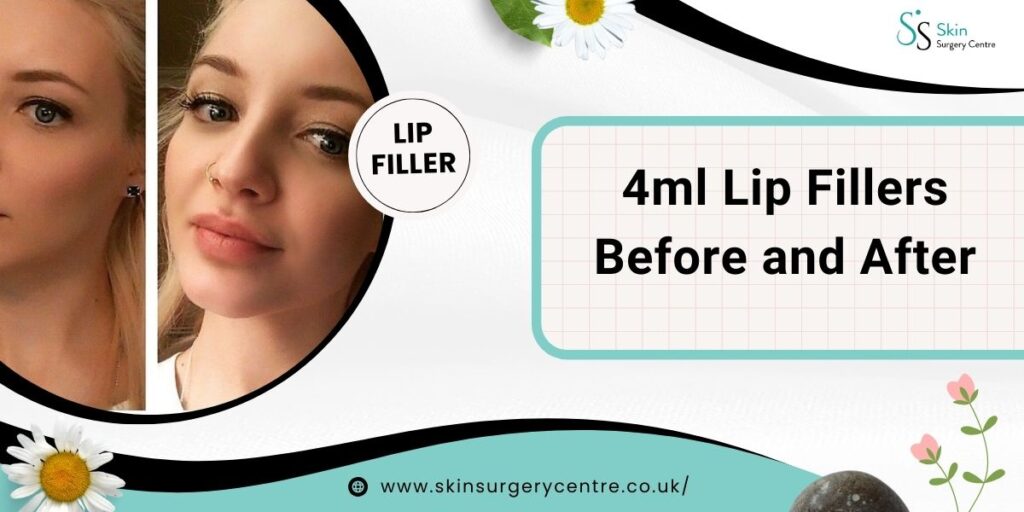
Have you considered fillers for lip enhancement but come across the term 4ml lip filler before and after results? Lip...
Are you considering fillers and questioning whether 3ml is the right volumetric choice for you? Be it your first encounter...
Everyone desires fuller and more appealing lips these days, and getting lip fillers is one of the most popular cosmetic...
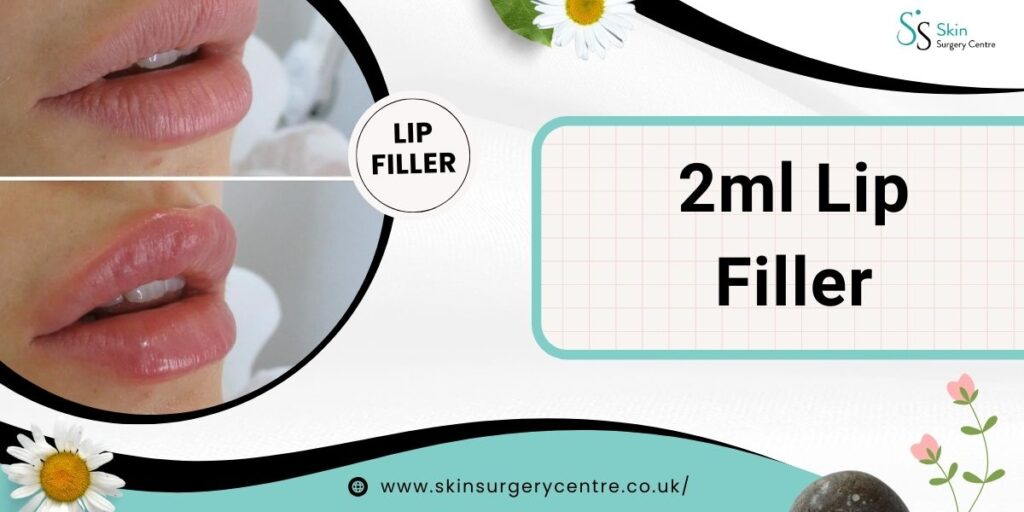
With increasing demand in the beauty industry, lip fillers are widely used to enhance volume, symmetry, and definition. However, one...