



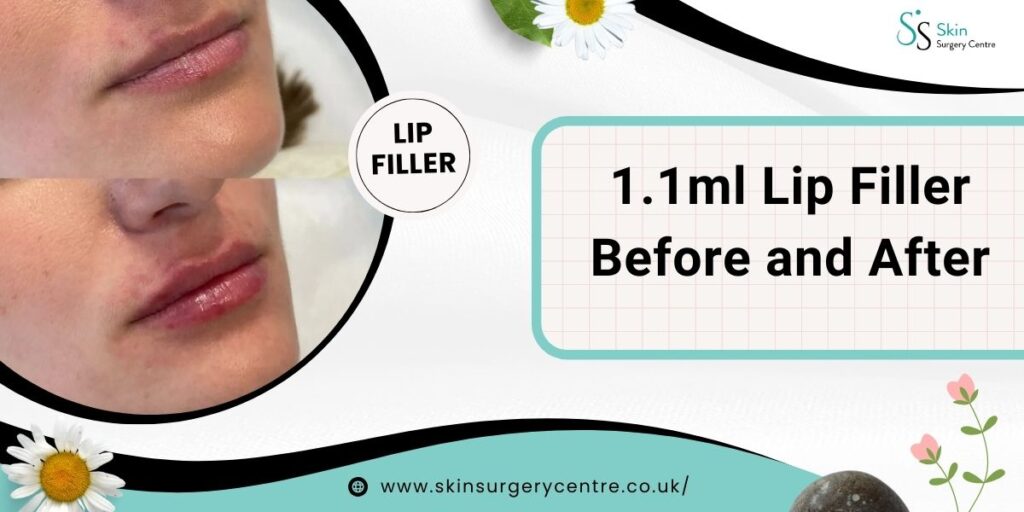
1.1 ml Lip Filler Before and After: What Results To Observe
Lip fillers have become one of the most sought-after non-surgical cosmetic enhancements due to their efficiency, customisability, and minimal downtime....
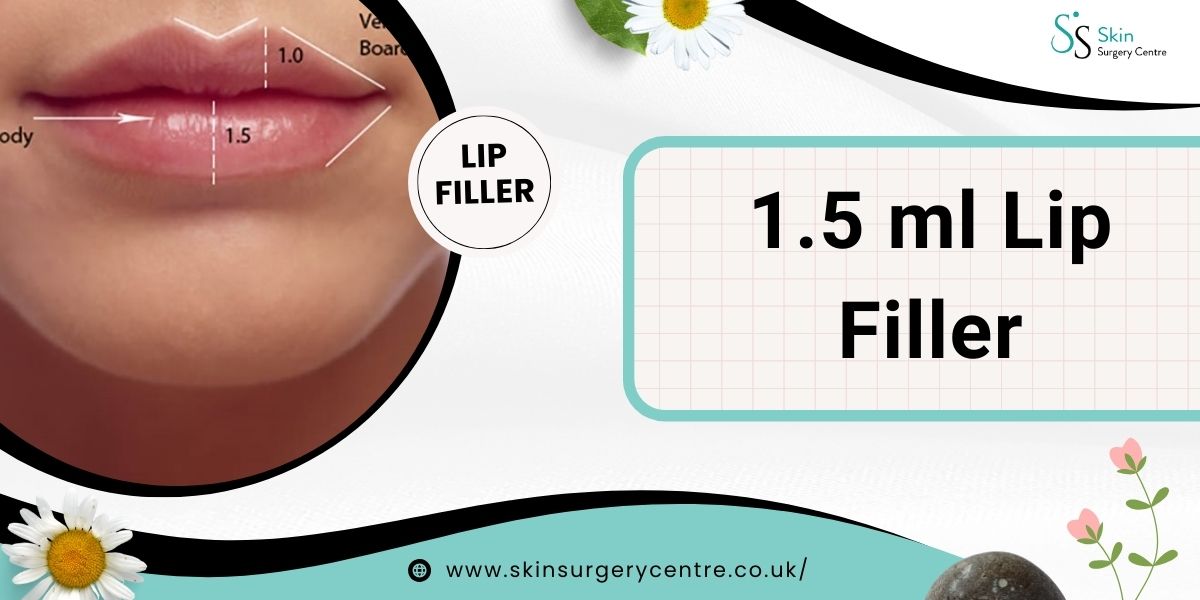
Lip fillers have taken the beauty industry by storm. They offer women and men alike a convenient and non-invasive way to enhance lip volume, definition, and symmetry.
While most discussions focus on 0.5 ml and 1 ml lip fillers, some individuals may wonder whether 1.5 ml of lip filler is appropriate for them.
How does this volume differ in terms of results, safety, longevity, and customisation?
If you are considering lip enhancement and are curious about this amount, this guide provides the essential information you need to make an informed decision.
A 1.5 ml lip filler refers to the total amount of dermal filler placed across the lips, usually delivered either in a single session by an experienced injector or staged across multiple appointments for safety and precision.
It is important to clarify that 1.5 ml is NOT between 0.5 ml and 1 ml. Instead, it sits between 1 ml and 2 ml, and represents a more advanced volume intended for noticeable enhancement rather than subtle change.
To understand where 1.5 ml fits, it helps to compare standard volumes:
0.5 ml lip filler
This is a conservative option often chosen by first-time patients. It provides subtle hydration and slight enhancement, typically increasing volume by around 5–10%, without significantly altering lip proportions.
1 ml lip filler
This is commonly considered a full syringe and offers visible yet still natural enhancement. It improves lip contour, definition, and balance, making it suitable for patients seeking fuller lips without an exaggerated appearance.
1.5 ml lip filler
This volume creates a more pronounced change and is usually chosen by patients who already have some filler or who desire a clearly fuller, more sculpted look. Because of the increased volume, precise technique and facial balance become especially important.
Using 1.5 ml of lip filler allows for greater sculpting potential. The additional volume makes it easier to refine lip borders, enhance the cupid’s bow, and address residual asymmetry that may remain after 1 ml treatments.
Because there is more product supporting the lip structure, results may also appear to last slightly longer, often falling within the 9–12 month range, depending on metabolism, filler type, and lifestyle factors.
This volume also offers greater customisation, allowing practitioners to distribute filler strategically rather than concentrating it in one area, which can help achieve smoother and more balanced results when performed correctly.
With higher volume comes greater responsibility. At 1.5 ml, the risk of an overfilled or unnatural appearance increases if the treatment is not expertly planned or executed.
Costs are naturally higher, as more product is used and treatment planning is more complex. Some patients may also require follow-up appointments for refinement once swelling has settled.
For this reason, many practitioners prefer a staged approach, especially for first-time patients, gradually building up volume rather than injecting the full amount at once.
Yes — when performed by a qualified and experienced medical professional.
Most modern lip fillers are made from hyaluronic acid (HA), a substance naturally found in the body. HA fillers are widely used because they are biocompatible, adjustable, and reversible.
If results are not as expected, HA fillers can usually be dissolved using hyaluronidase, restoring the lips to their previous state. This adds an important layer of safety, particularly with higher volumes such as 1.5 ml.
That said, safety depends heavily on injector skill, correct placement, and appropriate patient selection.
Experienced practitioners typically use reputable hyaluronic acid filler brands known for consistency and safety. These may include:
Different products have varying firmness and movement, which allows practitioners to tailor the filler choice to your lip anatomy and desired outcome.
Lip fillers are never a one-size-fits-all treatment, and this is especially true at higher volumes like 1.5 ml.
During consultation, your practitioner should assess:
For many patients, a progressive treatment plan is recommended — starting with 0.5 ml or 1 ml and adding more once the lips have settled. This approach often produces the most natural-looking results.
At higher filler volumes, injector expertise becomes critical.
A skilled practitioner will prioritise facial harmony, not just lip size, and will know when to recommend less product rather than more. Choosing a provider who uses approved products, follows strict hygiene protocols, and has strong clinical experience significantly reduces risk.
Before proceeding, always review credentials, before-and-after work, and patient feedback.
A 1.5 ml lip filler may be suitable if:
You may wish to start with a smaller amount if:
Ultimately, the right choice depends on your goals, anatomy, and professional guidance.
A 1.5 ml lip filler provides a fuller, more sculpted lip appearance compared to smaller volumes, making it suitable for patients seeking noticeable enhancement. Most treatments use hyaluronic acid fillers, which are reversible and designed to integrate naturally with lip tissue. Results typically last 9–12 months, influenced by metabolism, lifestyle, and injection technique. Because higher volumes increase the risk of overfilling, many practitioners recommend a staged or personalised approach to maintain balance and achieve natural-looking results.
A: For most first-time patients, 1.5 ml is considered a higher volume. Many practitioners recommend starting with 0.5 ml or 1 ml and building gradually to reduce the risk of overfilling and allow the lips to settle naturally.
A: Results typically last between 9 and 12 months, depending on metabolism, lifestyle factors such as smoking, and the type of hyaluronic acid filler used.
A: Yes, when placed by an experienced injector using proper technique and facial balance assessment. A natural result depends more on distribution and anatomy than on volume alone.
A: If hyaluronic acid fillers are used, the treatment can usually be reversed with hyaluronidase if required, which adds an important safety margin.
A: Temporary swelling, bruising, tenderness, and mild firmness are common and usually resolve within a few days. Higher volumes may cause more noticeable swelling initially.
A: Many practitioners prefer a staged approach, especially for patients new to fillers. This allows refinement after swelling settles and reduces the risk of overcorrection.
A: Patients with previous filler experience, naturally fuller lips, or those seeking more defined volume often benefit most. Suitability should always be assessed during consultation.
Lip fillers can enhance confidence and self-expression when used thoughtfully. While 1.5 ml lip filler offers the potential for fuller, more sculpted lips, achieving natural-looking results requires careful planning, expert technique, and realistic expectations.
If you are considering lip enhancement, consult an experienced aesthetic professional who can guide you safely through the process. When done correctly, 1.5 ml can be the perfect balance between definition and refinement.

Lip fillers have become one of the most sought-after non-surgical cosmetic enhancements due to their efficiency, customisability, and minimal downtime....
Are you considering ways to achieve fuller, well-defined, and more symmetrical lips with 1.1ml lip filler? Whether this is your...
For people who are thinking about having their lips done, one of the most common questions is, “How much does...
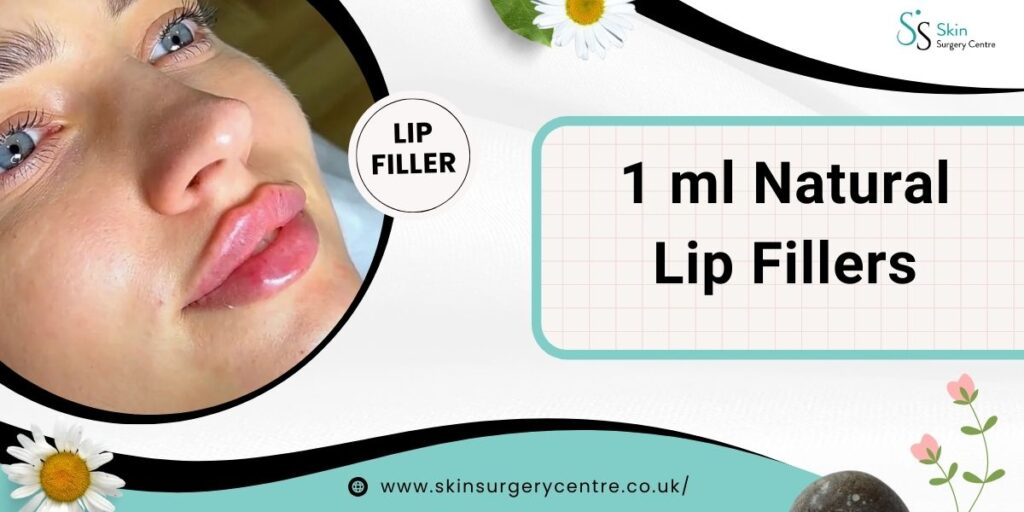
The aesthetic procedure 1ml natural lip fillers is gaining more popularity in this day and age. This particular measurement is...
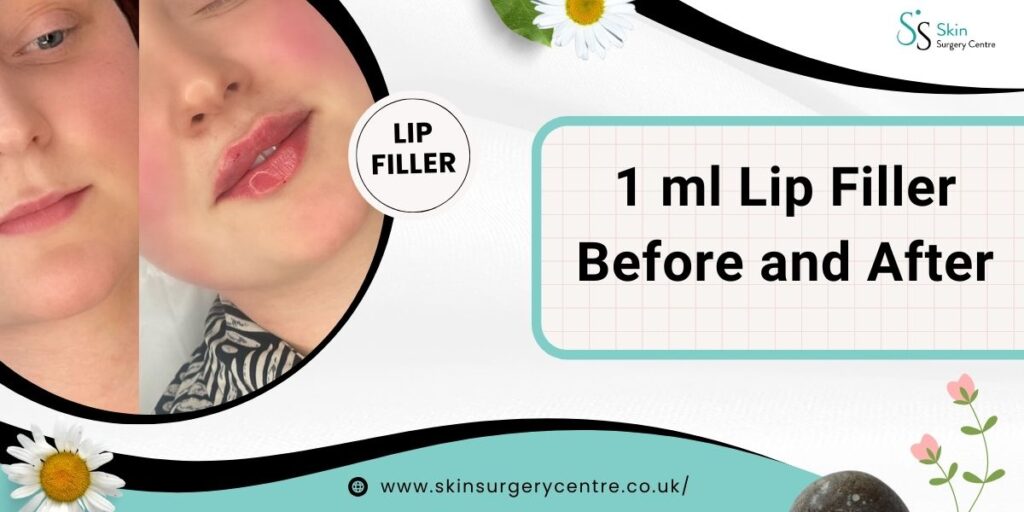
According to Beauty Tech industry trends, lip augmentation continues to grow in popularity, and for good reason. If you are...