



4ml Lip Fillers Before and After Photos – Important Information to Consider
Have you considered fillers for lip enhancement but come across the term 4ml lip filler before and after results? Lip...
It does not matter whether you are new to cosmetic treatments or have explored aesthetic procedures before — questions around lip filler volume are extremely common.
One term that often raises concern is 5 ml lip filler. What does it really mean, and is it something that is realistically achievable or recommended?
The short answer: 5 ml lip filler is not used as a single treatment and is not recommended in standard aesthetic practice.
This blog explains why 5 ml lip filler is considered excessive, what professionals actually recommend instead, and how to achieve safe, natural, and long-lasting lip enhancement without compromising facial harmony.
In modern aesthetics, one principle consistently applies: less is more, particularly when aiming for natural-looking lips.
Most professional lip filler treatments use 0.5 ml to 1 ml per session. These volumes are carefully chosen to enhance lip shape, hydration, and proportion while preserving balance with the rest of the face.
Gradual enhancement allows practitioners to:
This staged approach is considered the gold standard in aesthetic medicine.
The idea of 5 ml lip filler often comes from misunderstanding how fillers are applied in real clinical practice.
Injecting 5 ml into the lips — especially in a single sitting — would almost certainly result in an overfilled, unnatural appearance, commonly referred to as “duck lips” or “pillow lips”. This not only affects aesthetics but can permanently distort lip tissue.
Lips are a central facial feature. Excessive filler volume disrupts harmony, drawing attention away from natural facial proportions and often creating an artificial look.
Reputable aesthetic practitioners generally consider 0.5 ml to 1 ml per session to be the safe upper range. Volumes beyond this significantly increase the risk of:
Even when larger total volumes are used, they are spread across multiple sessions over many months, not delivered at once.
This volume is ideal for first-time patients or those seeking very subtle enhancement. It allows small refinements while preserving natural lip shape and movement. Recovery tends to be quicker, and the risk of complications is lower.
However, results may be modest and require maintenance.
This is the most commonly used volume for noticeable but balanced enhancement. It provides improved contour, hydration, and definition, with results typically lasting 9 to 12 months depending on metabolism and lifestyle.
The outcome heavily depends on injector skill and anatomical understanding.
Regardless of volume, safety and proportion must always be prioritised.
A skilled, medically trained practitioner understands:
Well-performed lip filler treatments should enhance your features — not dominate them.
Lip fillers are temporary, regardless of volume.
On average, hyaluronic acid fillers last 6 to 12 months, depending on:
Regular maintenance sessions are common, but increasing volume does not guarantee longer-lasting or better results.
The vast majority of modern lip fillers are made from hyaluronic acid (HA) — a substance naturally found in the body.
HA fillers are preferred because they:
This makes them significantly safer than permanent fillers.
To be clear:
In real clinical practice, achieving beautiful lips is about precision, restraint, and expertise, not chasing large numbers.
Successful lip enhancement is built on:
If you are considering lip fillers, always begin with a detailed consultation. A qualified practitioner will assess your facial structure, discuss appropriate volumes, and guide you toward results that enhance — not overpower — your appearance.
Natural, confident results are achieved through smart decisions, not extreme volume.
A 5 ml lip filler is not considered safe or appropriate in standard aesthetic practice when administered in a single session. Professional lip enhancement typically uses 0.5 ml to 1 ml per treatment, sometimes layered gradually over time. Excessive filler volumes increase the risk of overfilling, distorted lip shape, and complications. Most qualified practitioners focus on proportion, facial harmony, and staged enhancement using hyaluronic acid fillers, which provide natural, temporary, and reversible results.
A: No. Reputable practitioners do not inject 5 ml in a single session due to high aesthetic and medical risk.
A: In rare cases, cumulative volume may approach this level over multiple sessions, but only with careful planning and expert supervision.
A: Most first-time patients start with 0.5 ml, allowing subtle enhancement and assessment before adding more.
A: It is often used as a marketing exaggeration or misunderstanding, not a clinically recommended treatment volume.
A: Yes. Hyaluronic acid fillers can be dissolved using hyaluronidase when medically indicated.
When it comes to lip fillers, bigger numbers do not mean better results. A 5 ml lip filler is not a standard or recommended approach and often reflects misunderstanding rather than best practice.
Safe, attractive lip enhancement is achieved through measured volumes, professional judgement, and gradual treatment planning. By focusing on proportion rather than extremes, patients are far more likely to achieve results that look natural, age well, and preserve facial harmony.
If you are considering lip fillers, a qualified consultation is always the most important first step — not chasing a number, but choosing what truly suits your face.

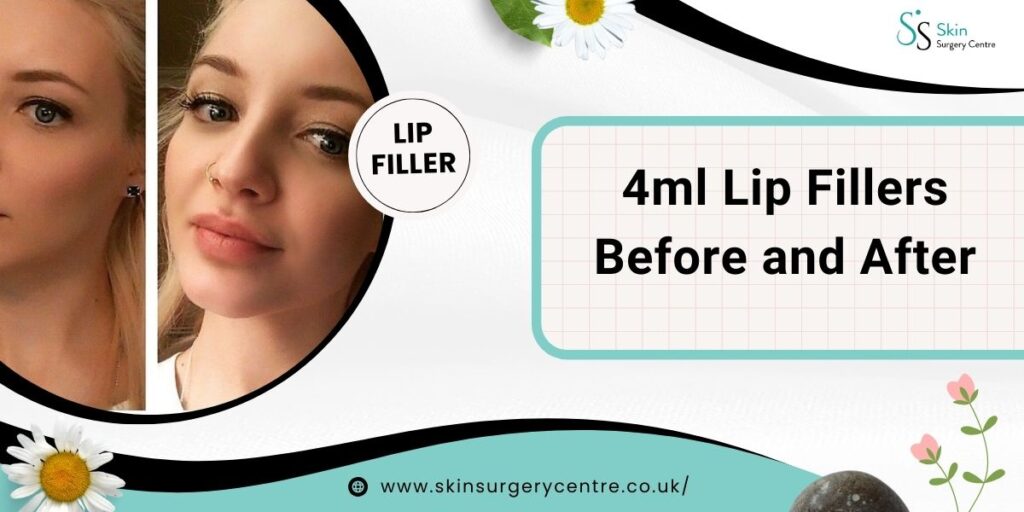
Have you considered fillers for lip enhancement but come across the term 4ml lip filler before and after results? Lip...
Are you considering fillers and questioning whether 3ml is the right volumetric choice for you? Be it your first encounter...
Everyone desires fuller and more appealing lips these days, and getting lip fillers is one of the most popular cosmetic...
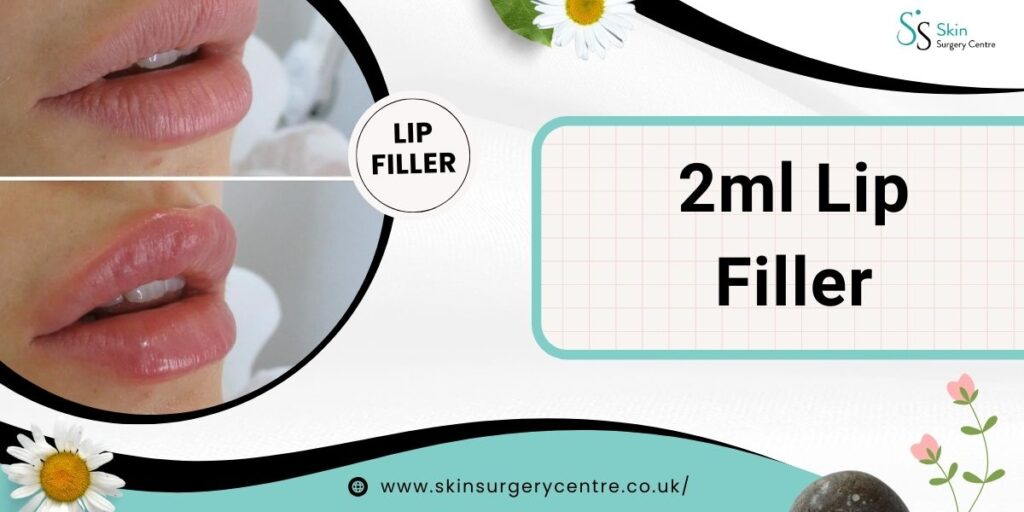
With increasing demand in the beauty industry, lip fillers are widely used to enhance volume, symmetry, and definition. However, one...
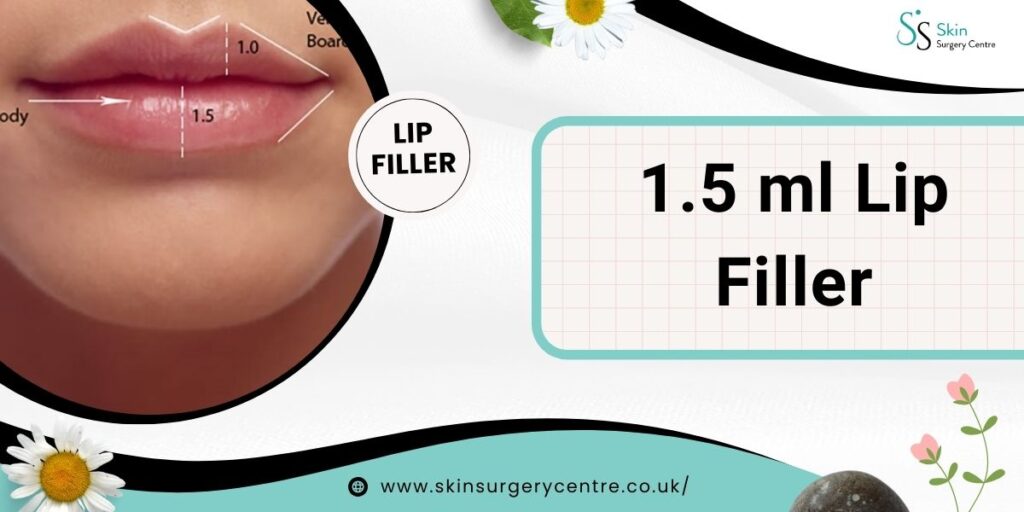
Lip fillers have taken the beauty industry by storm. They offer women and men alike a convenient and non-invasive way...