



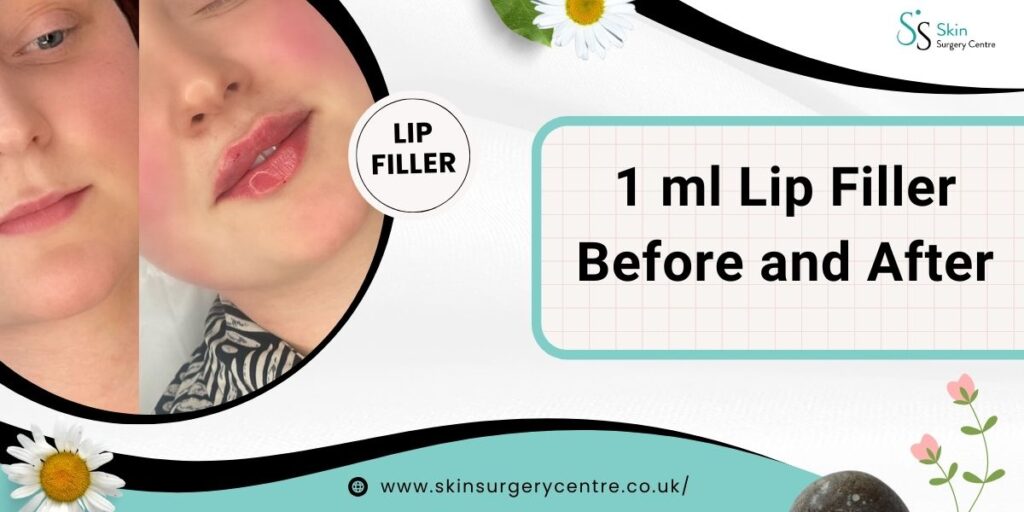
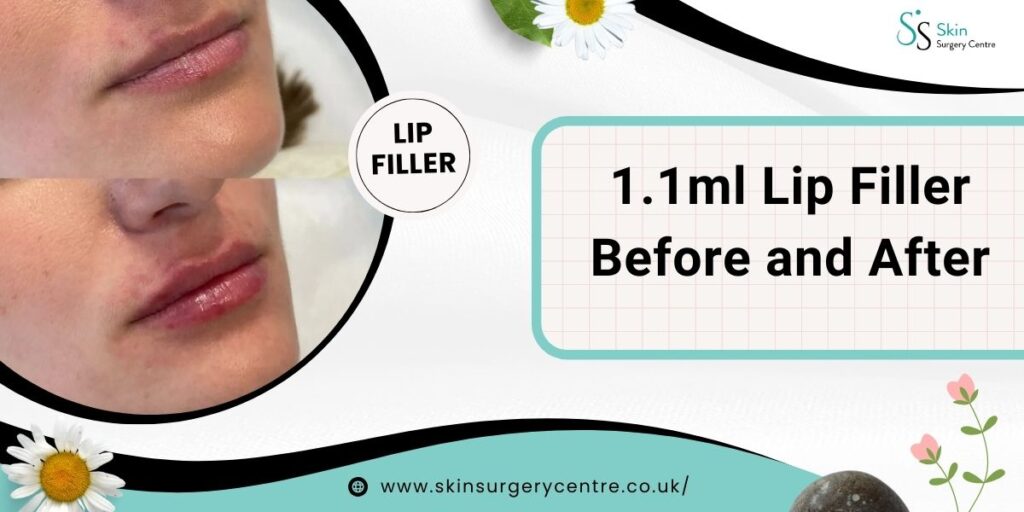
1.1 ml Lip Filler Before and After: What Results To Observe
Lip fillers have become one of the most sought-after non-surgical cosmetic enhancements due to their efficiency, customisability, and minimal downtime....
Lip fillers are increasingly popular for enhancing lip volume, contour, and overall aesthetics. If you’re considering the procedure, you may wonder how long lip fillers really last. Are lip fillers permanent, or do they require maintenance from time to time?
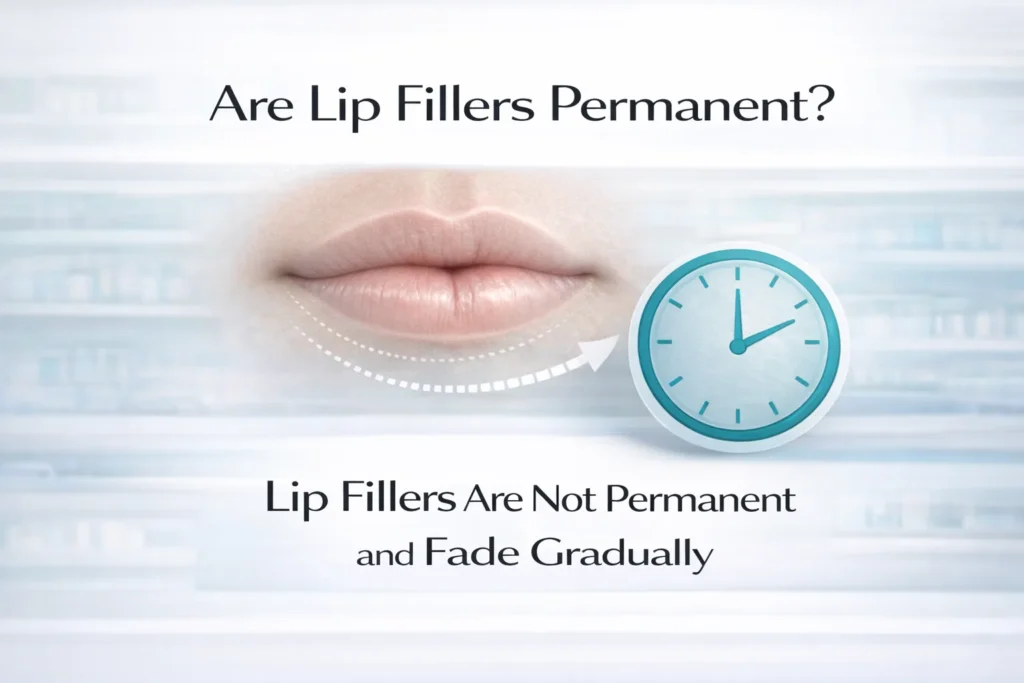
This blog will discuss all the details of lip fillers, such as how long they last, what the long-term effects are (if any), and also touch upon the importance of skillful administration of the procedure.
Whether you’re new to aesthetic treatments or exploring your next session, this guide clears common misconceptions so you can make informed decisions.
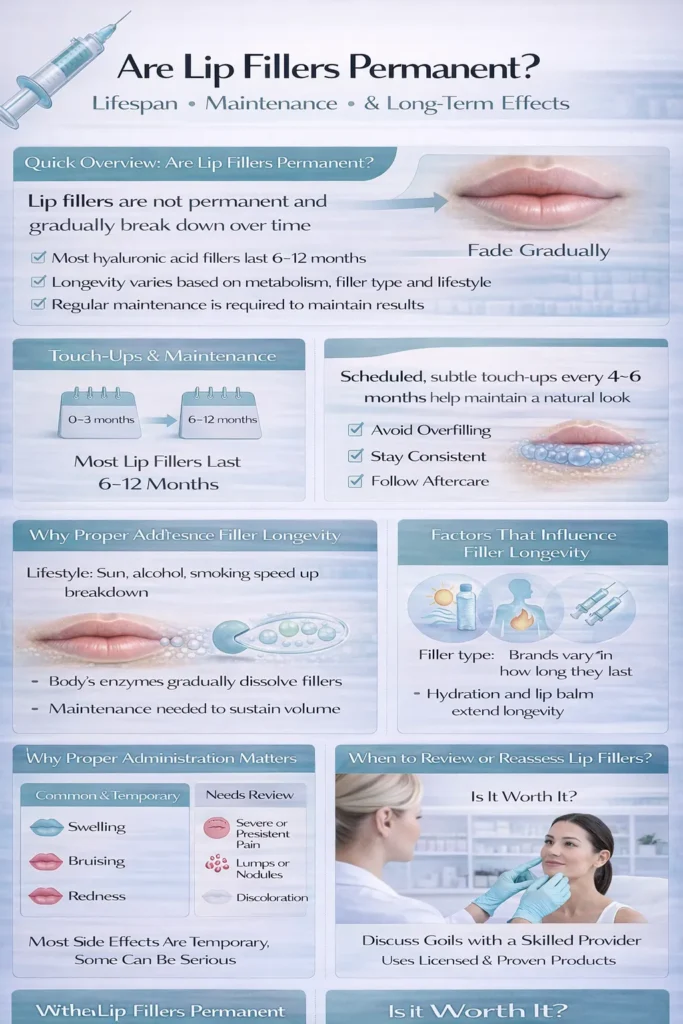
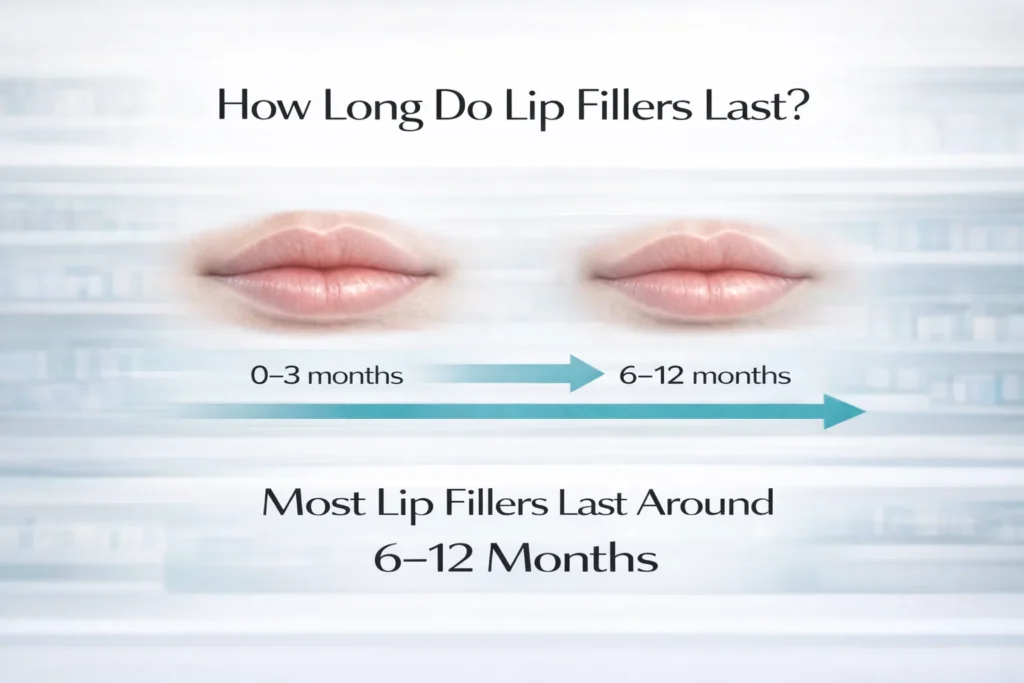
Lip fillers are not permanent. The majority of lip fillers are done using hyaluronic acid, an organic compound that the body metabolises over time. On average, lip fillers can last between 6-12 months, but this can vary depending on the individual with metabolism, lifestyle, and the product used.
| Filler Type | Is It Permanent? | Typical Duration | Maintenance Needed |
|---|---|---|---|
| Hyaluronic acid fillers | No | 6–12 months | Yes |
| Longer-lasting HA fillers | No | 12–18 months | Yes |
| Semi-permanent fillers | Sometimes | Several years | Case dependent |
| Permanent fillers | Yes (rarely used in UK lips) | Long-term | Not usually reversible |
Although rare, some studies and anecdotal reports suggest that residual filler may remain for several years, especially if multiple treatments have been administered.
During that duration, in some cases, migrated filler may accumulate in areas such as the upper lip border or under the nose, potentially requiring correction in areas like the upper lip border or beneath the nose.
These areas would then require modifications or corrective procedures. Regular assessments with your practitioner will help determine when touch-ups are needed.
Note: “Residual or migrated filler has been reported in some cases, but this does not occur in most patients and is influenced by filler type, injection technique, and treatment frequency.”
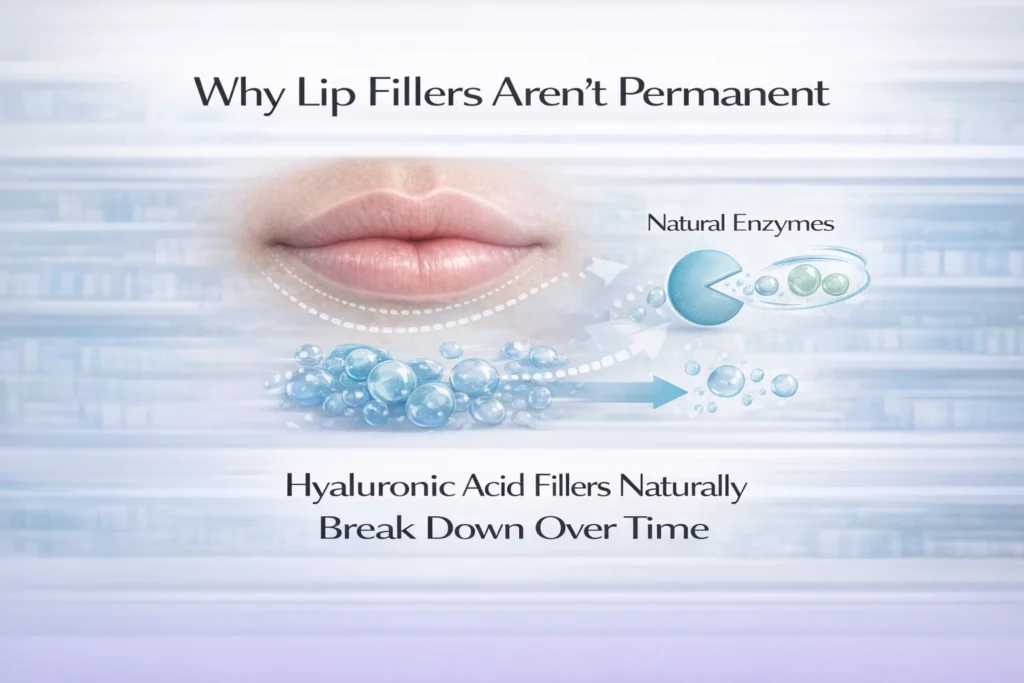
This breakdown is a benefit for those who may want to adjust or reverse the outcome over time.
Hyaluronic acid fillers are made with the intention that they will be temporary, given the fact that eventually enzymes within the body will break them down.
This provides benefits to people wanting to alter their look; however, it does mean that fillers require constant maintenance to retain results.

For many people, touch-up appointments are necessary for maintaining the desired look and are typically needed every four to six months. This timeline differs between individuals due to their metabolism, exposure to the sun, and whether they smoke or drink alcohol.
Without professional guidance, it’s possible to unintentionally achieve an overfilled appearance. Scheduled, subtle touch-ups help maintain a natural result.

Not many people consider the many long-term impacts lip fillers may have on the body over time. With lip fillers, if they are used incorrectly or treated too often, the tissue can compromise skin elasticity and natural structure.

When lip fillers are used too often, they can create tissue expansion, where the skin stretches due to recurrent overfilling procedures, potentially reducing natural elasticity over time.
Over time, this may lead to a loss of elasticity in the lips, resulting in a sagging or “deflated” look after the fillers dissolve. In such cases, corrective procedures such as lip reduction surgery may be necessary.
Note: “Such changes are not inevitable and are more commonly associated with repeated overfilling or poor technique rather than appropriately spaced, conservative treatments.”
Some individuals may develop granulomas, which are inflammatory nodules that appear as a result of the body’s reaction to a foreign substance—in this case, the filler material.
Granulomas might show up immediately after the treatment has been done, or even several months afterwards. Treatment for these might include the use of medications like hyaluronidase, which dissolves the filler, or in extreme cases, surgical excision or debridement.
Fillers are not permanent, and their placement is not necessarily guaranteed to remain the same. They tend to migrate over time, which can result in the loss of contour symmetry of the lips and face as a whole.
This is another reason why precise technique and regular reviews with your practitioner are essential.
Most people who have lip fillers do not experience long-term complications when treatments are performed conservatively and reviewed regularly. Gradual fading, subtle volume reduction, and return to natural lip shape are expected over time.
Less common concerns such as persistent firmness, filler migration, or repeated overfilling effects usually develop only with frequent high-volume treatments or poor technique. Regular professional review helps maintain balanced, natural results and reduces long-term risks.

Achieving safe results depends heavily on the skill of your injector. It is important to choose an appropriately trained and qualified UK aesthetic practitioner, plastic surgeon, or an injector with significant experience in fillers at your disposal.
A qualified injector ensures both aesthetic precision and safety, significantly reducing the risk of complications such as asymmetry, vascular occlusion, or overfilling.
They understand how to prevent complications such as unevenness, overfilling, or vascular issues, overfilling, or damaging blood vessels which could have dire consequences.
Be careful. Inexperienced providers may seem affordable, but they end up costing you more in the long run. This is one of those areas where quality comes at a premium, but is worth it.

Getting lip fillers is relatively risk free, but it is important to note any procedure comes with side effects and risks. Lip fillers aren’t as invasive as some surgeries, but if aftercare instructions are not followed, the side effects can become severe.
These side effects and symptoms will typically subside within a few days, and can be dealt with using ice packs, or avoiding alcohol and vigorous movements for a few days. Always follow aftercare protocols and alert your provider if anything feels unusual.
If you start to notice extreme symptoms or side effects, please make sure to contact your provider as soon as possible.
If undergoing a lip filler procedure is within your plans, ensure that you conduct your research first. Think about your lip goals, consider consulting with a certified professional, and analyse the pros and cons of lip augmentation before proceeding. Follow these tips to achieve the best results:
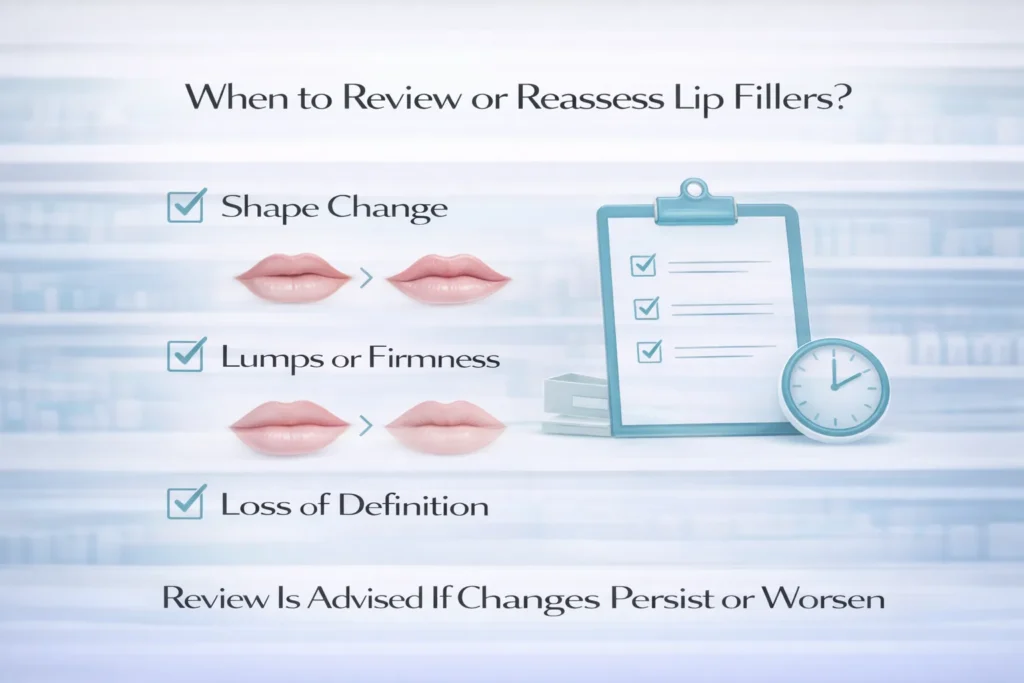
A professional review is advised if you notice:
In UK aesthetic practice, most lip fillers are temporary hyaluronic acid-based treatments designed to break down gradually over time. Responsible practitioners usually advise reviewing results periodically rather than maintaining continuous volume without assessment.
UK safety guidance emphasises conservative treatment planning, informed consent, and ongoing review to maintain natural outcomes and reduce long-term complications. Choosing an experienced and medically trained practitioner significantly improves safety, longevity balance, and aesthetic predictability.
Lip fillers are not permanent and gradually break down as the body metabolises hyaluronic acid over time. Most lip fillers last between six and twelve months, although longevity varies based on metabolism, filler type, and injection technique. Regular maintenance may be required to maintain volume, but conservative treatment planning helps preserve natural lip structure.
When performed by appropriately trained practitioners, lip fillers typically fade gradually without permanent stretching. Understanding longevity, maintenance, and long-term effects helps set realistic expectations and supports safer treatment decisions.
A: Most modern lip fillers are temporary. The majority used in UK aesthetic practice are hyaluronic acid-based and gradually break down over time as the body metabolises the product.
A: Lip fillers typically last between 6 and 12 months. In some cases, results may last slightly longer depending on metabolism, filler type, and injection technique, but they gradually fade rather than disappearing suddenly.
A: Yes. As temporary fillers dissolve, the lips usually return to their natural shape and size. When treatment is performed conservatively and correctly, permanent stretching or structural change is uncommon.
A: Yes. Hyaluronic acid lip fillers can be dissolved using an enzyme called hyaluronidase if early removal or correction is required. This should only be carried out by a qualified and experienced practitioner.
A: Regular maintenance treatments may help maintain consistent volume, but frequency should always be guided by a qualified practitioner to avoid overfilling or unnatural results.
A: Longevity varies based on metabolism, filler type, injection technique, and lifestyle factors such as smoking, sun exposure, and natural lip movement. Because the lips move frequently, filler in this area often dissolves slightly faster than in less mobile areas.
A: Permanent fillers exist but are rarely used in lips in modern UK aesthetic practice due to safety concerns and limited reversibility. Temporary hyaluronic acid fillers are generally preferred for their flexibility and safety profile.
A: A professional review is helpful if results appear uneven, last much longer than expected, or if you are considering maintenance. Regular assessments help maintain natural-looking results and reduce long-term complications.

For some people, lip fillers significantly improve self-esteem and give them an opportunity to change how they look.
Even though they are not permanent, fillers provide an effortless way to enhance the appearance of the lips at one’s discretion and need. With continued filler maintenance, alongside working with an experienced professional, subtle and aesthetically balanced enhancement can be achieved that coincide with one’s facial features.
If you are still uncertain if fillers are appropriate for your situation, begin with a consultation. A professional will ensure that you have sufficient information to make educated decisions throughout the journey.
A consultation with a qualified medical professional can help determine whether lip fillers align with your goals and expectations.


Lip fillers have become one of the most sought-after non-surgical cosmetic enhancements due to their efficiency, customisability, and minimal downtime....
Are you considering ways to achieve fuller, well-defined, and more symmetrical lips with 1.1ml lip filler? Whether this is your...
For people who are thinking about having their lips done, one of the most common questions is, “How much does...
The aesthetic procedure 1ml natural lip fillers is gaining more popularity in this day and age. This particular measurement is...
According to Beauty Tech industry trends, lip augmentation continues to grow in popularity, and for good reason. If you are...