

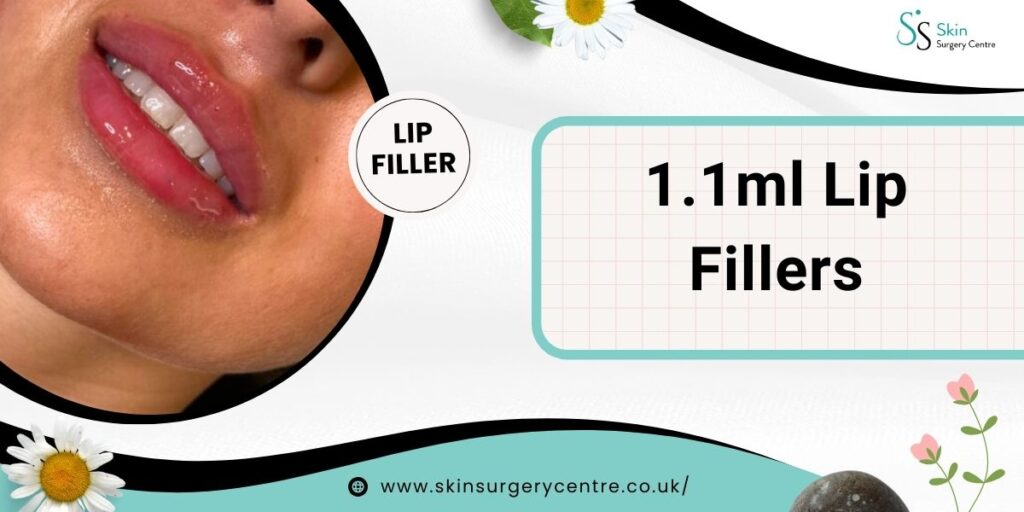
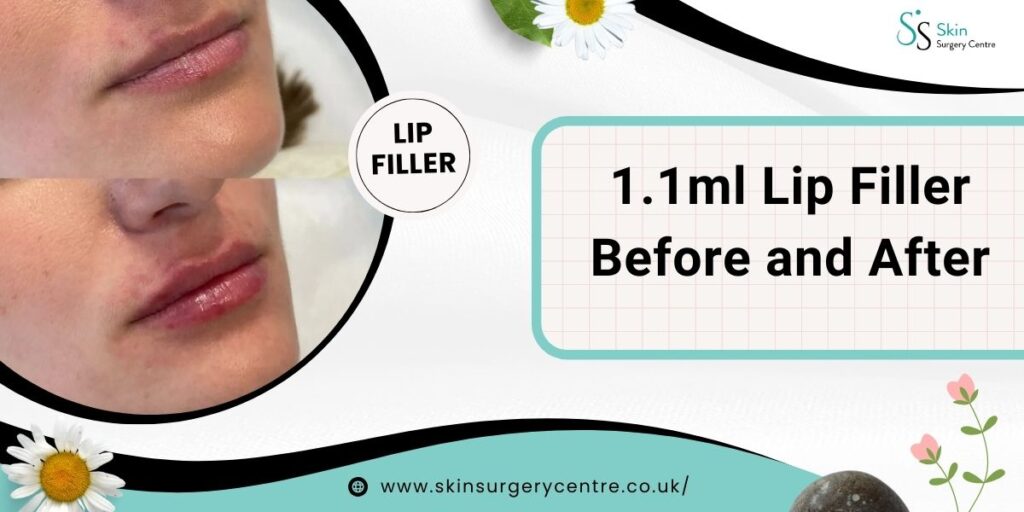
1.1 ml Lip Filler Before and After: What Results To Observe
Lip fillers have become one of the most sought-after non-surgical cosmetic enhancements due to their efficiency, customisability, and minimal downtime....
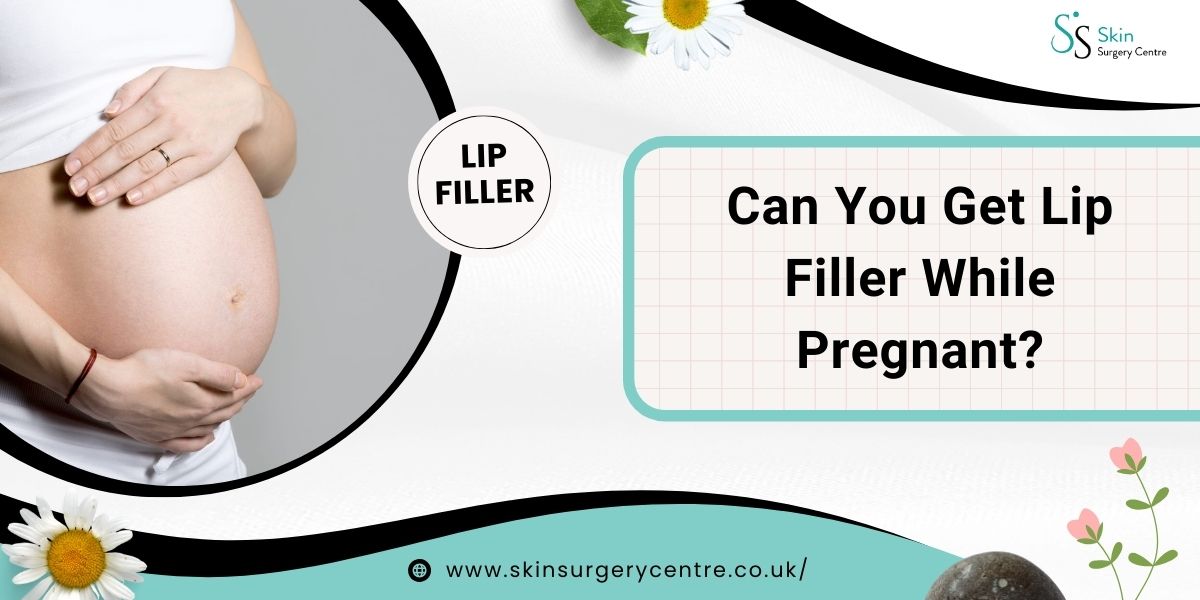
If you’re looking to enhance your beauty with lip fillers, the first thing you should consider is whether you should get them while pregnant. Most beauty-conscious women expect an answer to the question, can you get lip filler while pregnant, to be yes.
In a nutshell, the answer is no or rather more complex than just this. UK medical guidance advises against cosmetic injectables during pregnancy due to a lack of safety data. In the remainder of the post, we discuss the rationale, the risks, and how to make informed decisions with respect to your health and your baby.
The short answer is no. According to NHS guidance, dermal fillers are not recommended during pregnancy because their safety has not been established in pregnant or breastfeeding women. NHS – Dermal Fillers
This does not mean lip fillers are proven to be harmful. It means there is insufficient UK clinical evidence to confirm they are safe, which is why practitioners take a precautionary approach.
Lip fillers can be reversed by a variety of means such as hyaluronidase, surgical excision of lip fillers, and even liposuction. But, unlike other methods of removing fillers, hyaluronidase involves the breakdown of hyaluronic acid, which plays a natural role in tissue hydration and healing.
During pregnancy, UK practitioners generally avoid introducing injectable enzymes or elective procedures unless medically necessary. This aligns with conservative NHS and GMC guidance for cosmetic treatments.
The protection of both mother and baby is the priority during pregnancy. In the UK, neither the NHS nor professional bodies such as the GMC or BAAPS recommend dermal fillers during pregnancy due to the absence of safety data. Source: GMC – Cosmetic Interventions
The lack of pregnancy-specific clinical studies presents ethical and practical challenges. For this reason, UK clinicians typically advise postponing all non-essential cosmetic procedures until after pregnancy and breastfeeding.
During pregnancy, there are significant hormonal changes that must be considered before undergoing procedures such as lip fillers:
Hormonal fluctuations can make skin more reactive, increasing the risk of swelling, bruising, or inflammatory responses at injection sites.
Increased blood flow and hormonal changes may affect how fillers behave, potentially leading to uneven swelling or changes in lip shape.
Any injectable procedure carries a small infection risk. Pregnancy-related immune changes can make managing infections more complex, which may pose risks to both mother and baby.
These factors are why UK medical professionals commonly advise against lip fillers during pregnancy.
In the UK, lip fillers are classified as elective cosmetic procedures.
Because they offer no medical benefit during pregnancy, they are avoided due to uncertainty rather than proven harm, following NHS precautionary principles.
There is usually no need to panic if you become pregnant after having lip fillers, particularly if the procedure was performed by a qualified practitioner using approved products.
BAAPS notes that hyaluronic acid fillers are temporary and break down naturally over time.
If you experience symptoms such as sudden pain, increasing swelling, or signs of an allergic reaction, seek medical advice promptly.
Some women consider dissolving fillers due to concern. However, UK guidance recommends discussing this with both an obstetrician and an experienced aesthetic practitioner before taking any action during pregnancy.
The risks associated with lip fillers include allergic reactions, which can be more difficult to manage during pregnancy.
Treatment options for allergic reactions may be limited during pregnancy, making even mild complications more challenging to treat. Any suspected reaction should be treated as urgent and assessed by a healthcare professional immediately.
If fuller lips are something you’re considering, UK practitioners recommend waiting until after pregnancy and breastfeeding.
Once hormone levels stabilise postpartum, outcomes are more predictable and risks are reduced. A consultation with a qualified UK practitioner can then help determine the safest treatment plan.
If you want to enhance your lips safely during pregnancy, non-invasive options include:
These options prioritise both maternal and fetal safety.
A: No. UK medical guidance advises against lip fillers during pregnancy due to insufficient safety data.
A: There is no UK clinical evidence confirming safety, which is why elective injections are avoided.
A: In most cases, this is not a cause for concern, but any symptoms should be assessed by a doctor.
A: There is no confirmed evidence, but lack of research is why UK guidance recommends avoidance.
If you’re pregnant or planning a pregnancy and considering lip fillers, the safest next step is a consultation with a qualified UK aesthetic practitioner and your maternity care provider. Cosmetic treatments can wait — your health and your baby’s wellbeing always come first.

Lip fillers have become one of the most sought-after non-surgical cosmetic enhancements due to their efficiency, customisability, and minimal downtime....
Are you considering ways to achieve fuller, well-defined, and more symmetrical lips with 1.1ml lip filler? Whether this is your...
For people who are thinking about having their lips done, one of the most common questions is, “How much does...
The aesthetic procedure 1ml natural lip fillers is gaining more popularity in this day and age. This particular measurement is...
According to Beauty Tech industry trends, lip augmentation continues to grow in popularity, and for good reason. If you are...