

1.1 ml Lip Filler Before and After: What Results To Observe
Lip fillers have become one of the most sought-after non-surgical cosmetic enhancements due to their efficiency, customisability, and minimal downtime....
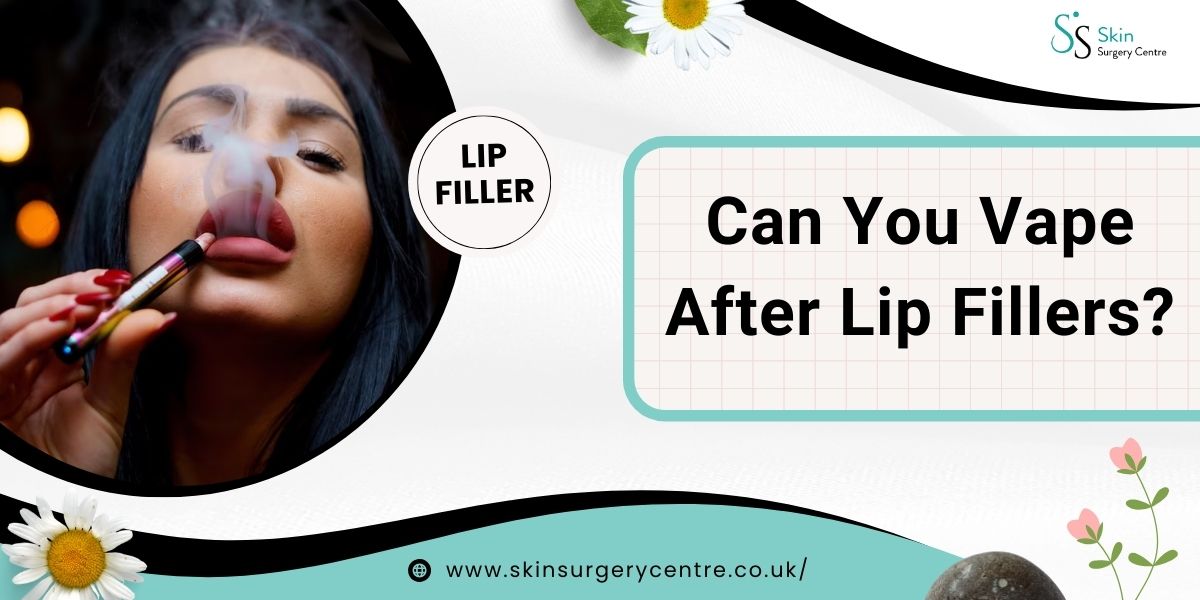
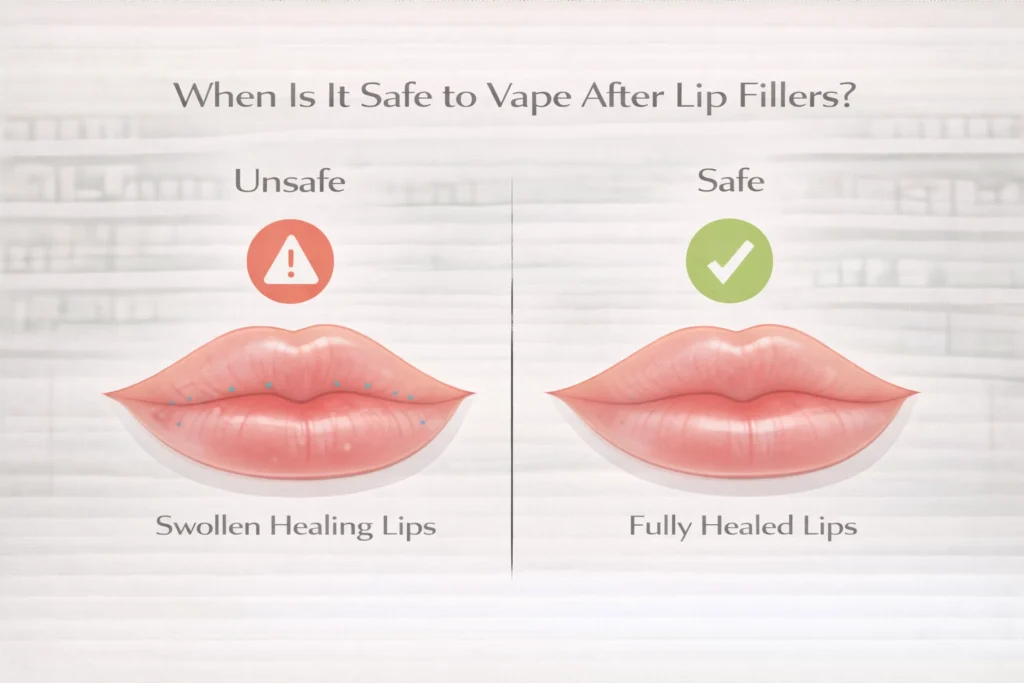
Can you vape after lip fillers? Vaping can affect the early healing process following lip filler treatment, particularly within the first 24–48 hours when swelling and tissue sensitivity are at their highest.
While occasional vaping may not directly damage filler, heat, nicotine exposure, and lip movement can increase irritation, prolong swelling, and interfere with optimal recovery. For this reason, many UK aesthetic practitioners advise avoiding vaping during the initial healing period.
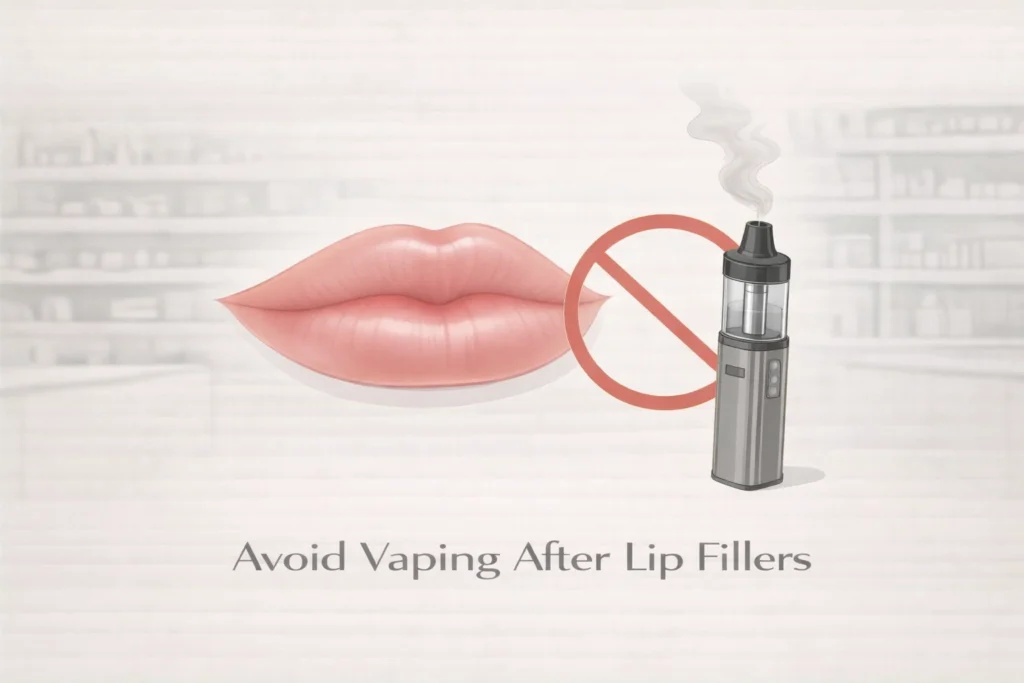
Understanding how vaping may affect lip filler recovery — and when it is safe to resume — helps reduce complications and supports a smoother, more predictable result.
To protect the treated area during early healing, healthcare professionals generally recommend avoiding vaping for at least 24–48 hours after treatment. This allows time for your lips to heal properly while lowering the chance of complications like irritation, infection, or prolonged swelling.
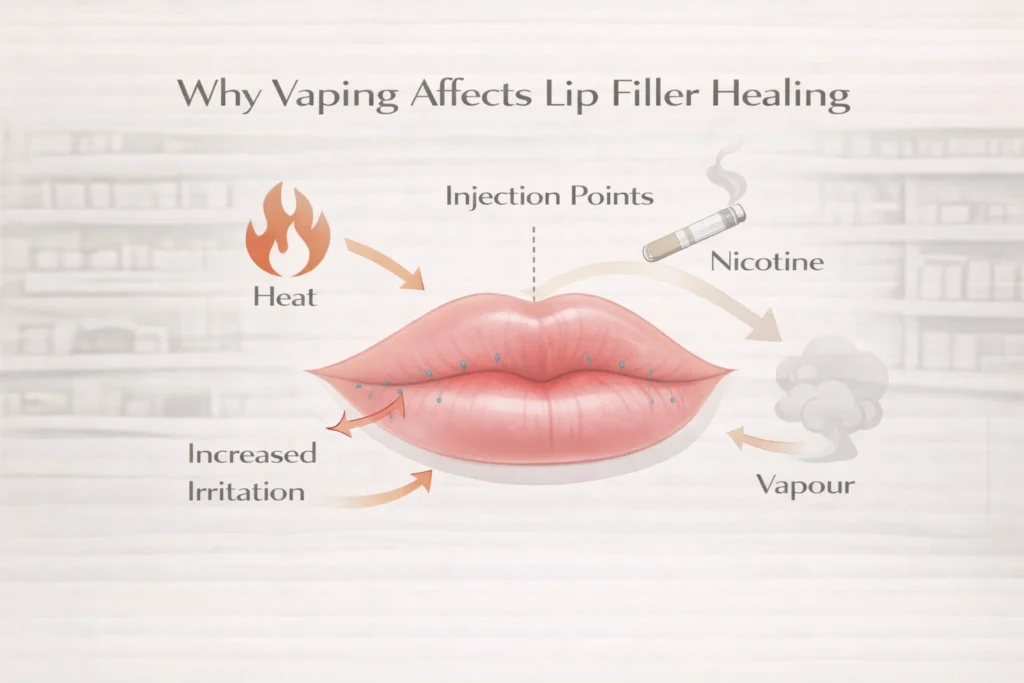
In the first few days after treatment, the lips may remain tender due to multiple injection points and localised inflammation. The process of inhaling, having vapour and heat present, can interfere with normal tissue recovery during the early healing phase. Allowing the treated area to settle without irritation supports stable filler placement and predictable healing outcomes.
In UK aesthetic practice, there is no formal NHS rule on vaping after dermal fillers. However, most qualified practitioners advise avoiding vaping during the early healing phase.
Nicotine exposure, heat, and repetitive lip movement may increase swelling or irritation and can potentially delay tissue recovery. For this reason, many UK practitioners recommend avoiding vaping for at least 24–48 hours after treatment, and longer where possible for optimal healing.
Patients with delayed healing, high nicotine use, or previous filler complications may be advised to avoid vaping for several days or longer based on individual assessment.
Practitioners in the UK are expected to follow safety standards aligned with the MHRA and professional guidance from the GMC when advising on post-treatment recovery.
Early lip filler healing involves localised inflammation and tissue repair. During the first 24–48 hours, the lips may remain sensitive, swollen, and more vulnerable to irritation. Exposure to heat, nicotine, and repeated lip movement during this phase may increase swelling duration and prolong recovery in some patients.
With the vaping, many vapours and particles are introduced to the sensitive tissues of your lips that have just undergone treatment – and are still healing. Those particles could prove irritating for the injection site, causing inflammation and other reactions.
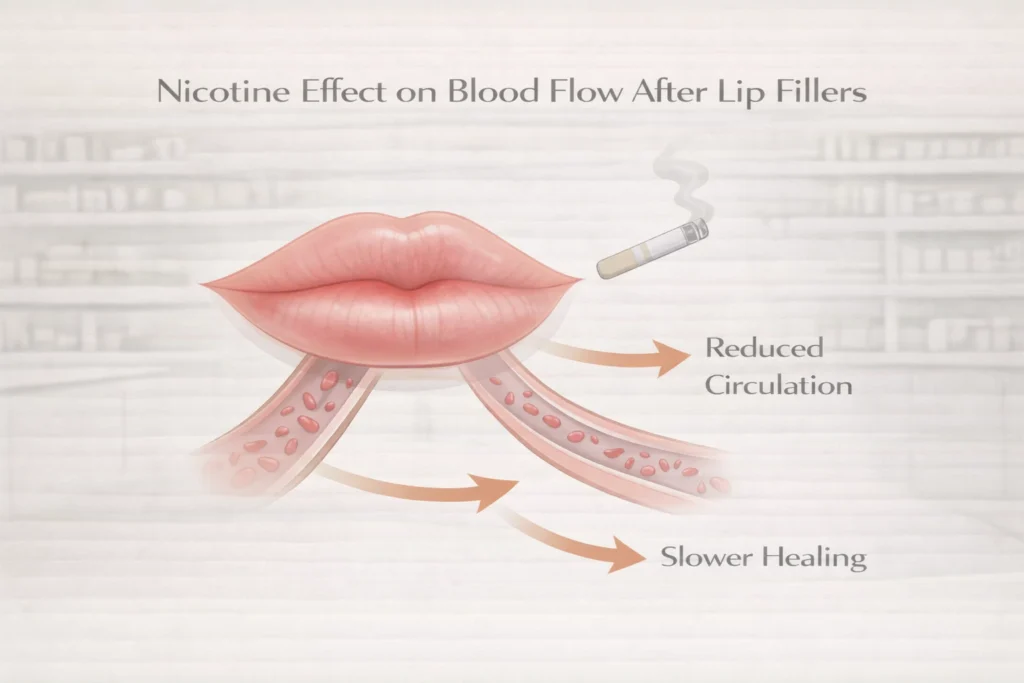
Nicotine is known to temporarily constrict blood vessels, which may reduce oxygen delivery to healing tissues. While this effect is usually mild, reduced circulation during early recovery may prolong swelling or bruising in some individuals.
Repetitive lip movement or strong suction during the early settling phase may place pressure on recently injected tissue. Although filler displacement is uncommon when treatment is performed correctly, minimising unnecessary lip movement during the first 24–48 hours supports optimal settling.
Avoiding vaping for a few days following this treatment can help to mitigate these factors and worries.
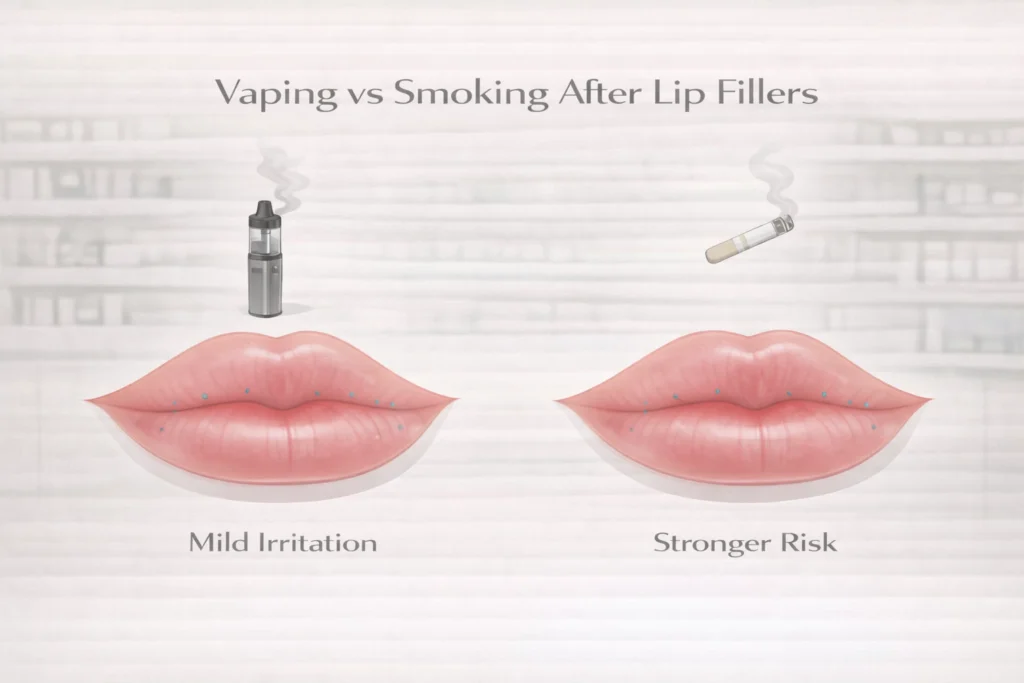
Is vaping better than smoking after lip fillers? Slightly — but both pose risks. UK practitioners advise avoiding smoking for two weeks, and vaping for at least 48 hours.
Smoking exposes healing tissues to higher levels of combustion toxins and carbon monoxide, which may impair oxygen delivery and delay tissue recovery.
Besides that, the amount of physical force needed to inhale the smoke of a cigarette is greater than that needed to vape.
Aftercare does not end with stopping the use of vaping pens. For the best recovery, and to ensure your lips heal cleanly, and your filler is set, follow the tips below for best practices.
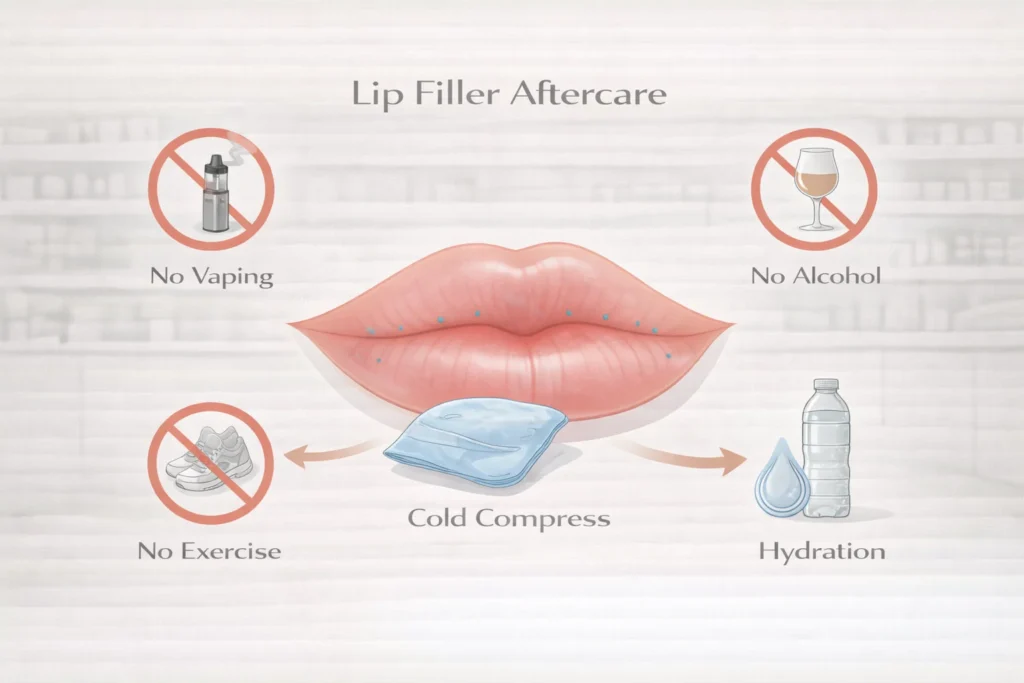
Consumption of soft or liquid foods will prevent excess pressure during eating as they do not require much chewing.
Apply a soothing lip balm or ointment prescribed by your doctor to help retain moisture and shield the area.
These aftercare measures support tissue recovery and help maintain a stable treatment outcome.
Your healing journey, alongside your general health condition, is different from others, which is probably the best reason to engage with your practitioner in the UK, especially if you vape regularly before a lip filler appointment.
Factors like personal medical history, how often you vape, as well as how well you heal are some considerations that your healthcare specialist will factor in while offering customised suggestions.
Some practitioners may go as far as suggesting that you change your lifestyle a week or so before treatment if you are a heavy nicotine user because such habits tend to lower circulation and prolong recovery time.
Professional guidance helps clarify your individual risk profile and supports safer recovery planning.
While there aren’t official NHS restrictions on vaping after lip fillers, most UK experts recommend waiting 24–48 hours. Abstaining from vaping for 24–48 hours allows early inflammation to settle and reduces unnecessary irritation during tissue recovery.
The right aftercare practices, coupled with insight from your provider on deeper issues, can position you to support recovery and minimise complications that accompany the predictable and stable treatment outcome.
In aesthetics, always remember to have some level of patience. Patience during early healing supports stable results and reduces avoidable complications.
If you vape regularly and are planning lip filler treatment, discussing this with a qualified practitioner beforehand allows personalised aftercare planning and reduces the risk of delayed healing or complications.
Seek urgent medical assessment if you experience:
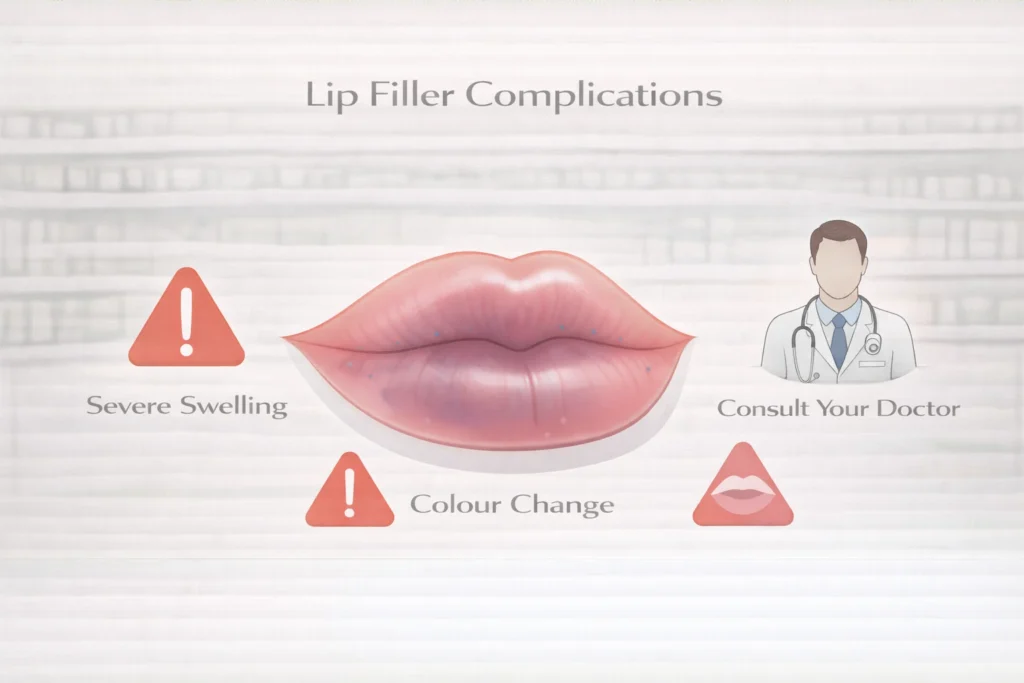
Although rare, vascular complications require immediate medical attention. Early intervention significantly improves outcomes.
Vaping after lip fillers is generally discouraged during the first 24–48 hours while initial swelling and tissue healing take place. Heat, nicotine, and lip movement may increase irritation and prolong recovery if resumed too soon.
Most patients can return to vaping once swelling and tenderness settle, but individual healing varies. Following professional aftercare advice and avoiding early irritation helps ensure a smoother and more predictable lip filler result.
A: Wait at least 24–48 hours before vaping to allow healing and reduce swelling risks.
A: Strong inhalation and lip puckering may move filler material, leading to uneven results.
A: Slightly — but both carry risks. Smoking is worse because of higher toxin exposure.
A: You may experience prolonged swelling, irritation, or even filler displacement.
Also Read:
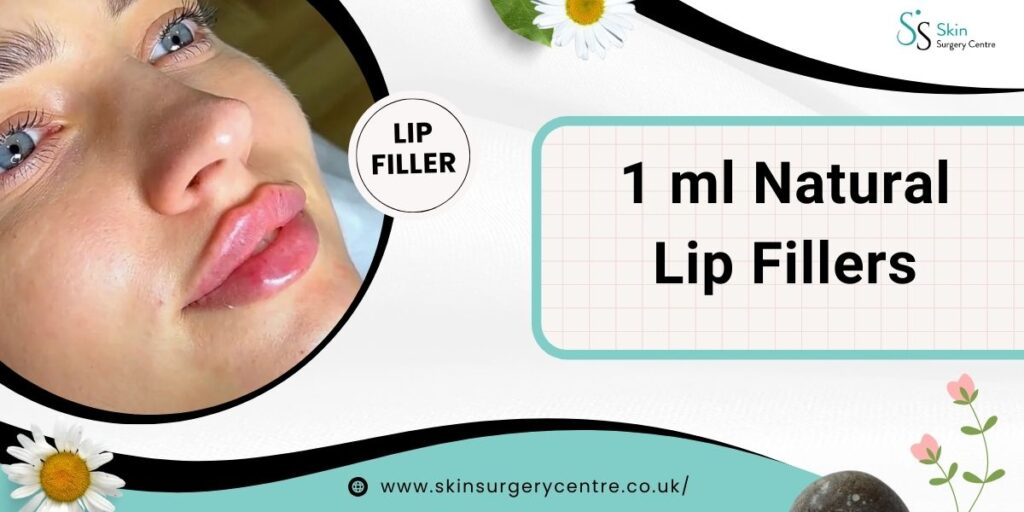
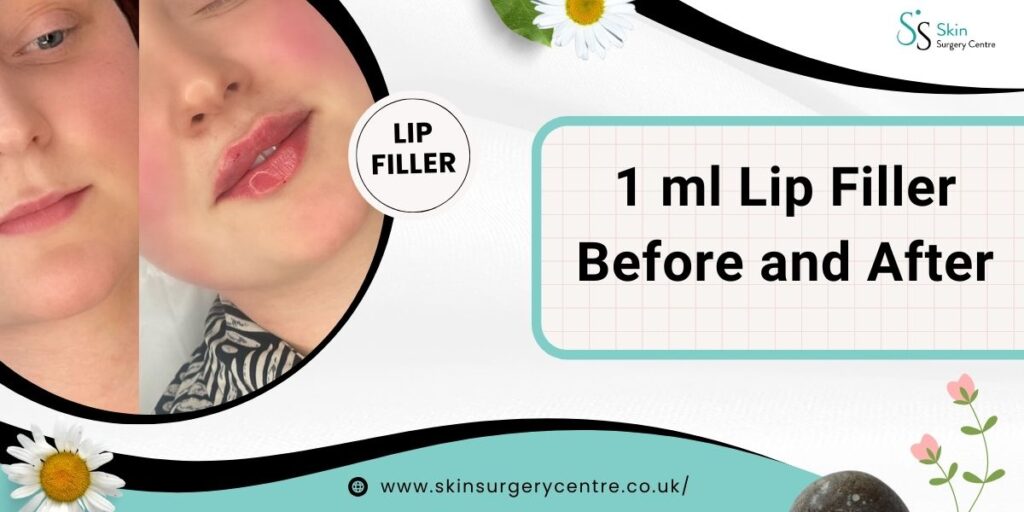

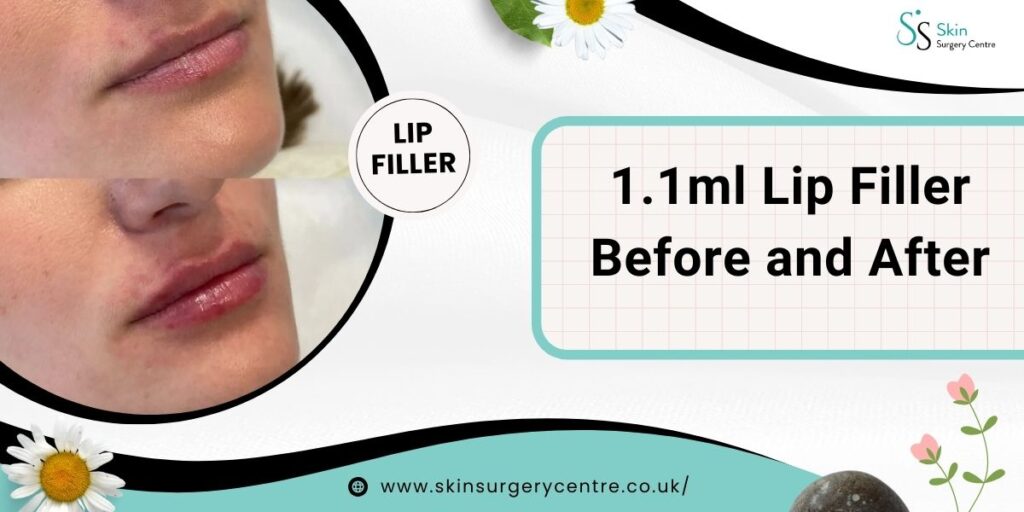
Lip fillers have become one of the most sought-after non-surgical cosmetic enhancements due to their efficiency, customisability, and minimal downtime....
Are you considering ways to achieve fuller, well-defined, and more symmetrical lips with 1.1ml lip filler? Whether this is your...
For people who are thinking about having their lips done, one of the most common questions is, “How much does...
The aesthetic procedure 1ml natural lip fillers is gaining more popularity in this day and age. This particular measurement is...
According to Beauty Tech industry trends, lip augmentation continues to grow in popularity, and for good reason. If you are...