


1.1 ml Lip Filler Before and After: What Results To Observe
Lip fillers have become one of the most sought-after non-surgical cosmetic enhancements due to their efficiency, customisability, and minimal downtime....
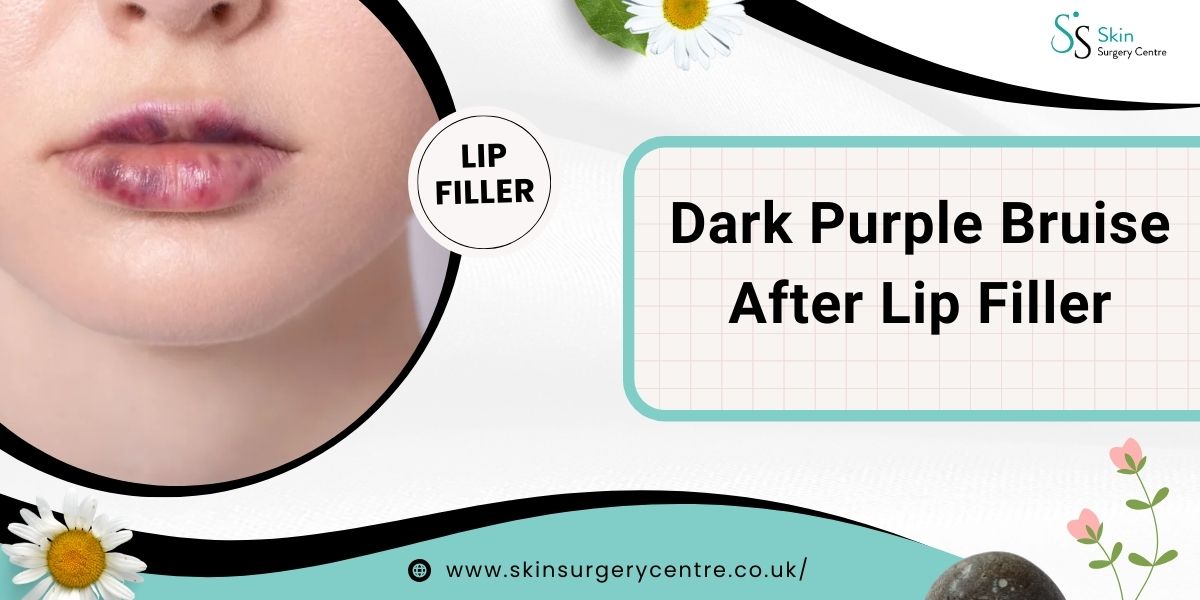
Lip fillers are among the most commonly performed non-surgical aesthetic treatments, offering enhanced lip shape, volume, and facial balance. However, like any injectable procedure, they can cause temporary side effects. One of the most common concerns patients experience is a dark purple bruise after lip filler treatment.
While bruising is usually harmless and part of the normal healing process, understanding why it happens, how to manage it, and when it may signal something more serious is essential for a safe and confident recovery.
The lips are one of the most vascular areas of the face, meaning they contain a dense network of delicate blood vessels. During filler injections, even with perfect technique, small vessels can be disrupted.
When blood leaks into surrounding tissue, it appears as a bruise — often dark purple, blue, or deep red in the early stages.
In most cases, this is a normal post-injection response, not a complication.
Not everyone bruises in the same way. Several factors influence the severity and duration of a dark purple bruise after lip filler.
Experienced practitioners use slow, controlled techniques and anatomical knowledge to minimise vessel trauma. Less precise technique increases bruising risk.
Softer hyaluronic acid fillers designed for lips tend to cause less trauma, but any injectable can cause bruising due to the vascular nature of the area.
These can all contribute to darker or longer-lasting bruises.
Medications and supplements such as:
can increase bruising risk if taken before treatment.
Alcohol dilates blood vessels and weakens capillary walls. Avoid alcohol for 24–48 hours before and after lip filler treatment.
If vascular occlusion is suspected, urgent medical intervention is required.
A dark purple bruise after lip filler typically follows this timeline:
Time is the most effective healer, but proper care can speed recovery.
Contact your injector or healthcare professional if:
Early review ensures safety and peace of mind.
This highlights why choosing a qualified, experienced practitioner is critical.
A dark purple bruise after lip filler can look alarming, but in most cases it is a normal, temporary part of healing. With proper preparation, skilled injection technique, and correct aftercare, bruising can be minimised and managed effectively.
Always consult a licensed practitioner who prioritises safety, anatomical knowledge, and patient education.
A: Yes. Dark purple bruising is common due to the rich blood supply in the lips and usually resolves on its own within 1–2 weeks.
A: Most bruises improve significantly within 5–7 days, though some may take up to 14 days to fully fade.
A: No, but the risk can be reduced with experienced technique, avoiding alcohol and blood thinners, and following proper aftercare.
A: No. Do not massage unless your practitioner specifically instructs you to do so.
A: Seek medical advice if bruising is accompanied by severe pain, skin blanching, numbness, or does not improve over time.
A: Not necessarily. Even perfectly performed treatments can cause bruising due to individual anatomy.
If you’re considering lip fillers or managing recovery concerns, speaking with an experienced aesthetic practitioner ensures safe outcomes and personalised guidance.
Your lips deserve expert care, informed decisions, and realistic expectations.
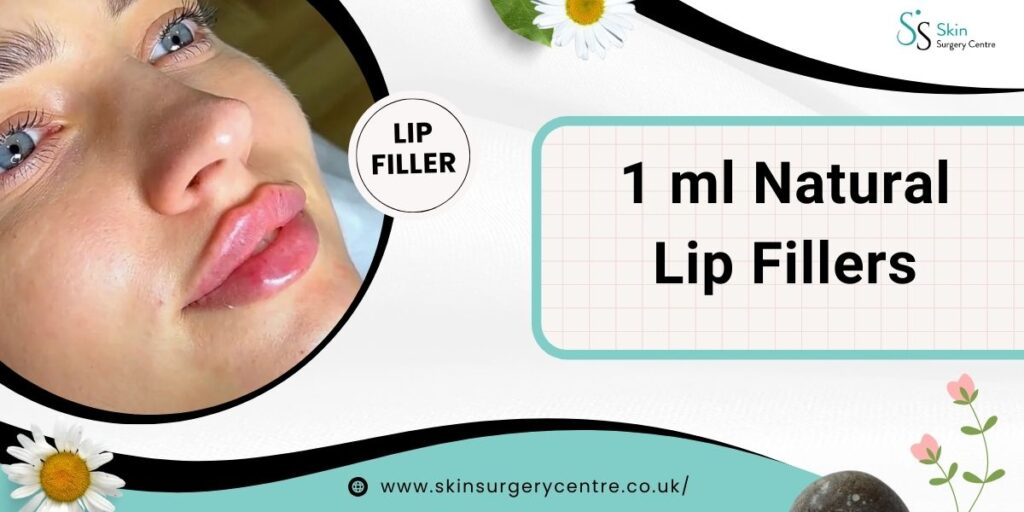
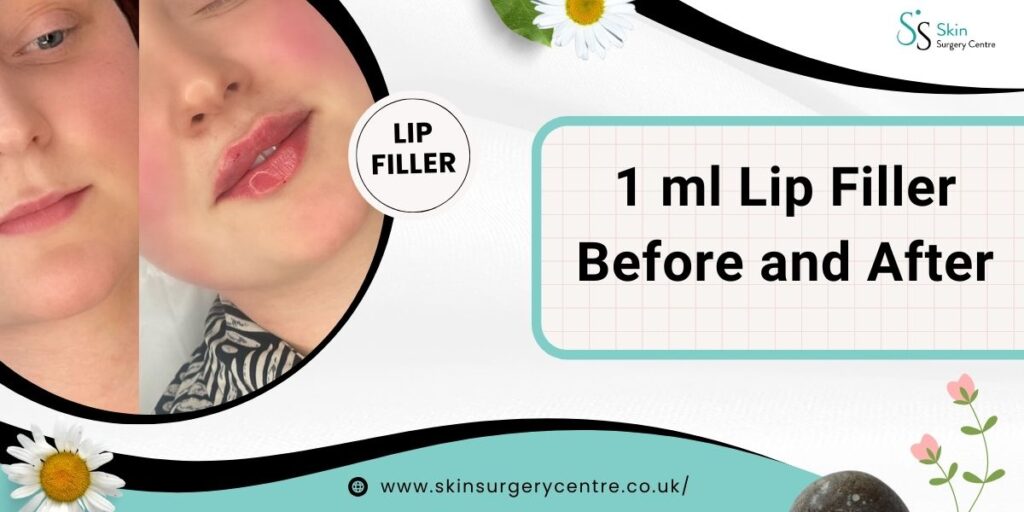

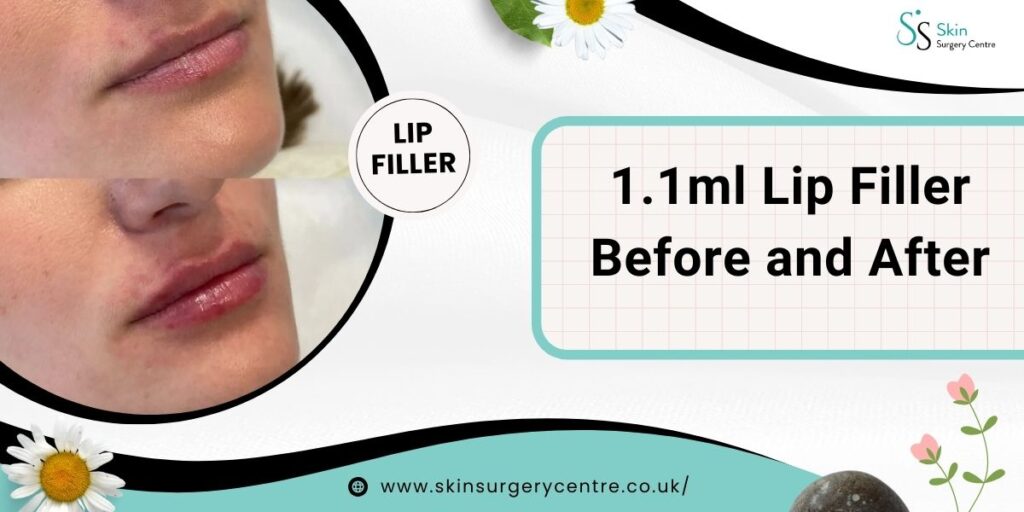
Lip fillers have become one of the most sought-after non-surgical cosmetic enhancements due to their efficiency, customisability, and minimal downtime....
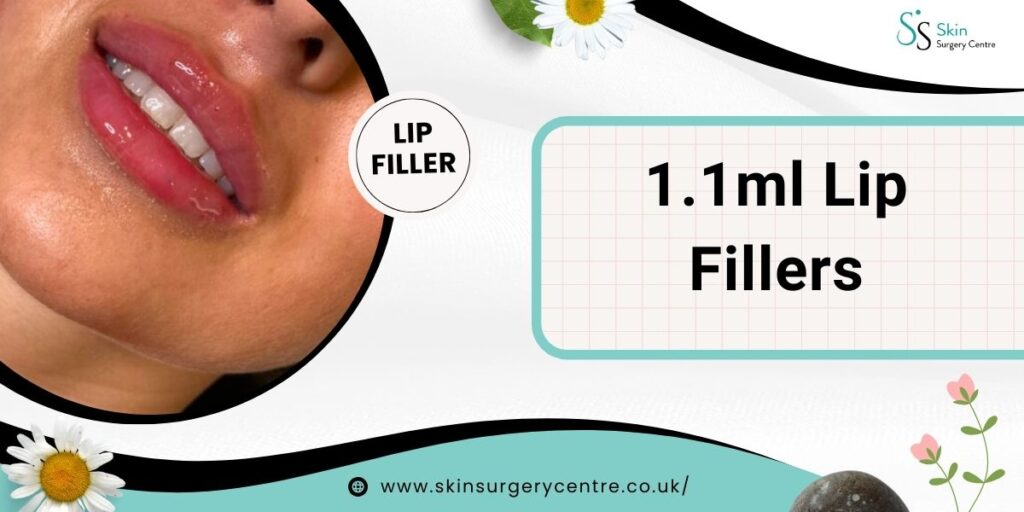
Are you considering ways to achieve fuller, well-defined, and more symmetrical lips with 1.1ml lip filler? Whether this is your...
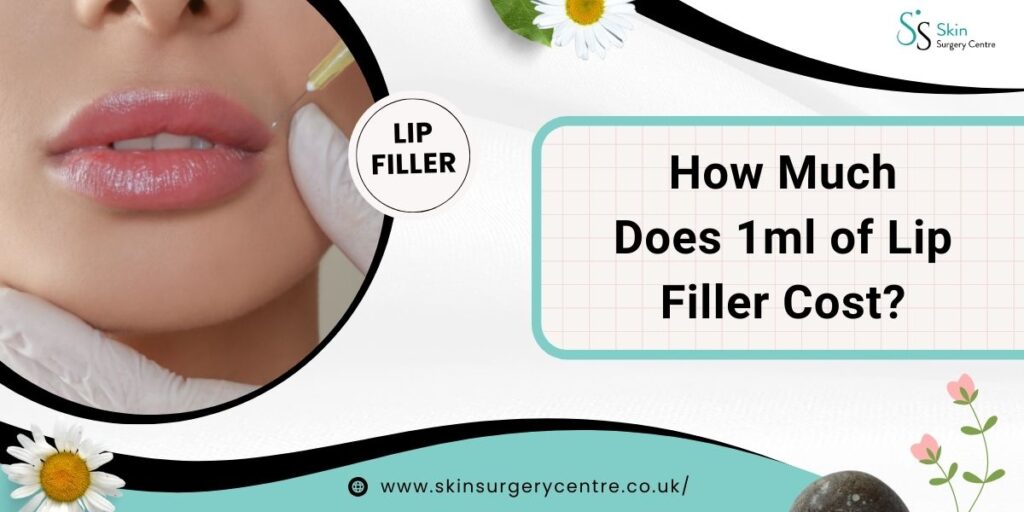
For people who are thinking about having their lips done, one of the most common questions is, “How much does...
The aesthetic procedure 1ml natural lip fillers is gaining more popularity in this day and age. This particular measurement is...
According to Beauty Tech industry trends, lip augmentation continues to grow in popularity, and for good reason. If you are...