



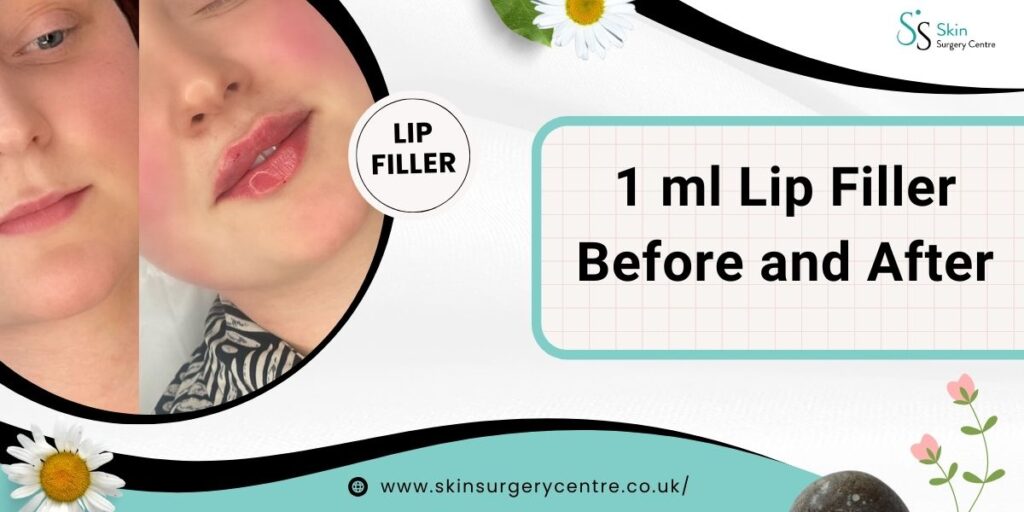
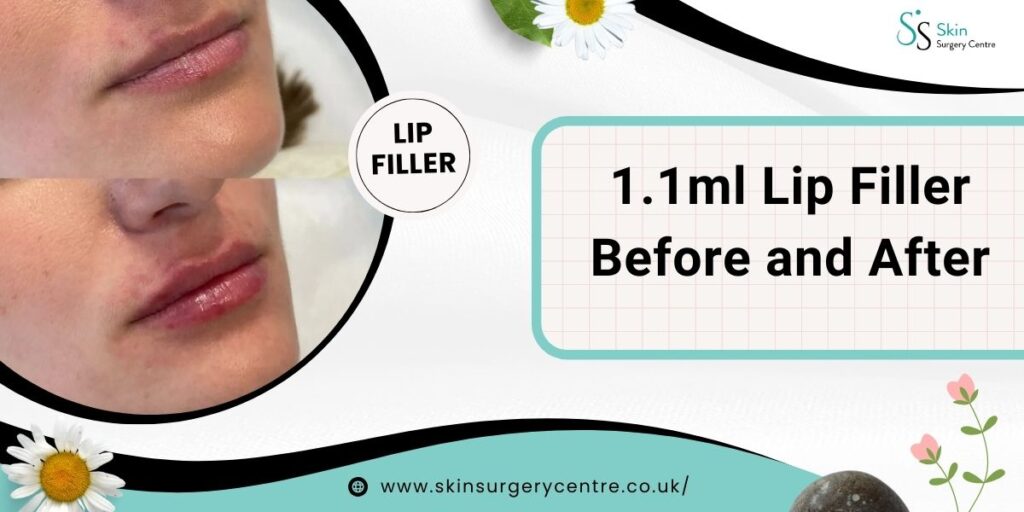
1.1 ml Lip Filler Before and After: What Results To Observe
Lip fillers have become one of the most sought-after non-surgical cosmetic enhancements due to their efficiency, customisability, and minimal downtime....
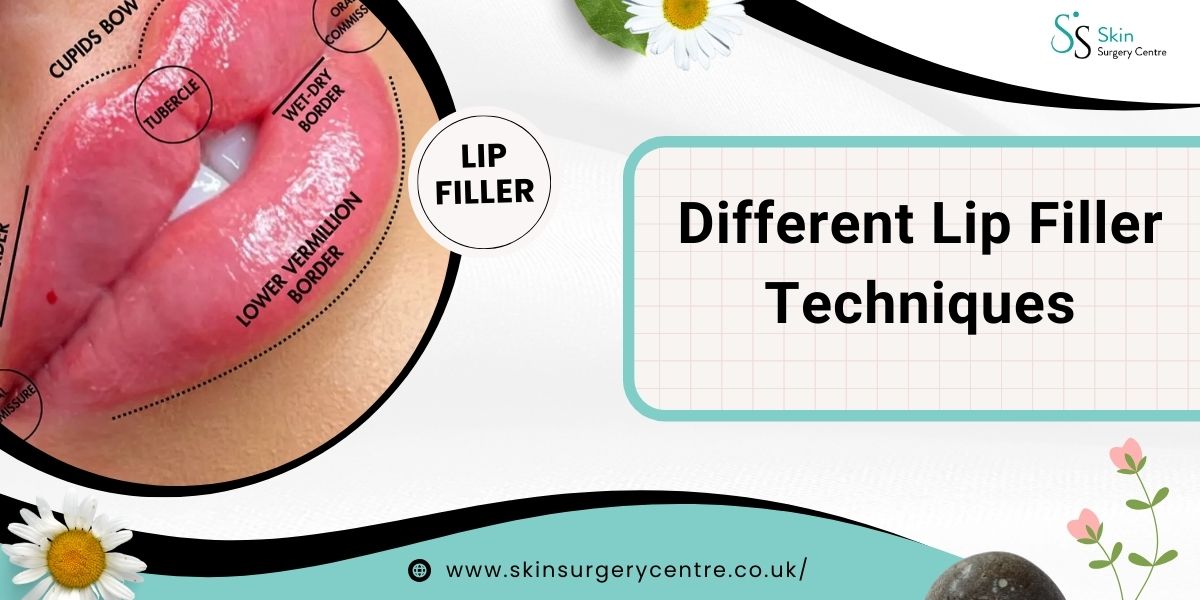
Lip fillers remain one of the most popular non-surgical aesthetic treatments worldwide. With advances in technique and product formulation, patients can now achieve anything from subtle enhancement to more structured definition.
However, understanding the different lip filler techniques available is essential for choosing the approach that best suits your anatomy, goals, and lifestyle.
This guide explains the most commonly used lip filler techniques, their advantages, limitations, and who they are best suited for—so you can make an informed, confident decision.
Lip fillers are predominantly made from hyaluronic acid (HA), a substance naturally present in the body. HA attracts water, providing hydration, volume, and flexibility while maintaining a natural feel.
When performed by a trained and experienced medical professional, lip fillers can:
Results typically last 6–12 months, depending on metabolism, lifestyle, and technique used.
This technique involves injecting filler in straight, controlled lines within the lip tissue.
Benefits
Considerations
Requires precision to avoid lumpiness or uneven distribution.
Best suited for
Patients seeking balanced shape improvement rather than dramatic volume.
Vertical injections are placed from the vermilion border inward, gently rotating the lip outward.
Benefits
Considerations
Requires advanced anatomical knowledge due to vascular proximity.
Best suited for
Patients wanting controlled fullness with a lifted appearance.
This method focuses on vertical height through central lip injections rather than outward projection.
Benefits
Considerations
Overfilling or poor technique can result in unnatural stiffness.
Best suited for
Patients seeking structured definition rather than volume-heavy lips.
Small amounts of filler are placed using a cannula or fine needle for delicate enhancement.
Benefits
Considerations
Results are subtle and not intended for significant volume increase.
Best suited for
Patients preferring minimal, natural-looking refinement.
Filler is distributed in a fan-like pattern through a single entry point.
Benefits
Considerations
Less targeted compared to precision techniques.
Best suited for
Patients wanting gentle volume enhancement without sharp definition.
This advanced technique enhances the vertical columns of the upper lip.
Benefits
Considerations
Requires conservative dosing to avoid rigidity.
Best suited for
Patients seeking subtle central definition rather than overall volume.
Filler is placed along the lower lip border to create a soft roll effect.
Benefits
Considerations
Balance with the upper lip is essential.
Best suited for
Patients with a thinner lower lip who want gentle enhancement.
Hyaluronic acid fillers remain the safest and most versatile option due to their reversibility and natural integration.
HA fillers can be dissolved using hyaluronidase if results are unsatisfactory or complications occur.
Results vary but generally last 6–12 months, with maintenance treatments often required once or twice yearly.
Technique selection is only effective when guided by an experienced, medically trained injector with strong anatomical knowledge.
Lip enhancement is not about following trends—it is about facial harmony, proportion, and safety. The best outcomes come from a personalised approach, combining the correct technique with conservative dosing and expert execution.
A thorough consultation ensures the chosen method complements your natural features rather than overpowering them.
A: When performed by a trained professional, all recognised HA-based techniques are considered safe. Risk depends more on injector expertise than the technique itself.
A: Microdroplet and linear threading techniques typically provide the most subtle, natural-looking results.
A: Discomfort levels are similar across techniques. Numbing cream and lidocaine-containing fillers significantly reduce pain.
A: Yes. Experienced practitioners often combine techniques to tailor results precisely to facial anatomy.
A: A professional consultation assessing lip anatomy, facial balance, and personal goals is essential before choosing a technique.
Lip filler treatments are a blend of medical science and aesthetic judgement. Selecting the right technique—and the right practitioner—ensures results that are refined, safe, and proportionate.
A detailed consultation with a qualified aesthetic practitioner allows your lip structure, facial balance, and expectations to be assessed professionally—ensuring the most suitable technique is chosen for you.

Lip fillers have become one of the most sought-after non-surgical cosmetic enhancements due to their efficiency, customisability, and minimal downtime....
Are you considering ways to achieve fuller, well-defined, and more symmetrical lips with 1.1ml lip filler? Whether this is your...
For people who are thinking about having their lips done, one of the most common questions is, “How much does...
The aesthetic procedure 1ml natural lip fillers is gaining more popularity in this day and age. This particular measurement is...
According to Beauty Tech industry trends, lip augmentation continues to grow in popularity, and for good reason. If you are...