

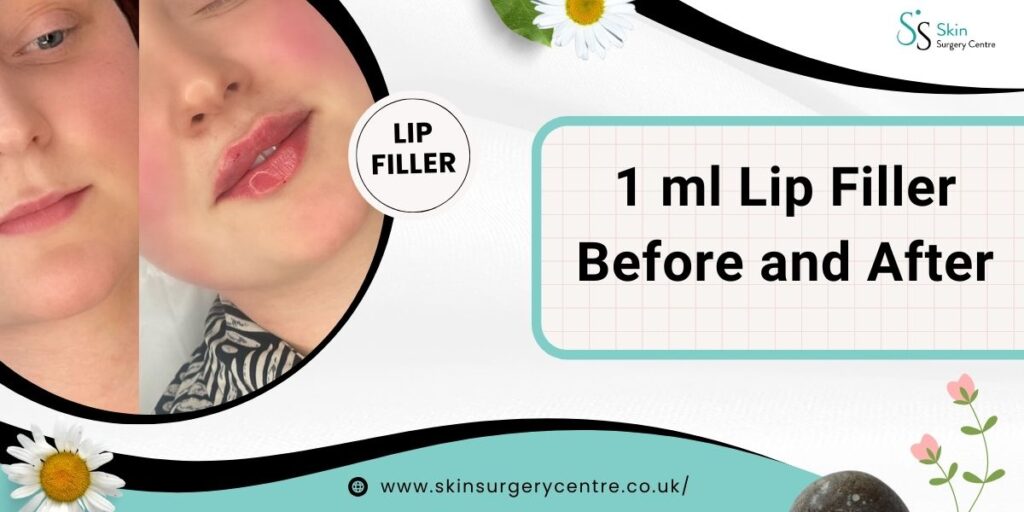
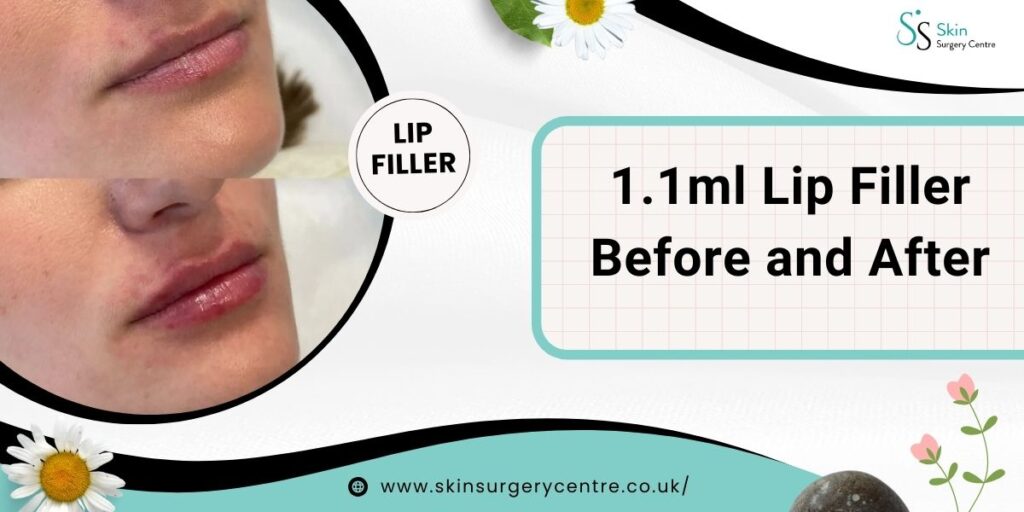
1.1 ml Lip Filler Before and After: What Results To Observe
Lip fillers have become one of the most sought-after non-surgical cosmetic enhancements due to their efficiency, customisability, and minimal downtime....
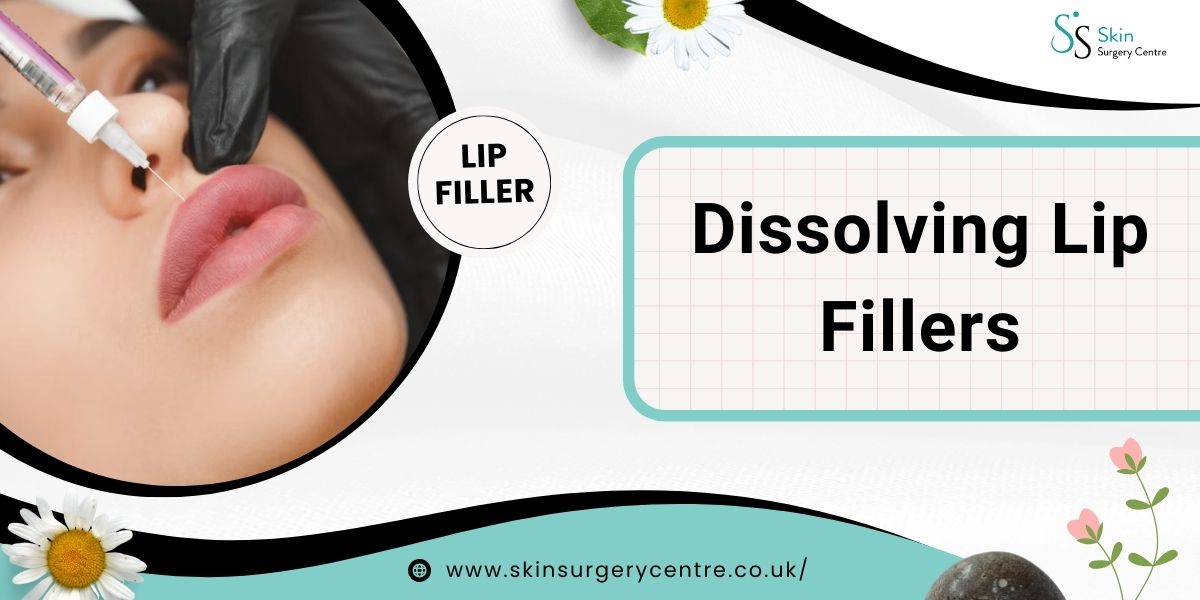
Are lip fillers something you want to dissolve? You are not the only one. Whether the results are not what you expected or you want to make a fresh start, dissolving lip fillers is an option many people use. This guide focuses on dissolved lip filler treatments, explaining how the process works, what to expect, and how to approach it safely under UK medical standards. In this article, you will learn the entire process including how it works, what you should expect, and the reality behind myths.
Lip fillers are made from a synthesized version of hyaluronic acid (HA), which is a type of sugar that exists in the human body. One of the biggest roles of HA is to retain moisture which helps in skin elasticity as well as plumping the lips.
The hyaluronic acid utilised in fillers comes in gel form, and it’s specially made to help enhance and build volume in naturally shaped lips. Well-known brands Juvederm, Restylane, Teosyal and even Belotero utilise this main ingredient having differing degrees of thickness and duration.
According to NHS guidance, hyaluronic acid dermal fillers are temporary and non-permanent, which is why dissolved lip filler treatments are possible. NHS – Dermal Fillers
Decided to dissolve those lip fillers? Good news, the process is pretty simple thanks to the enzyme called hyaluronidase which makes the process a lot easier.
This enzyme that occurs naturally within the body is used to dissolve the hyaluronic acid filler used in the lips augmentation procedure.
From a medical standpoint, hyaluronidase is widely used in aesthetic medicine to break down HA fillers when correction or reversal is required.
Swift Results: Almost instantaneously after injection, the enzyme will start to work. You will start to see results within a couple of hours.
Full Clearance: There can be prominent visible changes, although it might take a full week for the filler to clear and be absorbed completely.
Please keep in mind that the amount of Hyaluronidase injected is catered to your requirements so that the result is safe and controlled.
Clinically, the NHS notes that results may vary depending on filler type, volume, and individual metabolism.
Most fillers can’t be worked on with hyaluronidase. Only lip fillers done with AIHA can be taken apart with this enzyme. A few of the most widely used brands of dissolvable AIHA fillers are:
Fillers made from tissues or non-hyaluronic acids like collagen or other non-biological materials are not AIHA dissolvable and require other methods.
UK medical guidance confirms that only hyaluronic acid fillers can be dissolved using hyaluronidase. Source: NHS – Dermal Fillers
Some patients noted that after the fillers were dissolved, their lips appeared wrinkled or “deflated”. While this is not permanent, it may help to know the following factors:
Volume Loss: With no filler in place, your lips shrink back to their normal size which may appear to be more wrinkly.
Skin Elasticity: If the collagen or elastic fibres on your lips are low, the skin on your lips would take longer to respond.
Tissue and Structure Changes: Surrounding lip tissues can become softer due to hyaluronidase action, which could loosen structures modifying lip shape or firmness.
Don’t worry. These effects tend to be short-lived, and the lips usually go back to their original form within weeks.
According to BAAPS, temporary textural changes after dissolved lip filler treatments are expected and typically resolve naturally.
Yes. Dissolving lip fillers with hyaluronidase is safe to do, especially when performed by qualified medical personnel. Hyaluronidase is a substance that is produced naturally in the body making it biocompatible to most people.
Like any other medical procedure, there are some risks to be aware of, no matter how minimal these may be:
Allergic Reaction: Some individuals may have an allergic reaction to hyaluronidase, although this is rare. A patch test can mitigate this risk.
Swelling or Bruising in Specific Areas: Swelling on the skin’s surface or minor bruises around the area of injection or incision is the norm and goes away in most cases after two or three days.
The NHS advises that hyaluronidase should only be administered by trained practitioners due to potential complications.
Certified professionals are best equipped to dissolve lip fillers for safety reasons and optimal results. Their knowledge guarantees:
Accurate Placement: Advanced techniques enable them to dissolve fillers in the sought locations effectively.
Lowered Risks: Any side effects or complications that may arise are easily handled by professionals.
The General Medical Council (GMC) states that cosmetic interventions must be patient-centred, ethically justified, and performed by appropriately trained practitioners. Source: GMC – Cosmetic Interventions
Myth 1: Fake-looking lip fillers are the norm.
Truth: If done correctly, fillers give a fuller look without compromising on appearance. An experienced practitioner will make sure the results are subtle and refined.
Myth 2: Fillers require an endless regimen.
Truth: Hyaluronic acid fillers don’t need to be maintained regularly, but they typically last from 6 to 12 months depending on your metabolism and the type of product used.
Myth 3: Stretching your lips permanently is something fillers do.
Truth: Hyaluronic acid fillers cannot permanently change the size of the lips. After the filler has been dissolved, the lips revert to their normal size and shape.
A: Most visible changes occur within hours, but complete settling can take up to 7 days.
A: Only hyaluronic acid fillers can be dissolved using hyaluronidase.
A: Discomfort is usually minimal and short-lived, according to NHS cosmetic procedure guidance.
A: Yes. In most cases, lips return to their natural shape once swelling subsides.
A: Yes, but UK practitioners typically advise waiting until tissues fully stabilise.
If you are considering a dissolved lip filler treatment and want expert, medically guided advice, a personalised consultation with a qualified UK aesthetic practitioner is always the safest first step. Your lips deserve careful assessment, ethical treatment, and results that prioritise both safety and natural beauty.
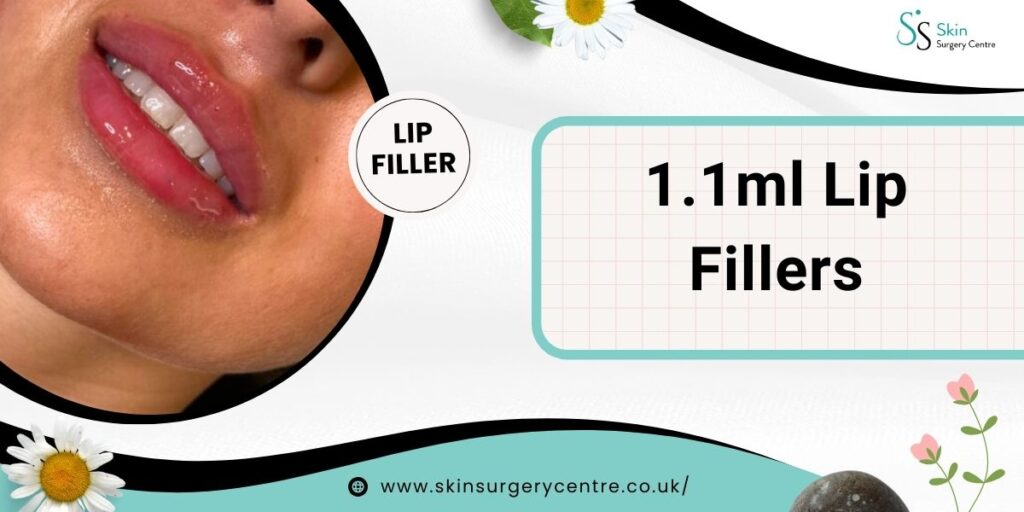

Lip fillers have become one of the most sought-after non-surgical cosmetic enhancements due to their efficiency, customisability, and minimal downtime....
Are you considering ways to achieve fuller, well-defined, and more symmetrical lips with 1.1ml lip filler? Whether this is your...
For people who are thinking about having their lips done, one of the most common questions is, “How much does...
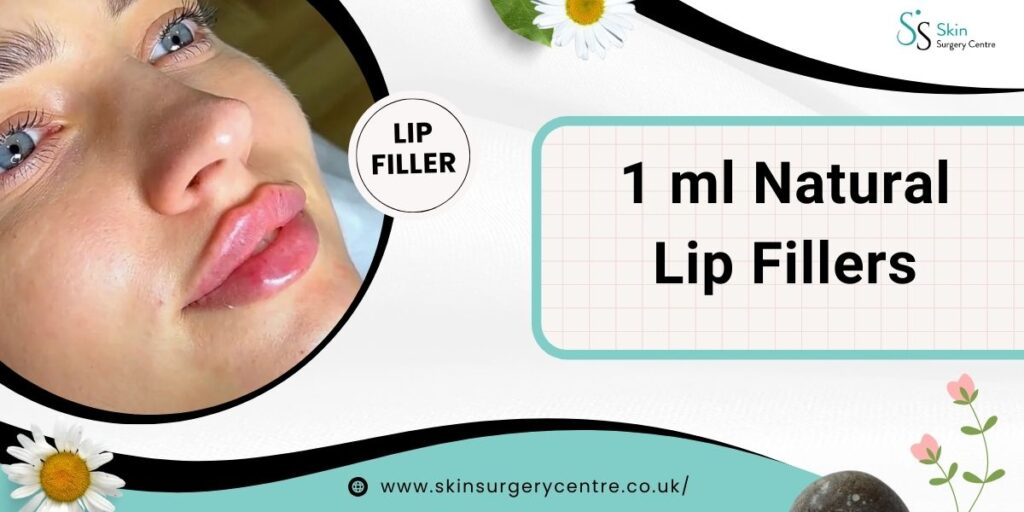
The aesthetic procedure 1ml natural lip fillers is gaining more popularity in this day and age. This particular measurement is...
According to Beauty Tech industry trends, lip augmentation continues to grow in popularity, and for good reason. If you are...