



1.1 ml Lip Filler Before and After: What Results To Observe
Lip fillers have become one of the most sought-after non-surgical cosmetic enhancements due to their efficiency, customisability, and minimal downtime....
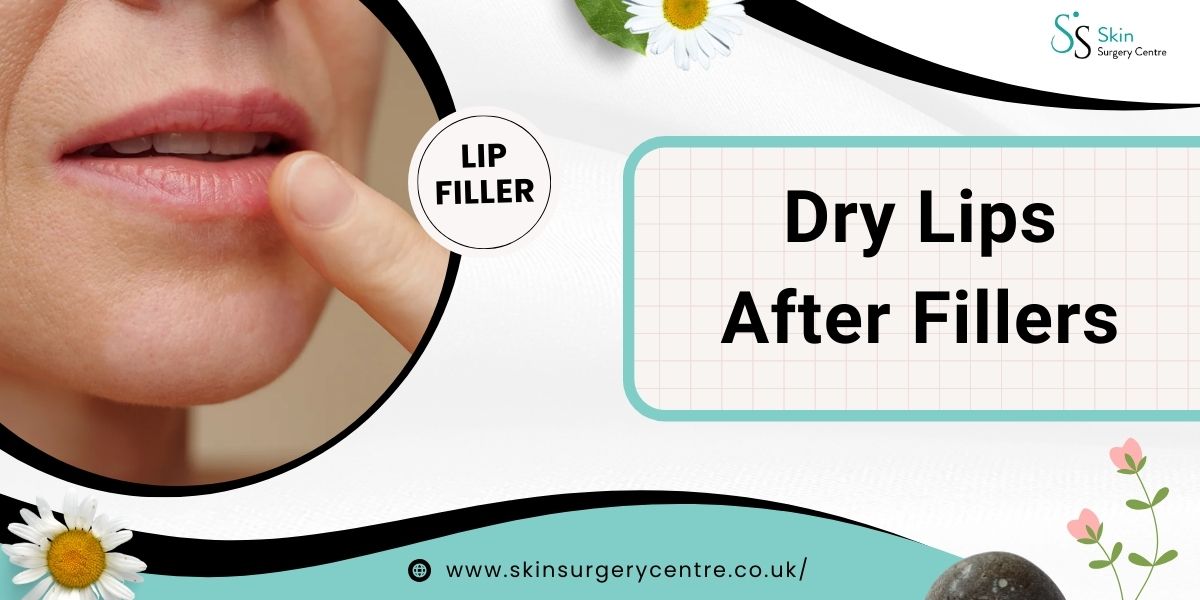
Lip fillers are loved all around the globe. These injections are very popular as they increase the volume and shape of the lips. However, one of the most annoying after effects is dry lips that occur after the filler injections.
If you are one of the many people who underwent the lip fillers procedure and now have the feeling of dry lips, do not worry. This article will explain the reasons why people feel dry lips after fillers. Additionally, keep scrolling if you want to find out effective ways of how to keep lips hydrated after fillers.
Dry lips after filler injections are usually temporary and related to swelling, skin stretching, reduced surface hydration, and post-treatment sensitivity. In most cases, dryness improves within 7–14 days with proper aftercare and hydration.
People peeling lips after receiving fillers is more common than we think. Here are some of the most notable reasons you should take a look at:
Increased swelling of the lips can result in an overshot of hydration. Additionally, it can create room for filler, which opens up a lot of space below the lips. Because of this, the upper layer of skin on the lips becomes much more prone to damage than before.
From a clinical perspective, post-injection swelling temporarily stretches the delicate lip skin, reducing its ability to retain moisture effectively.
Many doctors use numbing cream before administering needles into the lips.
Though effective at relieving discomfort through topical application, this cream may occasionally cause some degree of dryness due to reduced blood flow and skin sensitivity.
When the weather is particularly sunny, lips are often exposed to the dry outdoors and overly heated indoor air, causing moisture to evaporate from the treatment area and creating the risk of peeling post-procedure.
Cold UK weather, indoor heating, and wind exposure commonly worsen post-filler lip dryness.
Do you tend to lick or nibble at your lips? These actions, though moderate in their impact, can actually cause more harm than good by disrupting the natural protective barrier of moisture, resulting in further dryness and peeling.
The points elaborated above remind us that fillers usually come with dry, irritated lips; however, the focus should also encompass the rest of the effects that may show up post the procedure.
These, on the brighter side, are manageable and clear within a handful of days.
Prolonged swelling, noticeable lumps, increasing pain, spreading redness, or signs of infection (heat, discharge, fever) require prompt review by your practitioner.
While the skin on the lips becomes dry and cracked, it undoubtedly is one of the most annoying lip symptoms to deal with. Not only is it uncomfortable, but the condition may impact the overall aesthetic of the newly volumised lips.
In UK clinical practice, cracked lips are usually linked to dehydration, environmental exposure, or premature exfoliation rather than a filler complication itself.
Fortunately, the appropriate management of lip dryness makes it easy to either mitigate or entirely avoid dry lips. That is good news indeed.
Make sure your skin stays hydrated and nourished from within!
Why it is important: Maintaining your hydration levels is important post filler as it helps your body’s moisture levels and flushes out toxins.
Expert tip: Consider drinking at least 2 litres daily along with eating hydrating foods such as cucumber and watermelon.
Moisturising lip balms come in different varieties and effectiveness.
What to choose: Use thick ointments or lip balms containing water such as shea butter, coconut oil, vitamin E, and even hyaluronic acid as they enhance moisture levels in your lips.
What to avoid: Avoid balms containing menthol or camphor as these will worsen the condition of your lips.
Lips, even under fillers, remain sensitive and prone to harm from UV rays.
Why it is important: Exposure to the sun can cause even greater exacerbating sun damage as well as dryness from fillers.
Solution: Protect your pout using lipsticks or balms with SPF to ensure your lips remain nourished.
Although it may seem that licking your lips provides some relief, saliva dries out your skin rapidly which enhances dryness.
Instead, keep a lip balm close and apply it whenever your lips feel dry.
Exfoliation is generally a good thing, but it’s better to avoid it up until a week after a filler procedure. The skin is sensitive post-treatment, and scrubbing at it can be irritating, causing more peeling.
Smoking does not only make your lips dry, but also contributes to fine creases and discolouration around the mouth which also makes the fillers lose their appealing effect.
Dry lips may be more noticeable if you:
A professional consultation helps tailor aftercare advice to individual skin needs.
Applying ice packs: This helps reduce swelling and provides relief without having the lip balm cause drying on the lips.
Be gentle with skincare: Keep heavy and irritating skincare products away from the lips until they have healed.
Speak with your doctor: Discuss any existing concerns regarding dryness before the appointment so that they can tailor their recommendations for aftercare.
A: In most cases, dryness improves within 7–14 days as swelling settles and the skin barrier recovers. Persistent dryness should be reviewed by your practitioner.
A: No, dryness alone is usually not a sign of a complication. However, dryness combined with pain, colour change, or increasing swelling should be assessed promptly.
A: Hyaluronic acid attracts water, but early swelling and skin stretching can temporarily disrupt surface hydration, leading to dryness.
A: Lip balm helps, but optimal recovery also requires good hydration, avoiding irritants, and following professional aftercare advice.
From a UK clinical perspective, NHS and professional bodies emphasise that dermal filler aftercare should always be guided by a qualified practitioner, with follow-up arranged if symptoms persist or worsen.
Peeling and dry lips after fillers are common and can be controlled.
These tips, alongside proper hydration and skincare, will help maintain your lips soft, smooth, and flawless.
If dryness persists beyond two weeks, worsens, or is accompanied by pain or colour changes, always seek professional assessment. Lip filler outcomes vary between individuals, and expert guidance ensures safe, natural results.
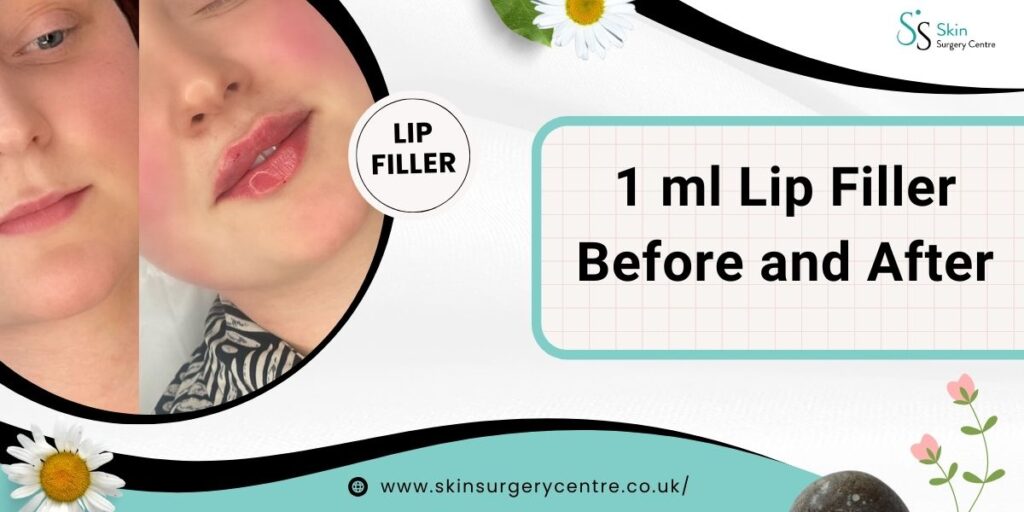

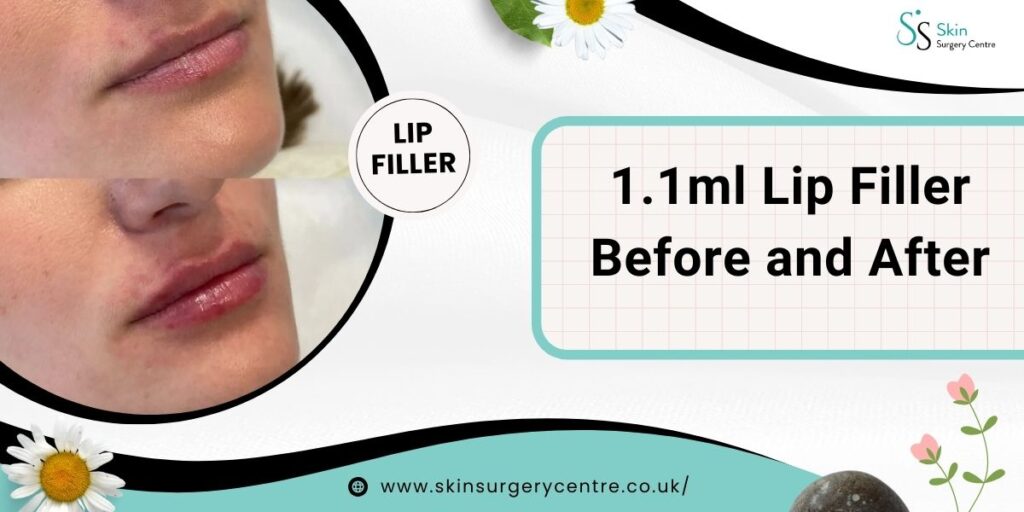
Lip fillers have become one of the most sought-after non-surgical cosmetic enhancements due to their efficiency, customisability, and minimal downtime....
Are you considering ways to achieve fuller, well-defined, and more symmetrical lips with 1.1ml lip filler? Whether this is your...
For people who are thinking about having their lips done, one of the most common questions is, “How much does...
The aesthetic procedure 1ml natural lip fillers is gaining more popularity in this day and age. This particular measurement is...
According to Beauty Tech industry trends, lip augmentation continues to grow in popularity, and for good reason. If you are...