

1.1 ml Lip Filler Before and After: What Results To Observe
Lip fillers have become one of the most sought-after non-surgical cosmetic enhancements due to their efficiency, customisability, and minimal downtime....
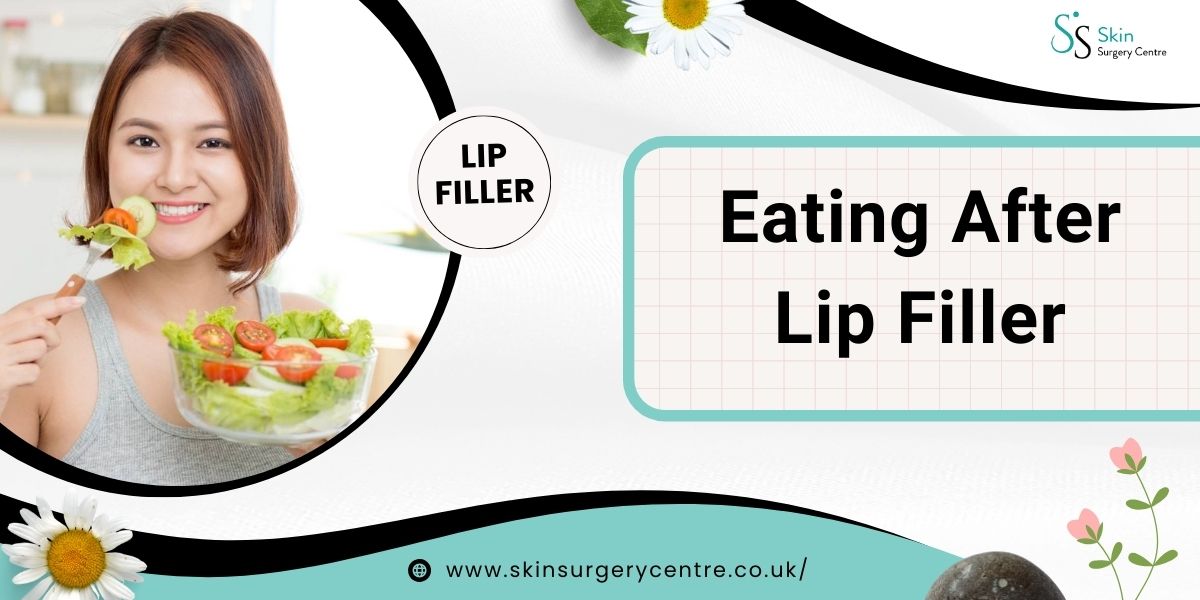
Hair, Makeup, and Skin Clinic Filling your lips can be incredibly enjoyable as an ingredient to your beauty journey, but the actual procedure entails one of the most intensive recovery periods. If you’re wondering about eating after lip filler, knowing what to eat and what to avoid plays a crucial role in reducing swelling, discomfort, and healing time.
After getting any medical procedure done, the focus shifts priority towards lip care after the procedure is done. Remember that the swelling and discomfort that follows require a bit of post-procedural TLC when it comes to nutrition.
Eating properly will drastically reduce healing time, while the wrong foods can severely impede the recovery timeline.
After lip filler treatment, eating after lip filler should focus on soft, cool, non-acidic foods for the first 24–72 hours. Avoid spicy, salty, crunchy, acidic, and very hot foods, as these can worsen swelling, dryness, and discomfort.
Cucumbers and watermelon can allow for optimal hydration and are rich in necessary vitamins. Soda and sugary juices are a definite no-go, as they’ll impede and prolong the post-filler swelling. Make sure to fill your water canister as it helps you sip away on that plump look you want to maintain.
Always remember this rule when dealing with lip fillers and accompany your meals with supporting vitamin-rich foods like broth and cucumbers.
From a UK clinical perspective, good hydration supports circulation, helps hyaluronic acid fillers integrate smoothly, and reduces post-treatment dryness.
Eating after undergoing lip filler treatment requires special consideration. Food shouldn’t require a lot of chewing which puts strain on your lips. Here are some ideas:
When undergoing lip fillers, smoothies are very popular because they can be packed with nutrients. For those who enjoy smoothies, make sure not to use a straw because that suction can place a lot of strain on your lips.
Straw use is discouraged for at least 48 hours, as suction can increase pressure on freshly treated tissue and may worsen swelling.
After the procedure, your lips will feel tender and swollen with an aching sense of discomfort. Food that is soft is easy to consume which makes the pain bearable while providing essential nutrients for healing.
Smoothies and other cool foods help in reducing swelling associated with lip fillers. Some other great choices are:
These foods not only help smooth inflammation, but provide relief for sensitive lips. Avoid icy cold foods that stir up irritation.
Extremely cold foods may cause vasoconstriction, increasing sensitivity in freshly treated lips.
Nutrition needs to be balanced when healing from an illness. Here are some nutritional suggestions that may help:
These foods are rich in vitamins and gentler on your lips, so they can be eaten while healing.
Protein and micronutrients support tissue repair and help reduce recovery time after lip fillers.
In the healing stage, these are the items you should avoid:
Spicy foods can aggravate swelling and discomfort. Avoid hot curries, spicy noodles, or chilli sauces during early recovery.
Salt is dehydrating and may worsen lip dryness and soreness. Avoid crisps, salted nuts, and processed snacks initially.
Acidic foods can irritate sensitive post-injection skin. Avoid:
Allow foods and drinks such as soup, tea, or coffee to cool before consuming to avoid increasing blood flow and swelling.
Crunchy foods require excessive chewing and may strain the lips. Avoid:
For the first few days after lip fillers, the enhanced lips may feel unusual. Helpful tips include:
Practising careful eating habits helps minimise discomfort and supports longer-lasting results.
Extra caution with eating after lip filler is advised if you experience:
In these cases, professional review is recommended before returning to normal eating.
Changing your diet isn’t the only thing you need to do – proper aftercare is essential.
These steps support smoother healing and reduce complication risk.
A: Most patients benefit from soft foods for 24–72 hours, depending on swelling and sensitivity.
A: Eating does not move filler, but excessive chewing, suction, or pressure can increase swelling early on.
A: Alcohol is best avoided for 24–48 hours as it increases bruising and swelling.
A: Many people resume normal eating within 3–5 days once swelling settles.
UK clinical guidance recommends personalised aftercare, as healing varies between individuals. Always consult your practitioner if pain or swelling worsens instead of improving.
Adequate nutrition, correct eating after lip filler, and mindful aftercare can make recovery smoother and more comfortable.
If you’re unsure about your recovery or have ongoing discomfort, a follow-up consultation ensures safe healing and informed decision-making.

Lip fillers have become one of the most sought-after non-surgical cosmetic enhancements due to their efficiency, customisability, and minimal downtime....
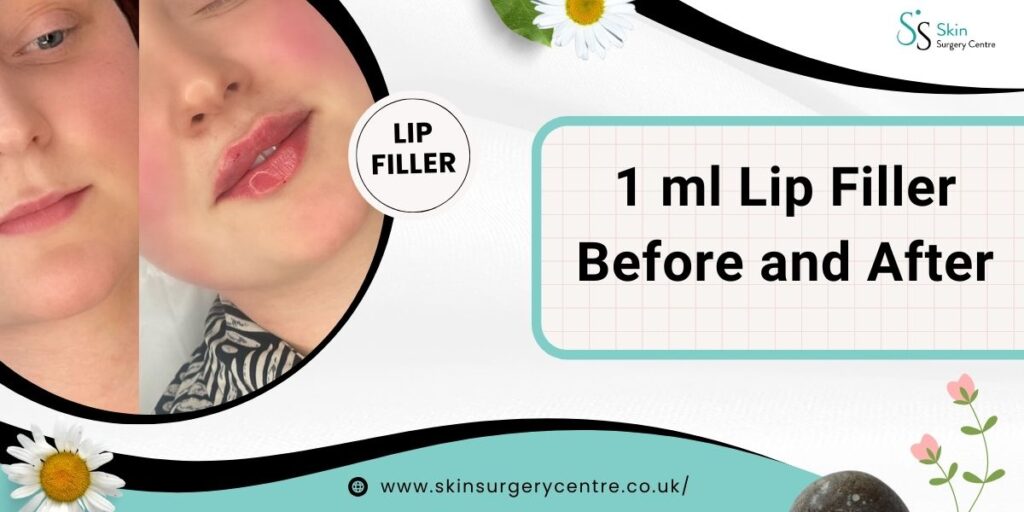
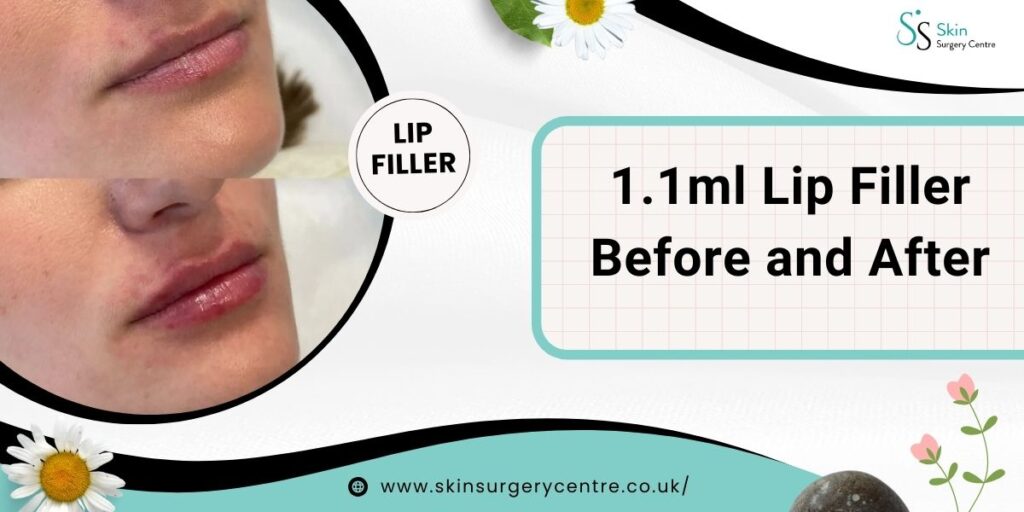
Are you considering ways to achieve fuller, well-defined, and more symmetrical lips with 1.1ml lip filler? Whether this is your...
For people who are thinking about having their lips done, one of the most common questions is, “How much does...
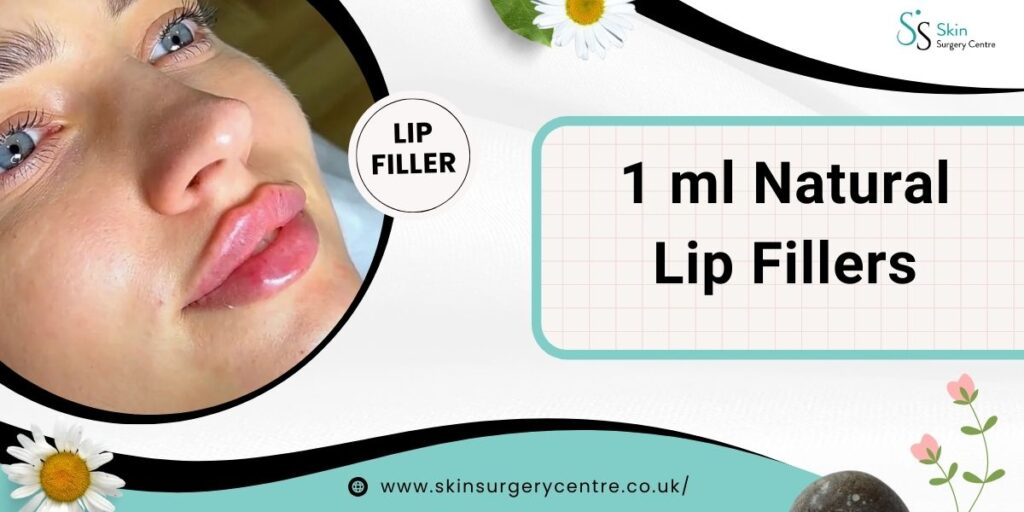
The aesthetic procedure 1ml natural lip fillers is gaining more popularity in this day and age. This particular measurement is...
According to Beauty Tech industry trends, lip augmentation continues to grow in popularity, and for good reason. If you are...