

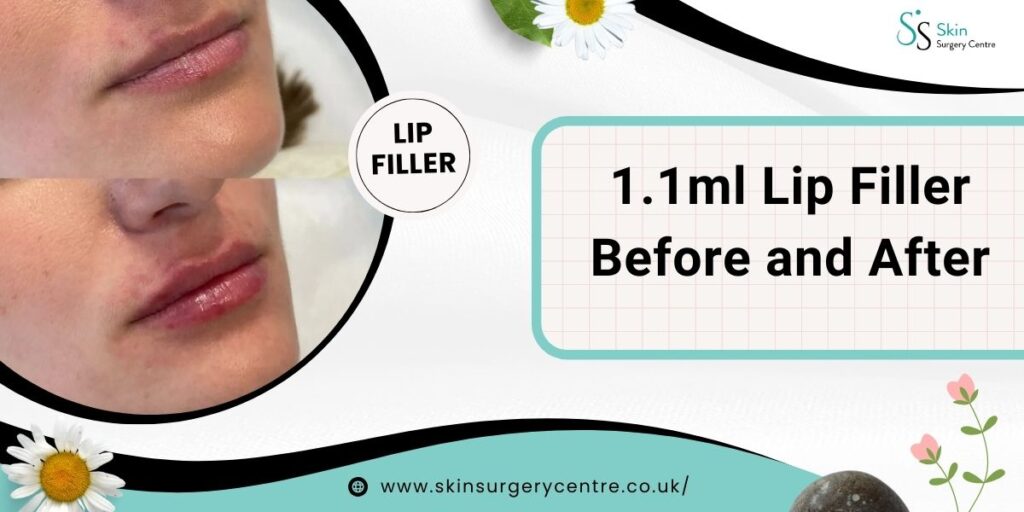
1.1 ml Lip Filler Before and After: What Results To Observe
Lip fillers have become one of the most sought-after non-surgical cosmetic enhancements due to their efficiency, customisability, and minimal downtime....
Are you thinking about getting lip fillers or have you recently had them done?
As with all cosmetic procedures, lip fillers have some side effects, and swelling is one of them. Understanding the reason behind the swelling and how to manage it can aid considerably in recovery.
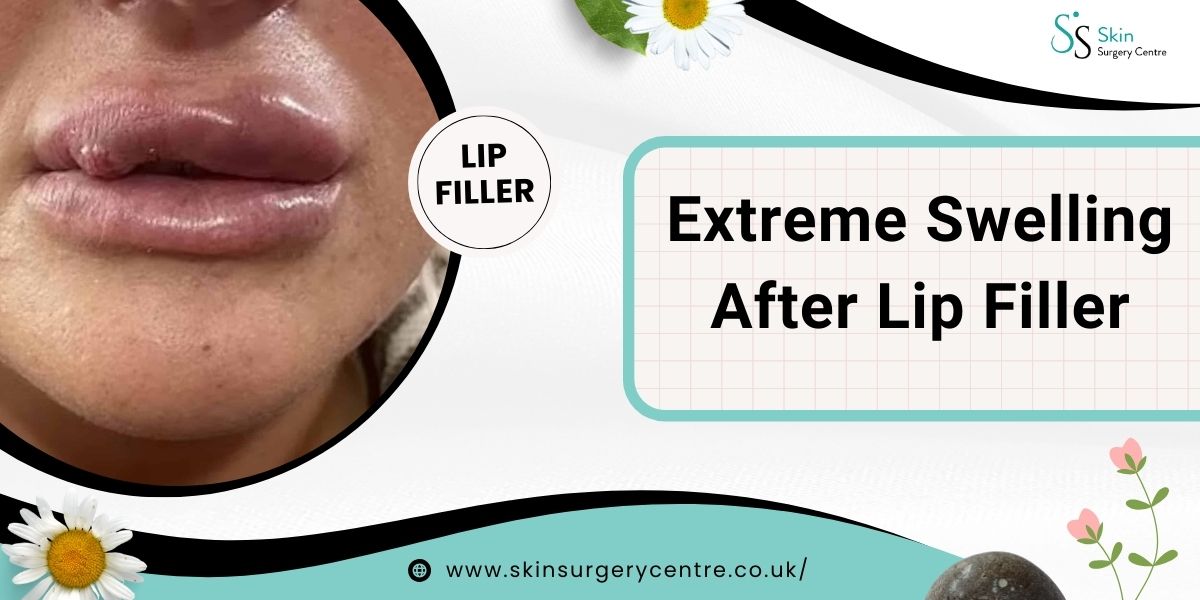
If extreme swelling is worrying you, this guide will explain why it occurs, how long it lasts, and when it is necessary to seek medical attention. This information will help ease any worries and help you prepare for your lip filler experience.
Swelling after lip fillers is an expected symptom. It is your body reacting to the filler insertion. Below are some of the common reasons:
A sequence of injections leads to the trauma of the tissues that the lip filler is placed in. Given there is some trauma to the lip tissues, swelling is expected post filler insertion.
Your body’s natural response to trauma involves greater blood supply to the region coupled with a troop of white blood cells known as leukocytes. And this mobilisation, which is directed towards healing, controls inflammation by cascading damage to leukocytes, bringing about bleeding which after some time subsides, leading to a reduction in swelling.
There is always a small chance that a single blood vessel may be cut when fillers are added. Such damage could result in bruising and extra swelling in the area.
The majority of lip fillers are made from hyaluronic acid, which is known for its capacity to hold onto water. While this is great for pouting lips, it can cause temporary enhancement of fluid retention, which adds to swelling.
Some people may suffer from an uncommon allergic reaction to the lip filler, and some fillers could cause swelling and need to be treated urgently.
Understanding how the lips will appear in the post-procedure phase will help ease one’s mind. Here’s how the swelling looks over time:
Right after the procedure, swelling will start as a result of the filler as well as the injections. At this point, the lips are expected to feel firm and look bigger than reality.
In the first few days, most people will have the maximum amount of swollen lips. The tenderness in the area should not concern you; during these days, your lips will most likely feel too soft.
Roughly around the 4th or 5th day, the swelling goes down significantly. You should be noticing some positive changes in the proportions of your lips.
You should be at this stage as the swelling is now completely resolved. Your lips should feel soft and tend to look natural in size and shape. If the swelling persists beyond this stage, make sure to reach out to your practitioner.
Certain swelling is hard to avoid; however, it can be managed. Follow these tips to manage post-filler swelling with effective ease.
Inflammation can be reduced by using a cold compress or an ice pack wrapped in a towel. It should be applied intermittently during the first 48 hours post-treatment.
While sleeping or resting, keeping your head elevated can aid improvement in blood circulation while reducing the swelling in the afflicted region.
Keeping yourself hydrated is beneficial during recovery and helps in removing any fluids that may be retained around the injection area.
Natural remedies such as arnica supplements and fresh pineapple can be helpful as they contain bromelain and are known to aid in reducing inflammation and bruising.
Avoid alcohol, aspirin, ibuprofen, and vitamin E one week prior and one week post treatment. These substances could heighten the chances of bruising and swelling.
Do not engage in exercises that increase blood circulation to your face or heavy exercise for 24–48 hours post treatment.
Mild to moderate swelling after lip fillers is considered normal and expected. However, swelling may be considered abnormal if it:
Any unusual or escalating symptoms should always be reviewed by a qualified medical professional.
Most cases of swelling are temporary; however, there are some cases that require professional help, these include:
If swelling goes beyond the casual 2 weeks mark and does not improve, reach out to your aesthetician or healthcare provider right away.
It is advisable to get any pain with swelling checked out. This may be due to some other complications like infection or vascular occlusion.
Get medical assistance right away if streaks of red or other colours start to surface. This is usually indicative of some infection or improper blood circulation.
Seek immediate medical attention if you experience:
These symptoms require urgent assessment by a medically trained injector or emergency care provider.
Lip fillers are bound to come with some swelling. The good part is that with care, most of it goes down after a few days. Knowing the reasons behind the procedure’s swelling and having it done by a professional are important for having an easy experience.
Need more advice on cosmetic procedures? Or perhaps some guidance on how to choose the right professional? If so, then do not forget to keep reading and ensure that every treatment is safe and useful.
A: Extreme swelling can be normal initially, but worsening pain, colour change, or swelling lasting beyond two weeks should always be medically assessed.
A: Most swelling peaks within 1–3 days and settles within 7–14 days.
A: Yes. Hyaluronic acid attracts water, which can temporarily increase swelling.
A: No. Massage should only be done if advised by your practitioner.
A: If swelling worsens, becomes painful, or does not improve after two weeks.
Extreme swelling after lip filler can be alarming, but in most cases it is part of the body’s natural healing response.
Understanding the swelling timeline, following aftercare advice, and recognising warning signs are key to a safe recovery.
Always prioritise treatment by a qualified, medically trained practitioner and seek professional advice if symptoms feel unusual or concerning.

Lip fillers have become one of the most sought-after non-surgical cosmetic enhancements due to their efficiency, customisability, and minimal downtime....
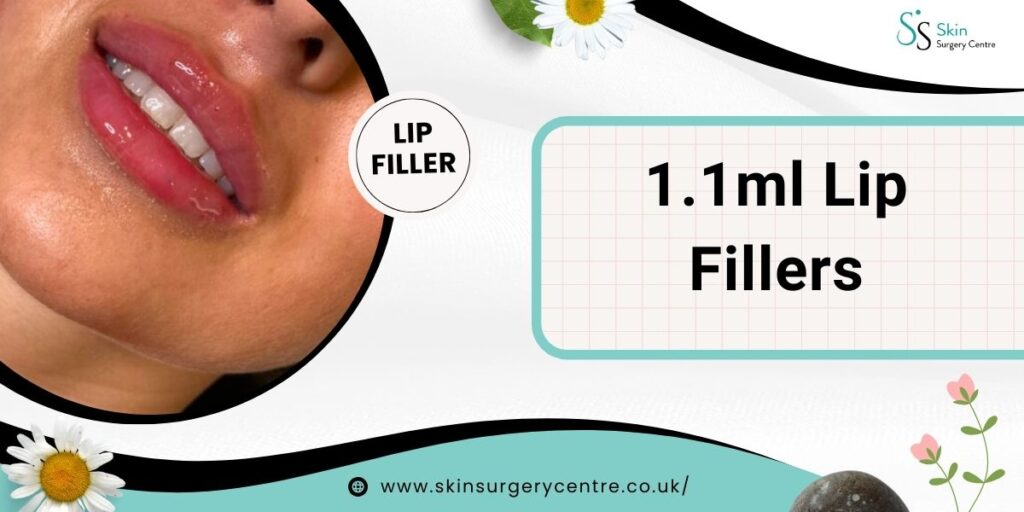
Are you considering ways to achieve fuller, well-defined, and more symmetrical lips with 1.1ml lip filler? Whether this is your...
For people who are thinking about having their lips done, one of the most common questions is, “How much does...
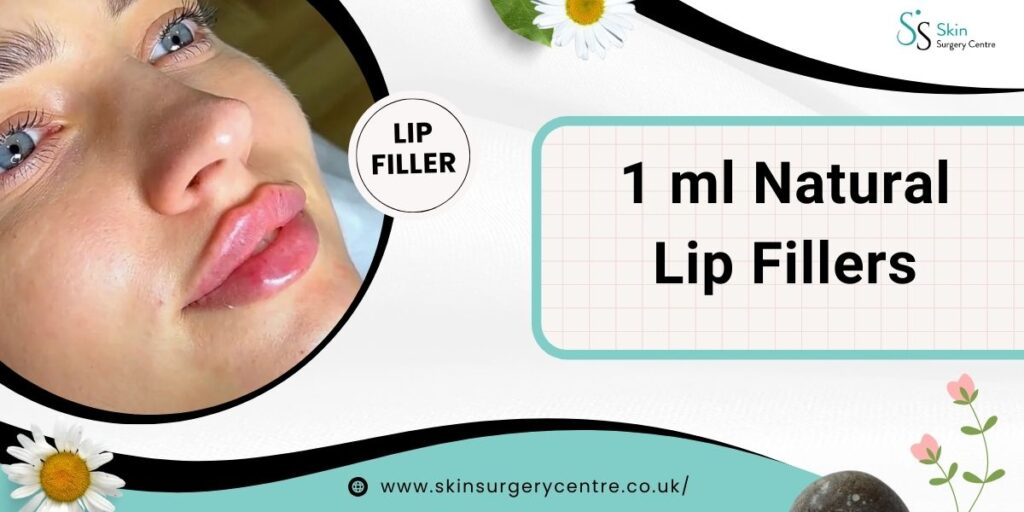
The aesthetic procedure 1ml natural lip fillers is gaining more popularity in this day and age. This particular measurement is...
According to Beauty Tech industry trends, lip augmentation continues to grow in popularity, and for good reason. If you are...