

1.1 ml Lip Filler Before and After: What Results To Observe
Lip fillers have become one of the most sought-after non-surgical cosmetic enhancements due to their efficiency, customisability, and minimal downtime....
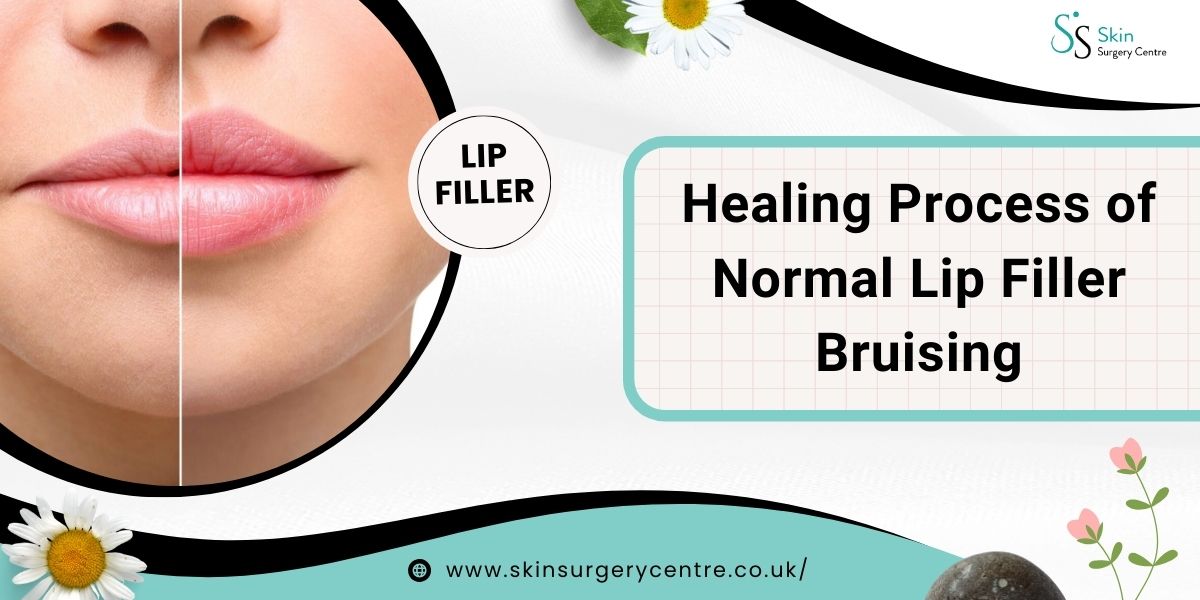
Many people searching for the healing process of normal lip filler bruising want reassurance about what is expected versus what may require medical review. This guide explains typical recovery stages, aftercare, and warning signs, based on widely accepted UK clinical practice.
Getting lip fillers is a go-to procedure for making cosmetic enhancements, giving your lips a fuller, more contoured look. Like any cosmetic surgery, it’s crucial to be aware of the associated risks and side effects of lip fillers such as bruising, swelling, and recovery time.
This blog post will detail the recovery phase concerning bruising and swelling, general aftercare instructions, and most importantly, realistic expectations during the lip-enhancement process.
Slight bruising or swelling is to be expected after a lip filler injection. These lesions occur as a consequence of the injection when the blood vessels underneath the skin are affected for a short duration. This is, however, completely fine and temporary.
The first 24 to 48 hours following the surgery are the most critical as the maximum degree of swelling is experienced. This happens due to the body’s inflammatory mechanisms reacting to the trauma from the needles. You will certainly feel some soreness and tenderness and skin discoloration is most likely in the area surrounding the injection sites.
This is the stage where the swelling starts subsiding. You will notice shrinkage in volume and the bruising will lighten.
By the end of the first week, most of the bruising and swelling should have greatly subsided. At this point, the lips are beginning to take their intended shape and size, though there may still be slight swelling.
For some people, minimal swelling can remain for up to two weeks. After this time, the lips are expected to be fully settled showing the results of lip filler treatment.
With proper aftercare, healing time can be optimised. Here are some of the best tips to decrease bruising and swelling for a smoother recovery.
During the first 24 hours after the treatment, bruising and swelling can be reduced by gently applying a cold compress to the area. Just be cautious, do not apply any direct pressure as this will shift the filler.
Ensure you are drinking sufficient amounts of water, this will aid recovery, improve hydration and looking after the body aids in recovery.
Use an extra pillow so you can rest on your back with your head slightly elevated. This might aid in relieving swelling that could develop while sleeping.
Refrain from consuming any alcohol for 48 hours after your procedure. Because alcohol is a blood thinner, it increases the likelihood of bruises while interfering with the body’s natural healing process.
High-intensity exercises, hot baths, and saunas are bound to increase the blood flow, worsening the swelling. It is best to stay away from these activities for 24-48 hours after treatment.
To prevent irritating your lips, do not wear makeup on them for the first 24 hours. Avoid massaging or pressing the area unless you have explicit instructions from your healthcare provider.
Your choice of lip filler may either increase or reduce the swelling and bruising that are bound to occur.
Modern lip fillers are mostly made from hyaluronic acid (HA), a substance that is already available in the body. These fillers pull water and hold it back which would cause temporary swelling, but eventually settle to a shaped and nourished appearance. HA fillers that are very popular include Juvederm and Restylane.
Unlike previously when these were in vogue, due to the limited outcome and shorter lasting period, they are not used now.
They usually do not result in as much swelling, but have mostly been replaced by HA-based fillers.
Every aesthetician has a unique procedure and recovery plan for every filler type. Discuss your goals, preferences, and any relevant medical history with your healthcare provider to help you make the most tailored approach possible.
A professional consultation is particularly important if you bruise easily, take blood-thinning medication, or have underlying medical conditions that may affect healing.
Bruising sometimes accompanies needles inserted into the body. Knowing what to expect can help ease your mind.
Bruises stem from the purple or blue discolouration that marks the vicinity of the injection sites. These marks tend to change to yellow or green with time as they undergo the healing process.
Although bruising tends to be mild, they warrant attention, such as bordering on having a firm lump beneath your skin; otherwise known as a haematoma. Untreated haematomas can have dire consequences. If you suspect haematomas, or if you notice abnormal swelling, bruising, or signs of an infection such as becoming red, warm, or developing pus, contact your provider right away.
Sudden worsening pain, increasing blanching, or colour changes beyond normal bruising should always be reviewed urgently by a qualified medical professional.
The healing process is best managed by understanding that there are stages to progress through. Preparing for what is to come will assist in managing the final result.
Once the lip fillers have been injected, allow a two-week period for your lips to take their final form.
The truth is that it is normal for your lips to look uneven or feel slightly firmer in this phase, so manage your expectations accordingly.
Your healthcare provider’s skill and experience greatly influence the risks and the efficacy of achieving natural results. Always go for cosmetic procedures with a licensed practitioner.
Swelling and bruising are temporary, but part of the process. Taking proper aftercare steps, as well as following provider instructions, makes the experience much better.
Some individuals may experience a longer healing process for normal lip filler bruising, including those who:
In such cases, closer follow-up with a qualified practitioner is advised.
A: Mild to moderate bruising is common and usually part of the normal healing process. Severe pain, increasing discolouration, or blanching should be assessed by a medical professional.
A: Most bruising improves significantly within 5–7 days, with full resolution typically within two weeks.
A: Makeup should generally be avoided on the lips for the first 24 hours. After this period, light coverage may be used if advised by your practitioner.
A: Contact your provider if bruising worsens, becomes painful, shows signs of infection, or does not improve within two weeks.
Lip fillers may bruise and swell, but remember that these are normal and temporary. Following an informed approach to healing with aftercare, a trusted provider, and knowledge of the timelines means clear, beautiful lips with minimal discomfort.
If there are additional concerns regarding your recovery, consulting a healthcare provider should be done without hesitation. Remember, beauty alterations are a personal journey – taking time to heal fully will guarantee that stunning results will meet expectations.
If you are unsure whether your recovery falls within the normal healing process for lip filler bruising, arranging a review with a qualified UK aesthetic practitioner can provide reassurance, early intervention if needed, and safe guidance tailored to your situation.

Lip fillers have become one of the most sought-after non-surgical cosmetic enhancements due to their efficiency, customisability, and minimal downtime....
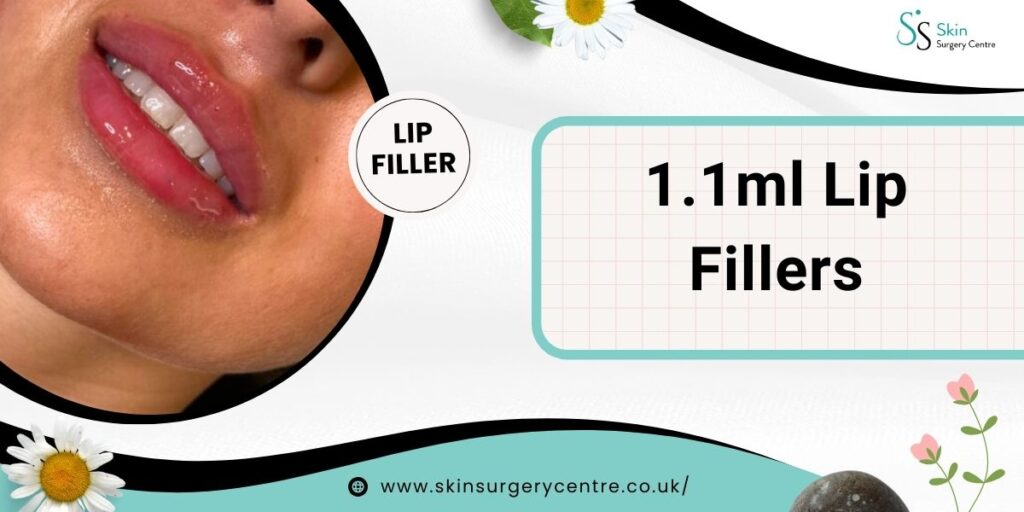
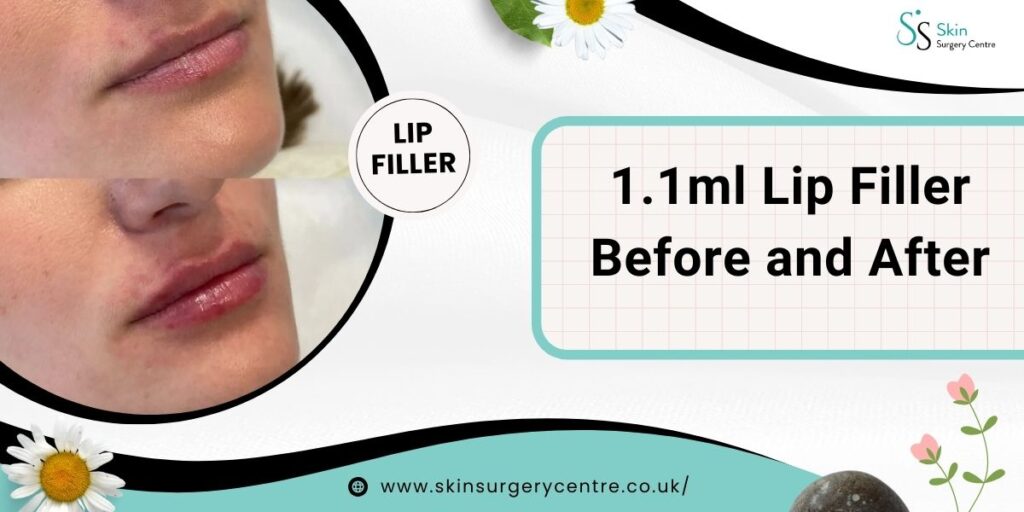
Are you considering ways to achieve fuller, well-defined, and more symmetrical lips with 1.1ml lip filler? Whether this is your...
For people who are thinking about having their lips done, one of the most common questions is, “How much does...
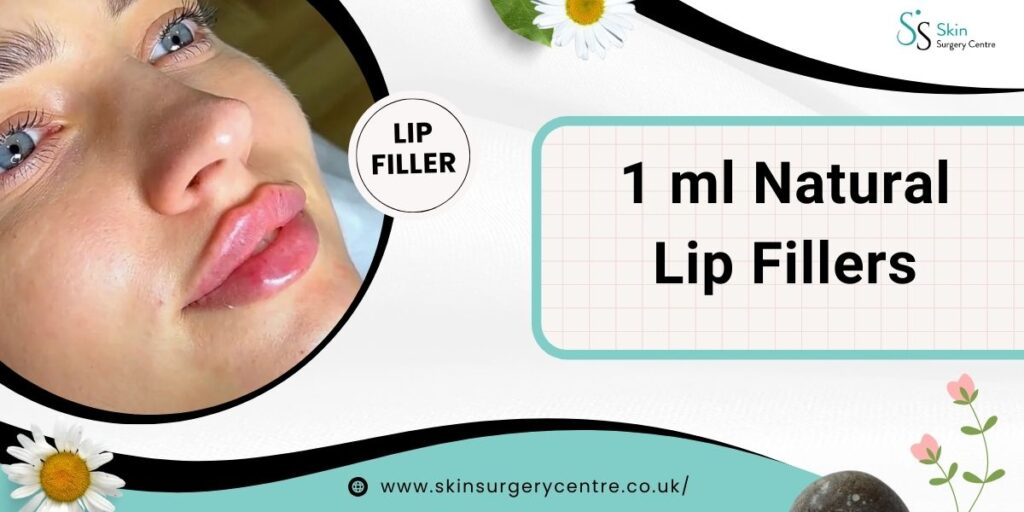
The aesthetic procedure 1ml natural lip fillers is gaining more popularity in this day and age. This particular measurement is...
According to Beauty Tech industry trends, lip augmentation continues to grow in popularity, and for good reason. If you are...