


1.1 ml Lip Filler Before and After: What Results To Observe
Lip fillers have become one of the most sought-after non-surgical cosmetic enhancements due to their efficiency, customisability, and minimal downtime....
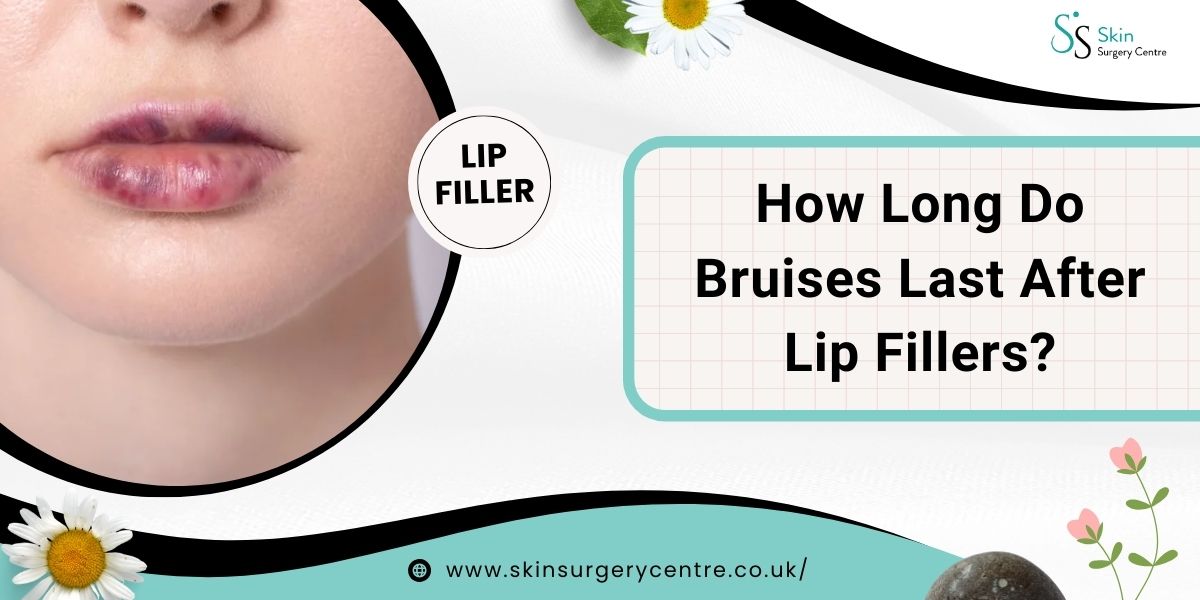
Lip filler injections have become one of the most sought-after aesthetic procedures for enhancing lip volume and definition. While the treatment is widely performed and generally considered safe when carried out by qualified practitioners, bruising is a common and expected side effect. Understanding how long does lip filler bruise last and how to manage it can make recovery far less stressful.
This guide explains the bruising timeline, why bruises occur, what affects healing speed, how to minimise bruising, and when medical review is important.
Bruising after lip fillers happens because the lips have a dense network of blood vessels. When filler is injected, small vessels can be disrupted.
Common causes include:
Mild bruising is a normal part of the healing process and not usually a cause for concern.
Every person heals differently, but this is the typical bruising timeline after lip fillers.
If bruising persists beyond two weeks, medical advice should be sought.
Several factors influence healing speed and bruising duration.
Genetics, circulation, and overall health affect how quickly bruises fade.
Thinner skin and more fragile blood vessels may bruise more easily.
Blood-thinning medications or supplements can increase bruising risk.
Proper aftercare, such as cold compresses and rest, can significantly shorten recovery time.
Experienced injectors tend to cause less tissue trauma, reducing the severity and duration of bruising.
While bruising can’t always be avoided, these steps may help minimise it.
Most bruising is harmless, but seek medical advice if you experience:
Bruising after lip fillers is common and usually temporary. For most people, lip filler bruises last between 7 and 14 days, gradually fading as the body heals.
Understanding the healing timeline, following proper aftercare, and choosing a skilled practitioner can significantly reduce both the severity and duration of bruising.
If you’re considering lip fillers or have concerns after treatment, a consultation with an experienced aesthetic professional can help ensure safe treatment and a smooth recovery.
A: Most bruises fade within 7–14 days.
A: Light makeup may be used after 24–48 hours if advised by your practitioner.
A: No. Bruising is a common and expected side effect.
A: Not always, but experienced technique and good aftercare reduce risk.
If you’re concerned about bruising after lip fillers or want personalised advice on recovery, a consultation with a qualified aesthetic practitioner can provide reassurance and tailored aftercare guidance to help you heal confidently.
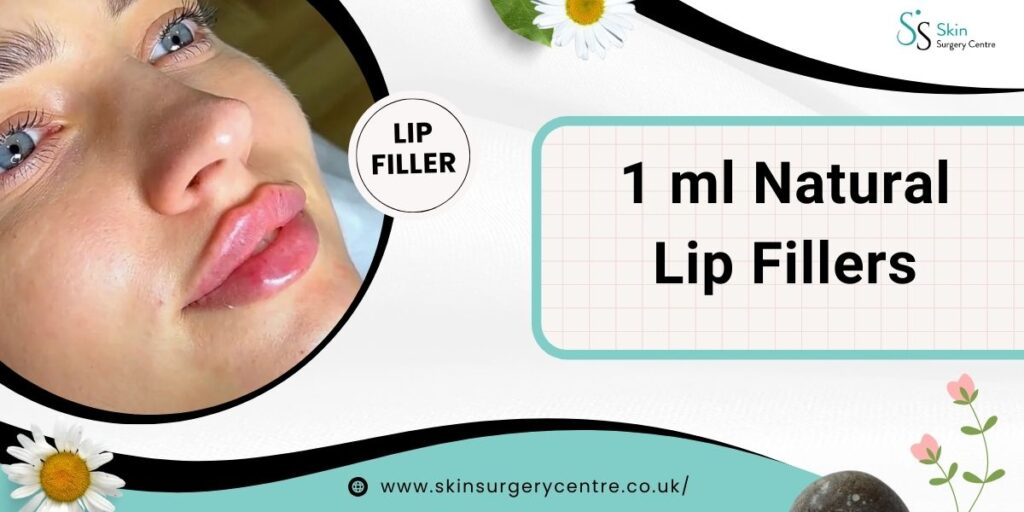
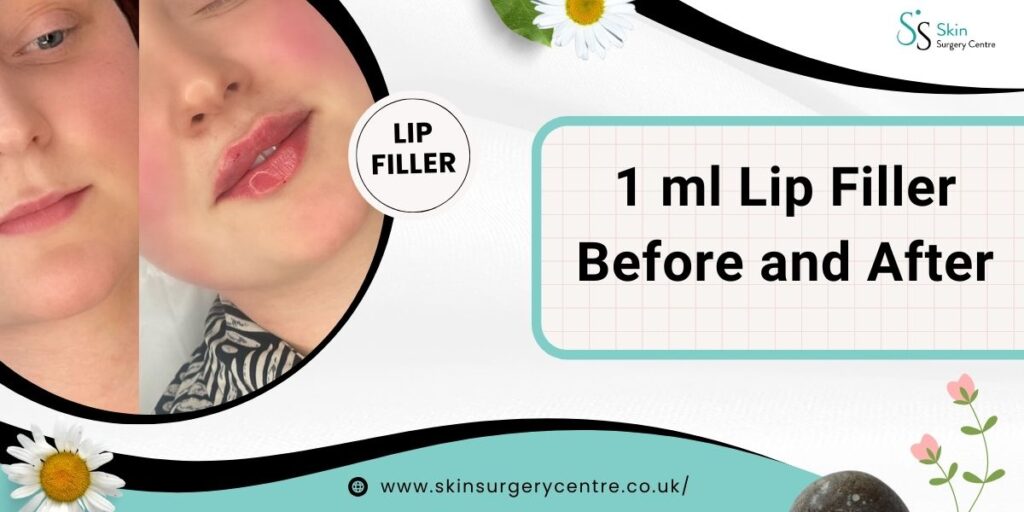

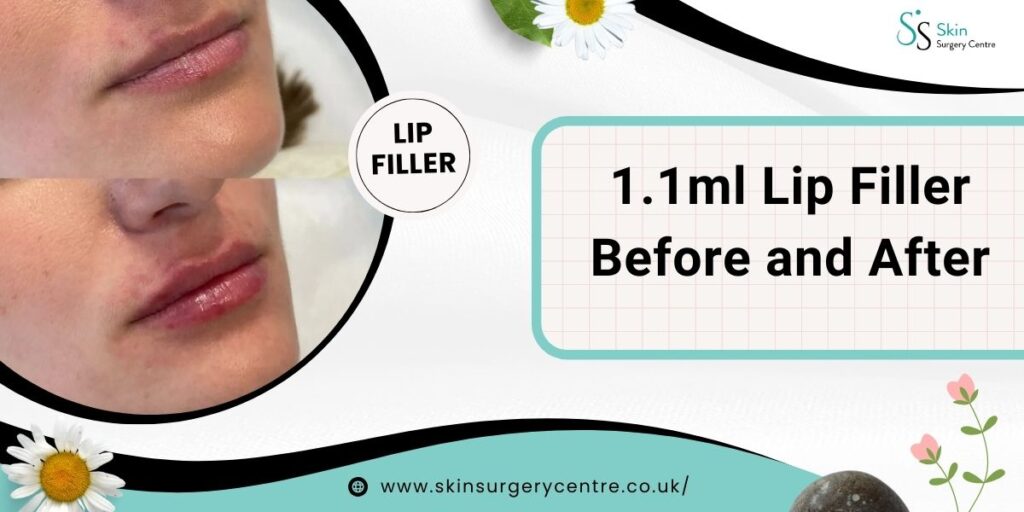
Lip fillers have become one of the most sought-after non-surgical cosmetic enhancements due to their efficiency, customisability, and minimal downtime....
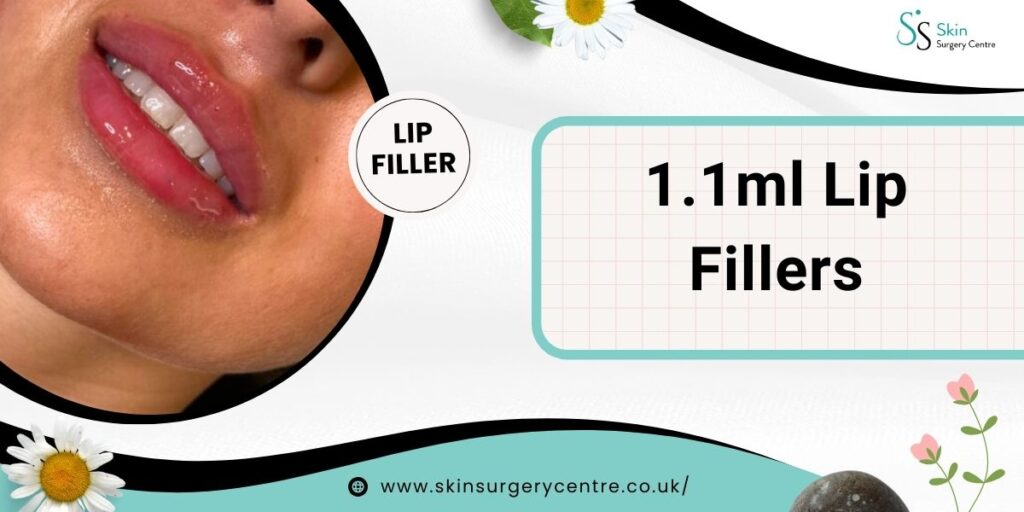
Are you considering ways to achieve fuller, well-defined, and more symmetrical lips with 1.1ml lip filler? Whether this is your...
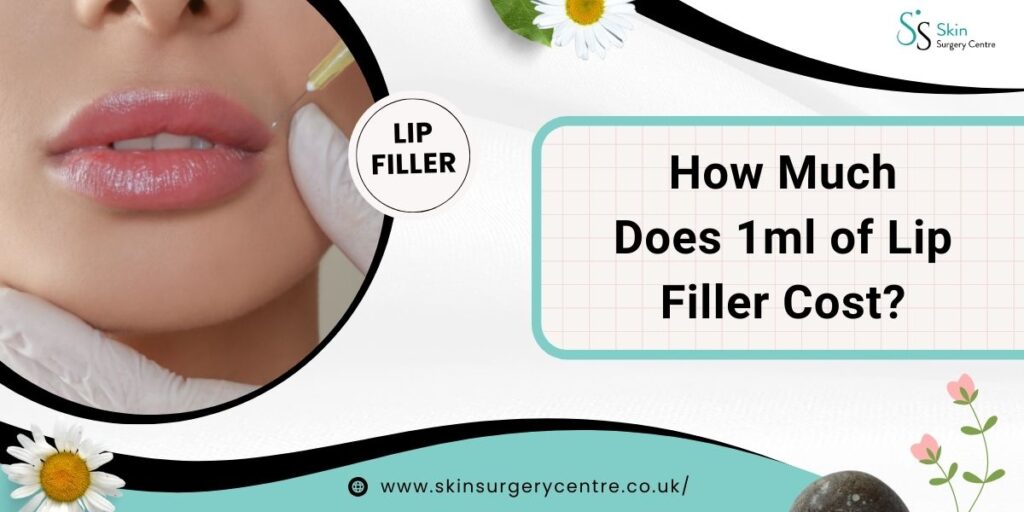
For people who are thinking about having their lips done, one of the most common questions is, “How much does...
The aesthetic procedure 1ml natural lip fillers is gaining more popularity in this day and age. This particular measurement is...
According to Beauty Tech industry trends, lip augmentation continues to grow in popularity, and for good reason. If you are...