



1.1 ml Lip Filler Before and After: What Results To Observe
Lip fillers have become one of the most sought-after non-surgical cosmetic enhancements due to their efficiency, customisability, and minimal downtime....
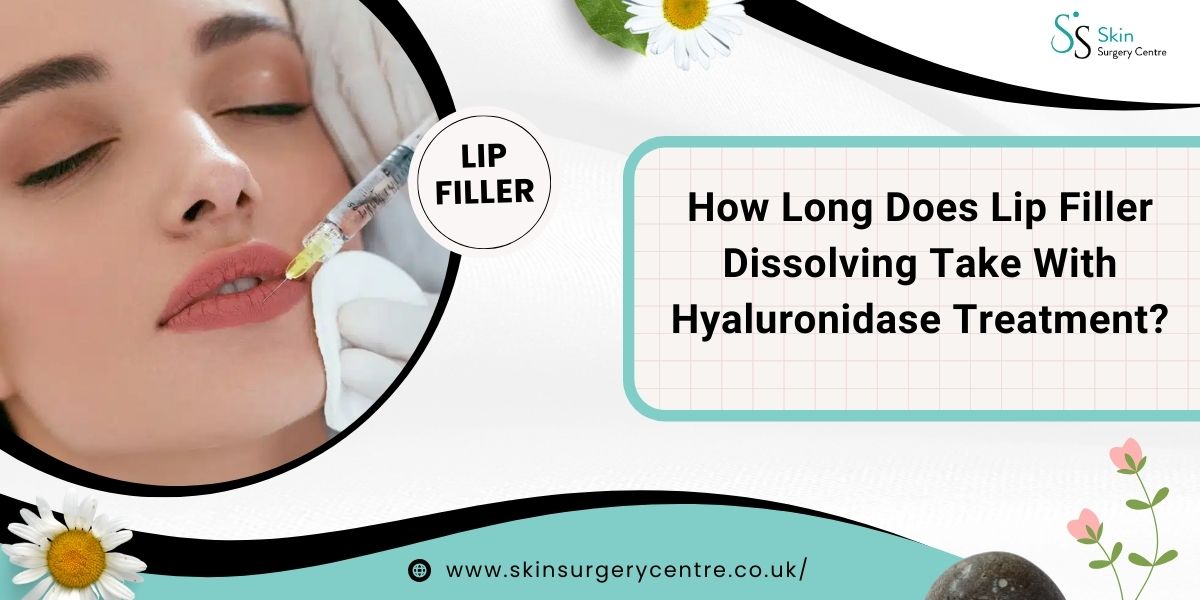
Getting lip fillers can seriously enhance your appearance. However, some individuals may not achieve the results they were hoping for and might wish to reverse the fillers.
Hyaluronidase is the go-to solution for those trying to reverse lip fillers. But how long does lip filler take to dissolve with hyaluronidase? Here’s everything you need, covering the science of hyaluronidase to timelines and aftercare.
This is a bit complex. Hyaluronidase is one example of an enzyme that ‘attaches to’ hyaluronic acid (contained in most lip fillers) and breaks it down.
This allows your body to return to its normal state. The body can eliminate excess fillers without any stress. This is commonly utilised by trained professionals to rectify cases of overfilling, asymmetry, or misplaced product.
If you are looking to completely reverse a procedure or just refine it, hyaluronidase is ideal for you. Although the process and factors affecting the treatment results are rather intricate.
Hyaluronidase begins to take effect the instant it is injected. Within a matter of minutes, it starts to break apart the fillers by dissolving the bonds that maintain the structure of the hyaluronic acid molecules.
This allows the fillers to dissolve. Just because hyaluronidase acts quickly does not mean the results will be instantly apparent.
Although the seal created by high levels of hyaluronidase concentration is dismantled rapidly, perceiving changes can take a bit longer. In this case, external factors can include muscular swelling, which is a common artificial barrier that dilutes the observable changes due to treatment.
In the case of hyaluronidase, while the primary mediating agent’s action takes effect almost immediately, hyaluronidase only has a measurable duration of action when its concentration is halved, which occurs after approximately two minutes.
This means that the duration for which the chemical substance is effective is minimal. Nonetheless, the effects of active hyaluronic acid typically last until the filler is broken down, which will occur within twenty-four to forty-eight hours.
The brief window away from the norm is crucial in determining the burden that hyaluronidase can place on the naturally occurring hyaluronic acid in the human dermis. Therefore, it is exceedingly valuable when applied correctly by an expert registered in the aesthetics field.
It does take some time for a change to be noticeable. Although the enzyme begins working immediately, lip swelling and bruising can obscure the visibility of changes.
In most cases, within forty-eight hours, the filler is less apparent. However, the full effect is only achieved after all swelling subsides, which takes several days, around a week.
As with everything else, the amount of filler injected, your body’s natural healing processes, and other individual-specific factors play a significant role in determining the timeline.
In most cases, all a person requires is one session of hyaluronidase injections to dissolve unwanted lip filler. However, the quantity of filler and the desired correction will greatly influence the need for additional sessions.
The aesthetic practitioner will evaluate your lips throughout the consultation in order to recommend the right amount of hyaluronidase and decide if more than one appointment is necessary.
Remember to provide your lips with enough time to rest and recover before considering any further procedures after the lip filler has been removed. Specialists suggest waiting a minimum of two weeks post-hyaluronidase injections to allow swelling, bruising, and residual enzyme activity to settle fully.
Moreover, the patient may experience mild redness, tenderness, or bruising around the injection site, which usually resolves within a few days.
Having hyaluronidase treatment with an accredited professional is considered safe when used appropriately to dissolve hyaluronic-acid-based fillers.
However, like all medical procedures, there are risks. Rare allergic reactions can occur, which is why a patch test may be recommended in some cases.
Selecting a trained, medically qualified injector significantly reduces risk and ensures appropriate dosing and placement.
Contact your practitioner promptly if you experience:
Early assessment helps prevent complications and supports safe recovery.
For those seeking to safely and effectively remove lip fillers, hyaluronidase is a reliable option. While its action is immediate, visible results take time as swelling settles. Understanding the timeline helps set realistic expectations and avoids unnecessary concern.
As a summary:
A: Most hyaluronic-acid fillers break down within 24–48 hours, with visible changes appearing over the next few days.
A: Yes, the enzyme starts working immediately, but swelling can delay visible results.
A: Only fillers made from hyaluronic acid respond to hyaluronidase.
A: In most cases yes, though high-volume fillers may require additional sessions.
A: Most practitioners recommend waiting at least two weeks.


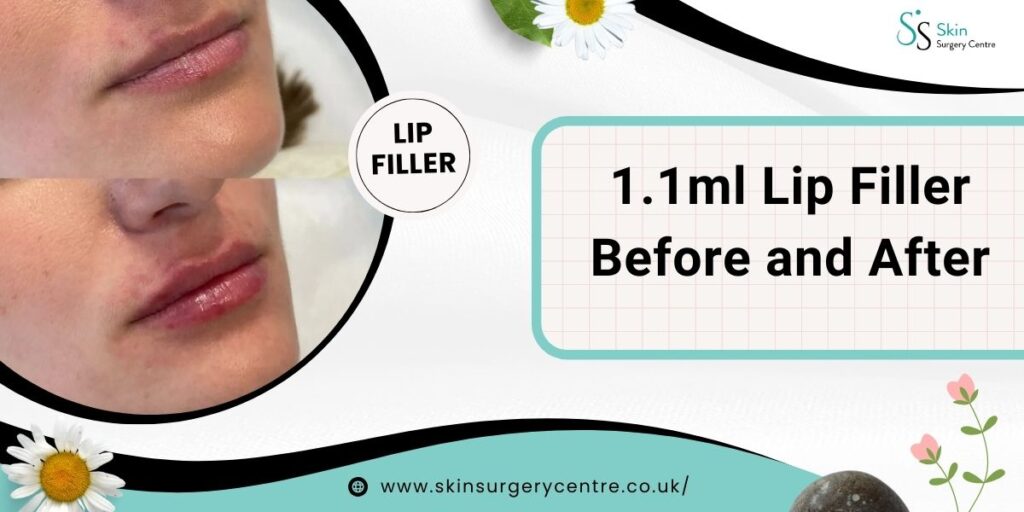
Lip fillers have become one of the most sought-after non-surgical cosmetic enhancements due to their efficiency, customisability, and minimal downtime....
Are you considering ways to achieve fuller, well-defined, and more symmetrical lips with 1.1ml lip filler? Whether this is your...
For people who are thinking about having their lips done, one of the most common questions is, “How much does...
The aesthetic procedure 1ml natural lip fillers is gaining more popularity in this day and age. This particular measurement is...
According to Beauty Tech industry trends, lip augmentation continues to grow in popularity, and for good reason. If you are...