



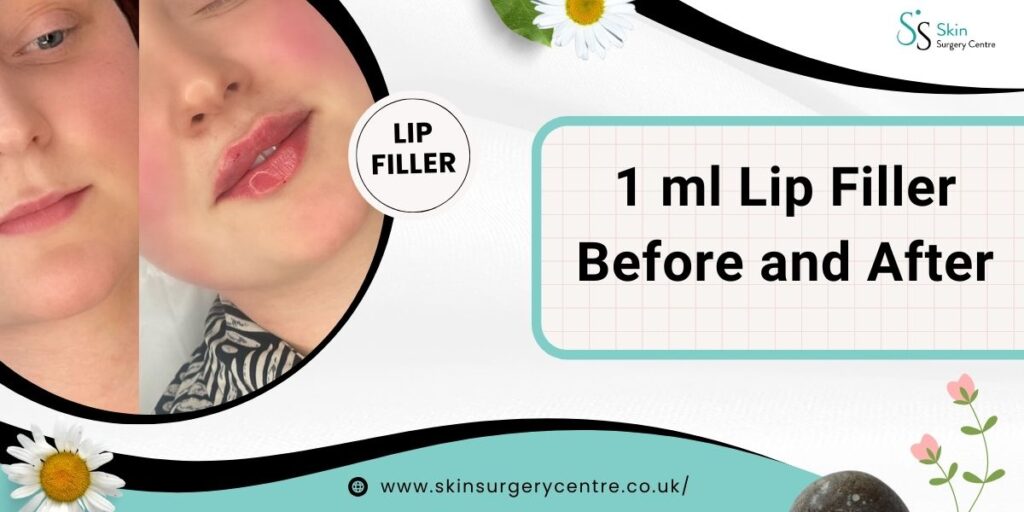
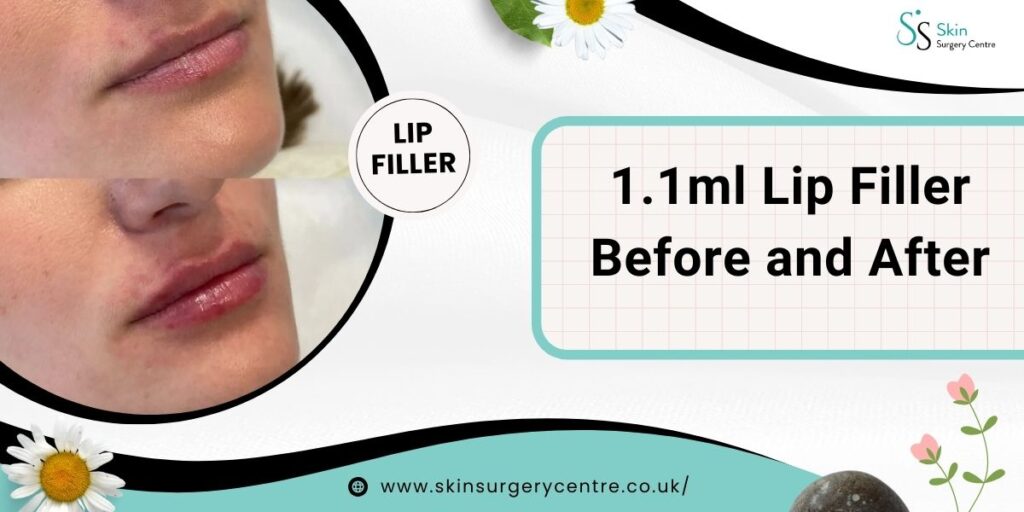
1.1 ml Lip Filler Before and After: What Results To Observe
Lip fillers have become one of the most sought-after non-surgical cosmetic enhancements due to their efficiency, customisability, and minimal downtime....
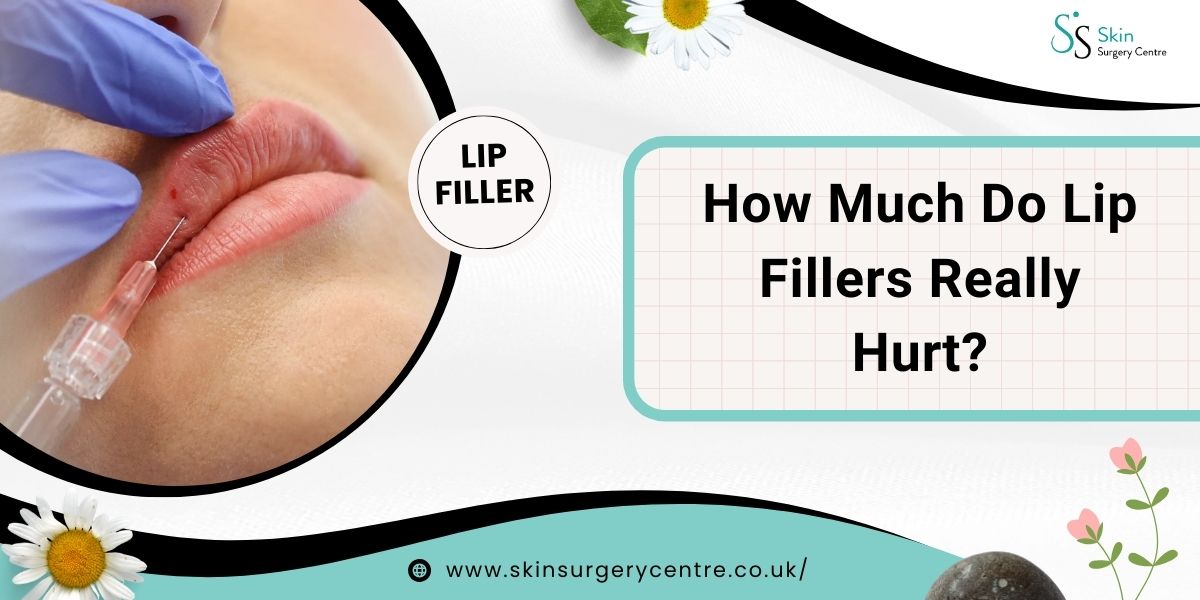
“Will lip fillers hurt?” is probably a question you’ve asked yourself the moment you began contemplating getting fillers. It is understandable. The thought of getting a needle inserted into any part of the face is scary.
Fear not—having an understanding of how the procedure functions and how pain is managed tends to change one’s attitude towards the procedure entirely.
This article covers the level of pain one can anticipate, what factors influence it, and how best to prepare to make the experience as pleasant as possible.
If you’re specifically wondering how much do lip fillers hurt, this guide will help you set realistic expectations before booking an appointment.
The sensation that comes from getting lip fillers is uniquely felt by every individual, but it ranges from a pain intensity of 3 out of 10 to 7 out of 10. The cupid’s bow and the corners of the mouth are some of the most, if not, the most delicate areas, so they tend to be on the higher end of the scale.
Describe the feeling you get when a doctor injects filler on your lips and you get a unique amount basic swelling and pressure on your lips.
Most patients echo the most common description of the experience being like a “bee sting” or an “ant bite”, as the filler is precisely injected. It is far more tolerable than anticipated, although it is conflict far from a spa day kind of experience.
Are you thinking about the upper or lower lip and wondering which one is more sensitive?
The upper one is sharper as it contains more nerves, especially around the cupid’s bow. As far as good news goes, it may be better to focus on the fact that the procedure is often done quickly, so enduring discomfort won’t take long.
Activities such as lip filler injections can get uncomfortable depending on a few factors, each of which is reason enough to be considered.
One of the key deciding factors is the needle’s size, having a direct relationship to comfort during the surgery, as an increase in size also increases discomfort.
More often than not, tools like 32G and 26G are used which allows for a fine needle that is thinner than a human hair on a needle. Considering most surgeons specialise in using ultrafine needles, the tools pose less discomfort.
Speed and instruction of the injection being done also matters greatly when comfort without discomfort is desired.
Proper instructors with adequate skills know that injections done at a quicker pace and at the correct plane of tissue cause less discomfort.
Mid-level clinics with untrained staff and poorly defined protocols can put a patient at risk, just as slower strokes can put a patient at risk of feeling extreme discomfort.
Not all patients find extreme lip fillers soothing. As claimed by most clients, using thinner fillers such as Belotero lean more towards using spread into sections with less swelling and tenderness, which is more than enough for some patients.
Using thicker fillers such as Juvederm Voluma requires more force to pump the filler onto the lips. Consequently, it may result in greater discomfort.
Make sure to inquire with your injector regarding specific types of fillers as it greatly influences how the procedure is felt.
Moreover, lip tissue morphology plays an important role. Patients with greater lip volumetric fat or soft tissue tend to experience less aggressive pain.
In contrast, individuals with greater skin or much less fat tend to find the process significantly more painful.
Largely due to pain being a relative perception, people subjectively define discomfort differently.
The variability in one’s pain tolerance, mental structure before the procedure and general mood during the day of the treatment influence perceived discomfort.
Most certainly. Pain levels drop to 1 or 2 out of 10 for a majority of patients when topical anaesthetics and creams are applied to the skin before dermal filler injection.
Additionally, some fillers contain lidocaine, which helps reduce discomfort during injection.
If pain is a major concern, always discuss this openly with your practitioner. In UK practice, patient comfort is a standard consideration and numbing options are routinely offered.
When the filler appointment is completed, your focus shifts to recovery. Discomfort stays manageable and is temporary after the procedure:
Common Symptoms: a little tenderness, soreness, and swelling on the lips in the first few days.
How Long Pain Lasts: Once the first week passes, almost all tenderness will fade.
If pain worsens rather than improves, or is accompanied by colour changes or increasing swelling, professional assessment is essential.
In comparison with other procedures, lip fillers inject a moderately painful feeling:
For most people, the discomfort is brief and outweighed by the aesthetic outcome.
You should contact your practitioner urgently if you experience:
A: Most people rate lip filler discomfort as moderate and brief, often less painful than expected.
A: Yes, topical anaesthetic significantly reduces discomfort for most patients.
A: Typically yes, due to higher nerve density, especially around the cupid’s bow.
A: Mild tenderness usually settles within a few days and is rarely present beyond one week.
A: Only take medication if advised by your practitioner; avoid blood-thinning drugs unless medically required.
It is true that lip fillers are not completely pain-free, but they are rarely intolerable. With proper technique, numbing measures, and an experienced injector, discomfort is usually short-lived and well controlled.
If pain anxiety is holding you back, a consultation can help clarify expectations and pain-management options before committing.

Lip fillers have become one of the most sought-after non-surgical cosmetic enhancements due to their efficiency, customisability, and minimal downtime....
Are you considering ways to achieve fuller, well-defined, and more symmetrical lips with 1.1ml lip filler? Whether this is your...
For people who are thinking about having their lips done, one of the most common questions is, “How much does...
The aesthetic procedure 1ml natural lip fillers is gaining more popularity in this day and age. This particular measurement is...
According to Beauty Tech industry trends, lip augmentation continues to grow in popularity, and for good reason. If you are...