



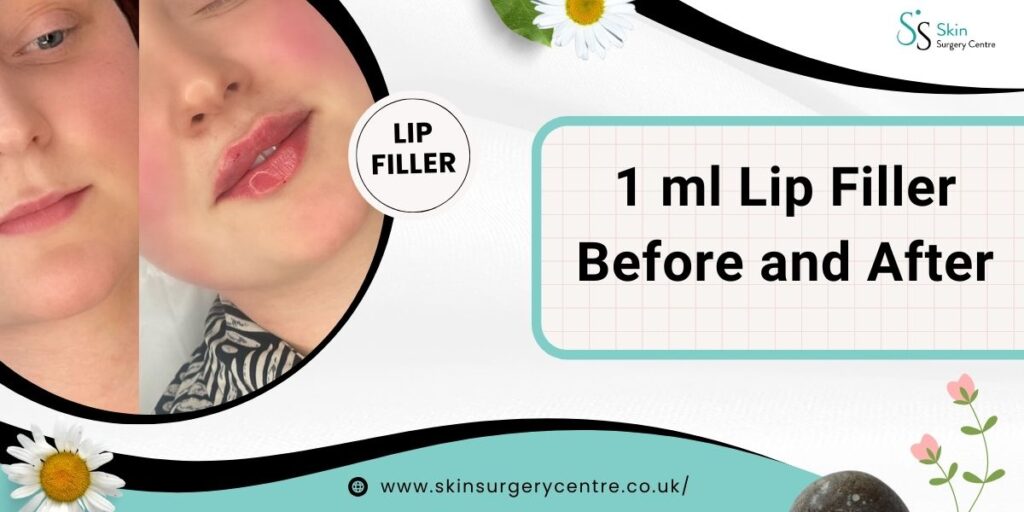
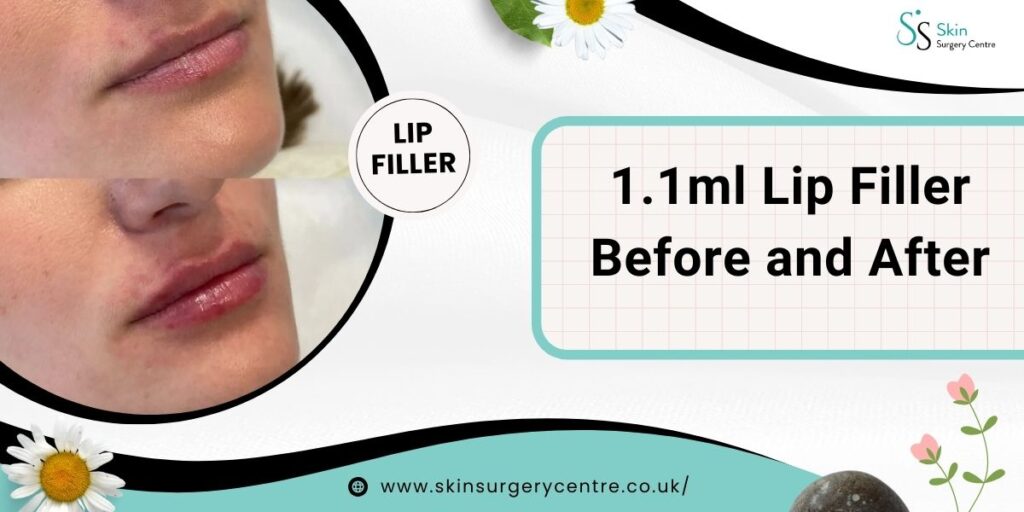
1.1 ml Lip Filler Before and After: What Results To Observe
Lip fillers have become one of the most sought-after non-surgical cosmetic enhancements due to their efficiency, customisability, and minimal downtime....
Just like any other cosmetic procedure, the most frequently asked question when it comes to lip augmentations is “How often will I need to get them?”
The intervals between appointments for touch-ups or refills all depend on factors such as the type of filler you select, your metabolism, and the desired outcomes.
Understanding how long the results last whether you’re a first-time patient or just someone who loves beauty procedures will help you make the right decision.
This blog will walk you through the average duration of lip fillers, factors that influence how often you’ll need them, and tips on how to keep the results desirable.
If you’re specifically wondering how often do you need lip fillers, this guide will help you set realistic expectations before planning ongoing treatment.
On average, most patients require lip filler touch-ups or refills every 6 to 12 months. There is a notable range of individual factors that can affect this number, as well as the type of filler that is used.
Below is a general overview of some common fillers and their durations:
Although these schedules are insightful, personal considerations will impact how long your results endure.
Your lip fillers will not only depend on the brand you choose, but also on other factors including some of the major details listed below.
What matters most is the makeup of your filler. Each product varies in longevity owing to its viscosity, formulation, and level of cross-linking.
How fast or slow the individual filler will break down will depend on the metabolism.
How long the filler lasts may also depend on the number of injections given.
People requiring larger doses will find fillers lasting longer and needing fewer touch-ups, while those requiring smaller volumes may need more maintenance to achieve consistent results.
In the case of having repeated filler sessions done, the results may persist longer with each additional session.
The reason could be that leftover product from prior sessions aids in extending the effects of subsequent treatments.
The frequency of sessions depends on your personal aesthetic goals.
Yes. Many first-time patients notice fillers appear to fade more quickly after their initial treatment.
This is common and usually stabilises after one or two sessions. As tissues adapt and small amounts of product remain, longevity often improves over time.
To uphold your ideal results, a combination of consultations and procedures is essential. Routine check-ins with a knowledgeable provider will greatly enhance the appearance and durability of your fillers.
Scheduling regular visits allows practitioners to make changes in response to how the body evolves over time. Additionally, patients receive tailored recommendations based on their shifting lifestyle, skin, or objectives.
You should book a review if:
Offers these brands have received from their clients showcase the safety and reliability this industry is looking for, alongside the very constancy in results.
When it comes to the best results with lip fillers, understanding your needs is a critical factor. It could be selecting the right brand or committing to regular maintenance; there’s a structured plan everyone can follow based on personal objectives and biology.
To maximise the treatment outlined:
Whether you want a sharp pout or subtle enhancement, lip fillers unlock the door to flexible, customisable beauty solutions. Speak to an expert to create the most suitable plan for you and enjoy the results with confidence.
A: Most people need lip fillers every 6–12 months, depending on filler type and metabolism.
A: Yes. Repeat treatments often improve longevity as some product remains and tissues adapt.
A: Yes. Over-frequent treatments can lead to overfilling or migration, which is why regular professional reviews are important.
A: For many people seeking natural results, annual maintenance is sufficient.
A: Not always. A professional assessment helps decide whether topping up or waiting is better for balance and safety.

Lip fillers have become one of the most sought-after non-surgical cosmetic enhancements due to their efficiency, customisability, and minimal downtime....
Are you considering ways to achieve fuller, well-defined, and more symmetrical lips with 1.1ml lip filler? Whether this is your...
For people who are thinking about having their lips done, one of the most common questions is, “How much does...
The aesthetic procedure 1ml natural lip fillers is gaining more popularity in this day and age. This particular measurement is...
According to Beauty Tech industry trends, lip augmentation continues to grow in popularity, and for good reason. If you are...