



1.1 ml Lip Filler Before and After: What Results To Observe
Lip fillers have become one of the most sought-after non-surgical cosmetic enhancements due to their efficiency, customisability, and minimal downtime....
If you are wondering how often should you get lip fillers, the answer depends on several personal and treatment-related factors, including how your body responds to filler, the type used, and your long-term aesthetic goals.
Plumping your lips or enhancing your smile with lip fillers is a very exciting prospect, but how often do you need to maintain your top-up to hold your look? There are a number of factors, from your body’s metabolism and how easily the filler ‘fills’, to the filler used, which contribute to how frequently you would need to top-up.
This guide covers everything you need to know to plan confidently for your filler treatments. So we will discuss how long fillers last, factors affecting their lifespan, recommended touch-up intervals, important pointers for looking beautiful while ensuring a natural girly glam, and all the rest.
Lip fillers are certainly not permanent, but will last long enough to keep you looking fabulous for months. On most occasions, especially with one’s body response, most fillers tend to last between 6 to 12 months, though the basics of formulation do play a small role.
From a UK clinical perspective, this timeframe is considered normal for hyaluronic acid–based lip fillers used in routine aesthetic practice.
Detailed Explanation:
Depending on the type of filler,
The precise duration will ultimately be determined by both internal factors, such as metabolism, as well as external factors, like the type of product used and your aesthetic goals.
Not all fillers are alike. Some have longer life spans than others:
Your cosmetic practitioner will choose the filler based on your goals, lip anatomy, and desired longevity, and the best options will be provided for your consideration.
It is clear that your metabolism impacts how long your body sustains fillers. A faster metaboliser will break down the filler much quicker in comparison to someone with a slower metabolism, who is more likely to enjoy longer lasting results. While these points are set, it is still something to bear in mind while planning.
Apart from the rate at which fillers are broken down, the volume of filler injected also makes a significant impact. Smaller volumes tend to get broken down much quicker and easier whereas larger volumes are more time-consuming. The balance here is a gradual increase in volume rather than opting for one large increment at once to avoid an overfilled or unnaturally puffy look.
If you are going for something more subtle such as lip enhancement, or perhaps a more dramatic look, full on bold lips. Those leaving the clinic with a bold, pronounced pout are most likely to have added fillers and therefore need more frequent touch-ups. It is necessary to have additional maintenance to achieve and sustain a highlighted look.
For every patient, planning a treatment schedule is key for maintaining a healthy and beautiful lip aesthetic. Here’s what to look forward to:
When venturing into fillers for the first time, it is common to go through two to three sessions in order to effortlessly achieve and maintain the desired results. This is due to the fact that a few incremental applications may be required in order for the fillers to effectively take and create the desired lips.
This staged approach is commonly recommended by experienced UK practitioners to reduce the risk of overfilling and allow the lips to adapt gradually.
The majority of practitioners suggest planning filler touch-ups every 6 to 12 months after the initial year. Regular monitoring would enable your practitioner to optimise consistency based on how you metabolise the filler and what your cosmetic goals are.
Once the lip fillers have been injected, it is necessary to allow time for the lips to heal before any further treatments can be considered. Bruising and swelling post-treatment is perfectly normal for most individuals and within two weeks, subsides. Allowing at least this much time grants you and your practitioner the means to assess results without the risk of overfilling.
Each person responds differently to lip fillers. Routine consultations with a certified practitioner are important for customising your treatment strategy. They monitor the responses from your lips, how long the fillers last, and they make adjustments if necessary.
Caring for your lips after the procedure boosts your chances of the fillers lasting longer. Stay away from direct heat, like saunas and hot yoga, limit intense workouts directly after the procedure, and follow the care guidelines set by your practitioner.
Good aftercare can help preserve results and may reduce the frequency at which top-ups are needed.
Some individuals naturally maintain results for longer periods, including those who:
Top-ups may need to be postponed if you are experiencing:
A professional assessment is always advised before repeating treatment.
Whether it’s a discreet addition or a bold new statement – lip fillers can help you reach your beauty needs. Knowing how long their maintenance and lasting period is makes it easy to book the appointments for a stunning lip look.
Always seek help from a qualified and well-experienced practitioner so that the results will not only be perfectly balanced but also appear natural at the same time.
A: Most people maintain natural-looking lips with treatments every 6 to 12 months, depending on metabolism, filler type, and volume used.
A: Repeated treatments without proper healing time may increase the risk of overfilling or uneven results. A qualified practitioner will advise safe timing.
A: In some individuals, results may appear to last longer after several sessions due to gradual tissue adaptation, but this varies person to person.
Book an appointment with a trusted aesthetic professional so that they can educate you on the specifics of your treatment plan. Refined, plump lips are more attainable than you think. Enhancing your beauty is now more life-changing than ever ─ all with the help of lip fillers!
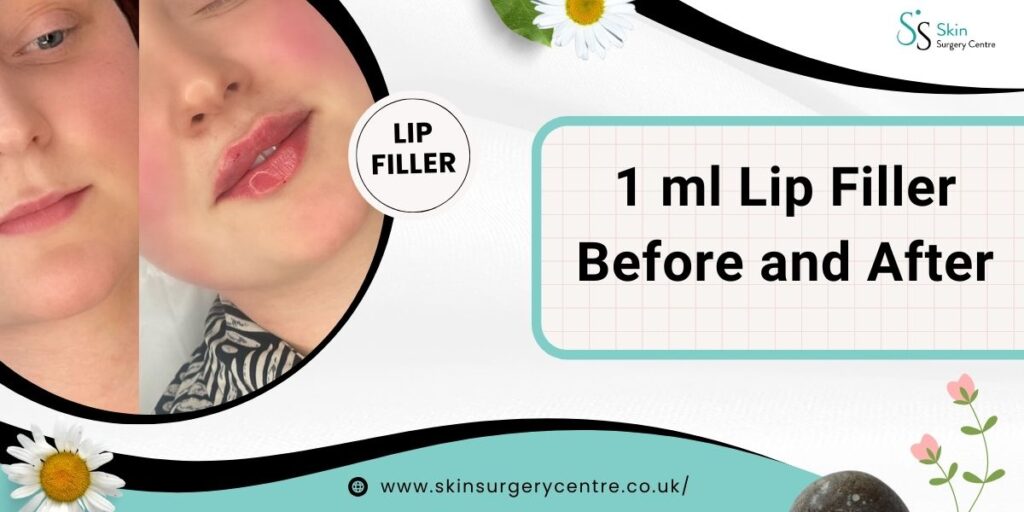

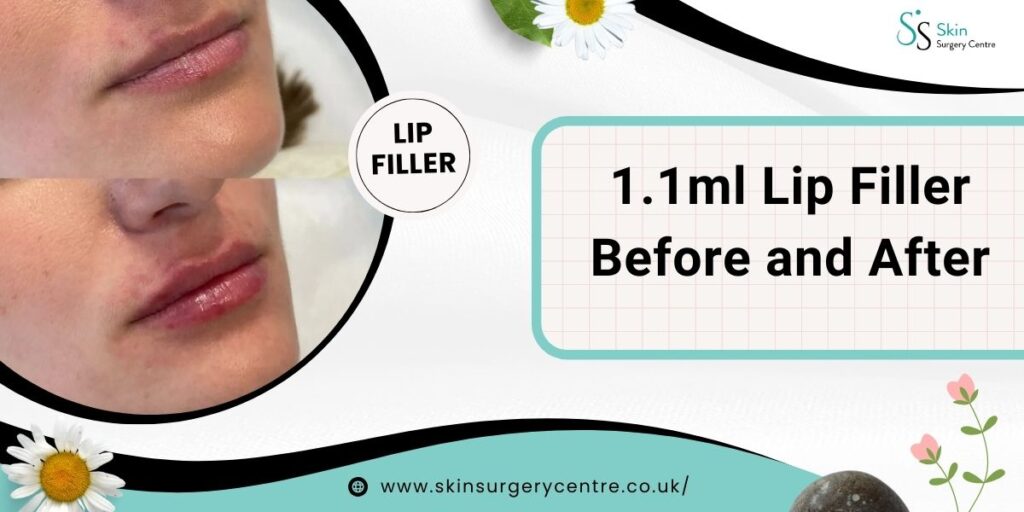
Lip fillers have become one of the most sought-after non-surgical cosmetic enhancements due to their efficiency, customisability, and minimal downtime....
Are you considering ways to achieve fuller, well-defined, and more symmetrical lips with 1.1ml lip filler? Whether this is your...
For people who are thinking about having their lips done, one of the most common questions is, “How much does...
The aesthetic procedure 1ml natural lip fillers is gaining more popularity in this day and age. This particular measurement is...
According to Beauty Tech industry trends, lip augmentation continues to grow in popularity, and for good reason. If you are...