

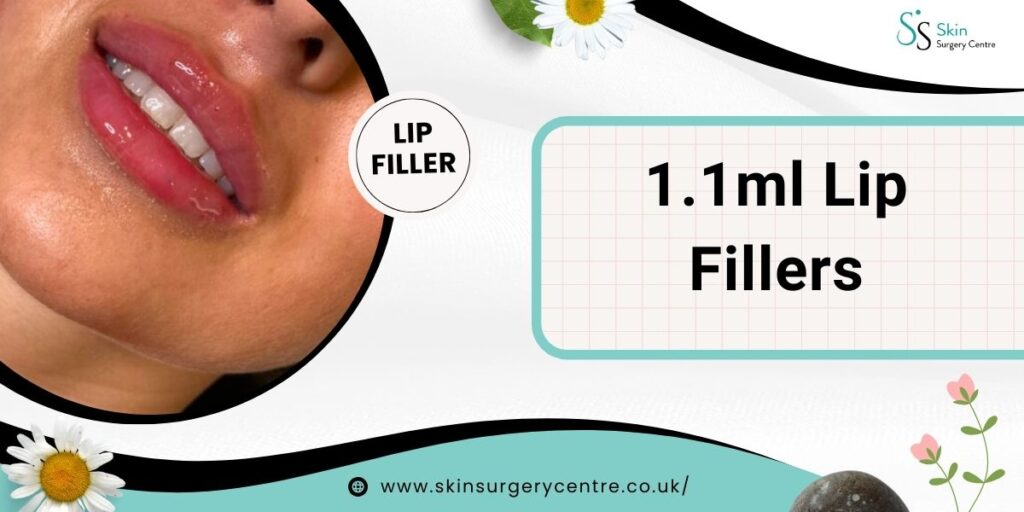
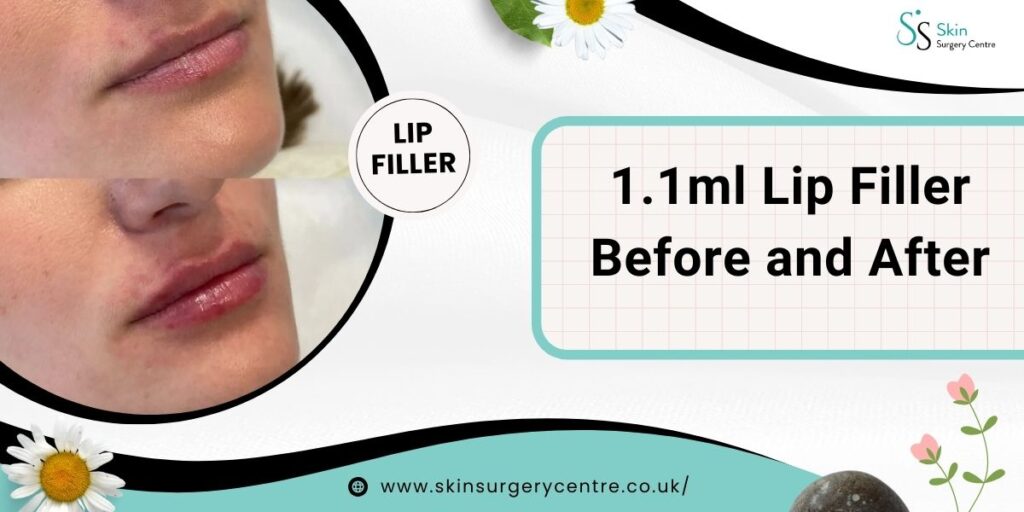
1.1 ml Lip Filler Before and After: What Results To Observe
Lip fillers have become one of the most sought-after non-surgical cosmetic enhancements due to their efficiency, customisability, and minimal downtime....
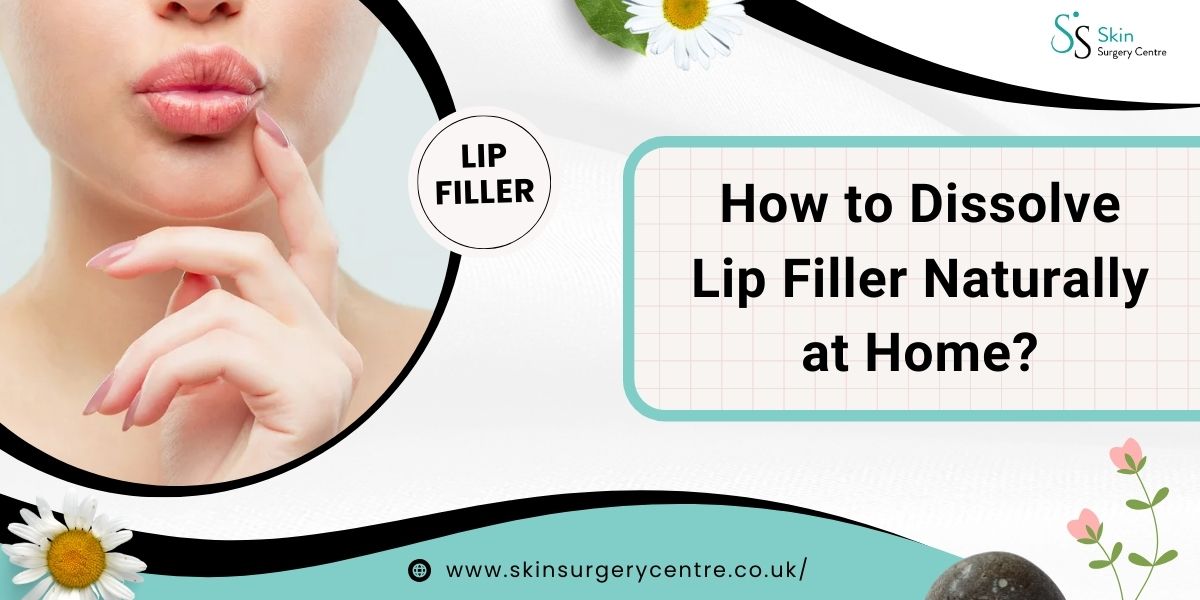
There’s nothing better than a cosmetic enhancement which provides fuller, plumper lips almost instantly. Lip fillers are without doubt a popular beauty treatment. However, there are times when you may want to reverse the results. Uneven outcomes, personal preference, or simply wanting a change can lead people to search for how to dissolve lip filler naturally at home.
This guide explains what is realistically possible, what is unsafe, how fillers break down naturally over time, and when professional treatment is the safest option.
Yes. Most modern lip fillers are made from hyaluronic acid (HA), which naturally breaks down in the body over time.
Hyaluronic acid fillers are gradually metabolised by the body, typically dissolving within:
There is no instant or guaranteed at-home method to speed this process up significantly. Time remains the primary factor.
If waiting feels frustrating, some lifestyle factors may slightly support natural breakdown — but results are limited and inconsistent.
Light massage may help smooth small lumps or uneven areas only if advised by your practitioner.
Massage does not dissolve filler and excessive pressure can worsen migration.
A generally healthy lifestyle may indirectly support metabolic processes:
These do not dissolve filler directly, but may support normal breakdown over time.
You may have heard that pineapple, papaya, or mango can dissolve fillers due to bromelain or papain.
Reality: While these fruits contain enzymes, eating them does not dissolve lip fillers. The concentration required would need to be injected directly into the filler, which cannot be replicated safely at home.
This is the most important part to understand.
There is no safe or effective DIY method to dissolve lip fillers at home. Attempting to interfere with filler placement yourself can lead to:
Any method involving pressure, heat, chemicals, supplements, or tools is unsafe and strongly discouraged.
When correction is needed, professional treatment is the only reliable and controlled method.
Hyaluronidase is a medical enzyme that breaks down hyaluronic acid safely when injected by a trained practitioner.
It is used when:
A small test dose is often performed to check for allergic reactions.
A topical numbing cream is applied for comfort.
Small, precise injections of hyaluronidase are placed into targeted areas.
Costs vary based on:
Typical UK pricing ranges from £150 to £400 per session.
Professional treatment offers:
Attempting to “fix” fillers at home often leads to more complex issues requiring further correction.
| Aspect | Professional Dissolution | Natural Breakdown |
|---|---|---|
| Cost | £150–£400 | None |
| Time | 48 hours–2 weeks | 6–12 months |
| Effectiveness | Immediate and precise | Gradual and unpredictable |
| Safety | Safe with qualified practitioner | Safe only if untouched |
Natural dissolution is acceptable if you’re patient and happy to wait. Professional treatment is best for fast or corrective results.
While lip fillers do dissolve naturally over time, there is no proven or safe way to dissolve lip filler naturally at home.
For visible issues, discomfort, or dissatisfaction, professional hyaluronidase treatment remains the safest and most effective option.
Your safety and long-term results matter more than speed. If something doesn’t feel right, speaking to a qualified aesthetic professional is always the correct next step.
A: Yes. Most hyaluronic acid fillers break down naturally over 6–12 months.
A: No. DIY methods are unsafe and can cause serious complications.
A: No. These may support circulation but do not reliably dissolve filler.
A: If you experience unevenness, pain, migration, or want faster correction.
If you’re unsure whether to wait for natural breakdown or seek professional dissolution, a consultation with an experienced aesthetic practitioner can help you choose the safest option for your lips and your goals. Personalised advice always leads to better outcomes.

Lip fillers have become one of the most sought-after non-surgical cosmetic enhancements due to their efficiency, customisability, and minimal downtime....
Are you considering ways to achieve fuller, well-defined, and more symmetrical lips with 1.1ml lip filler? Whether this is your...
For people who are thinking about having their lips done, one of the most common questions is, “How much does...
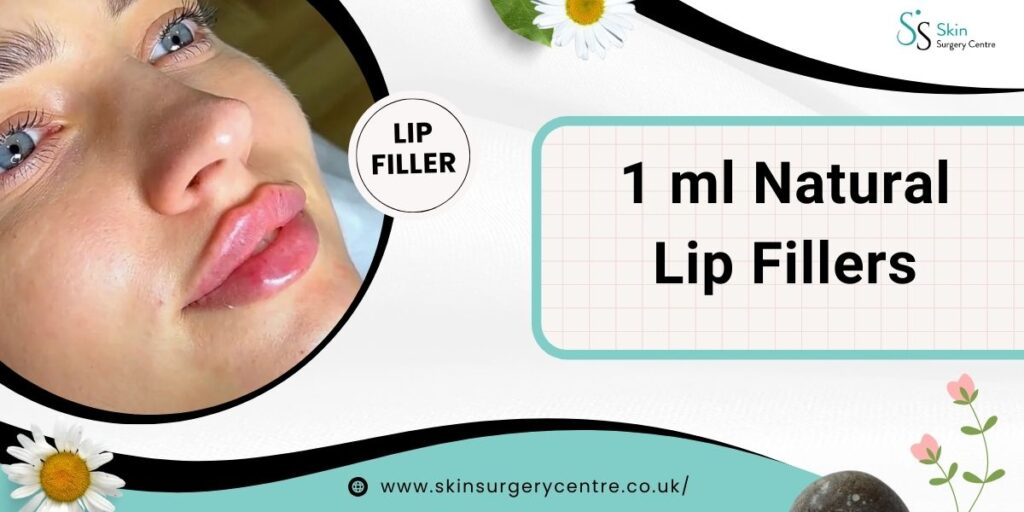
The aesthetic procedure 1ml natural lip fillers is gaining more popularity in this day and age. This particular measurement is...
According to Beauty Tech industry trends, lip augmentation continues to grow in popularity, and for good reason. If you are...