

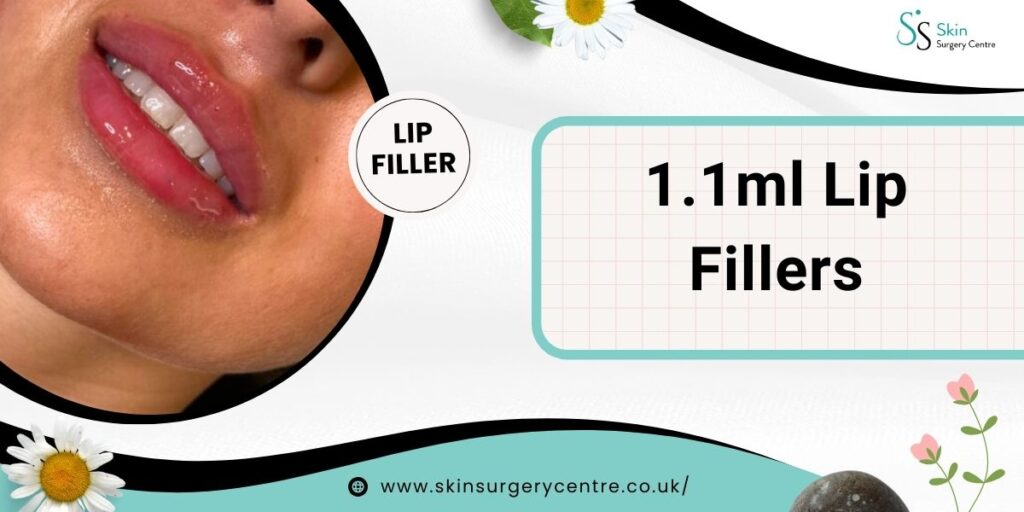
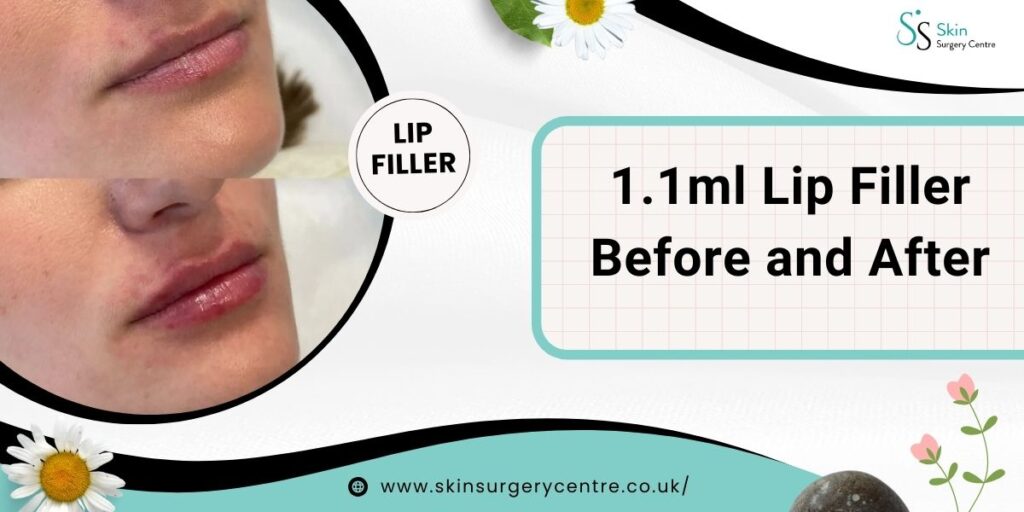
1.1 ml Lip Filler Before and After: What Results To Observe
Lip fillers have become one of the most sought-after non-surgical cosmetic enhancements due to their efficiency, customisability, and minimal downtime....
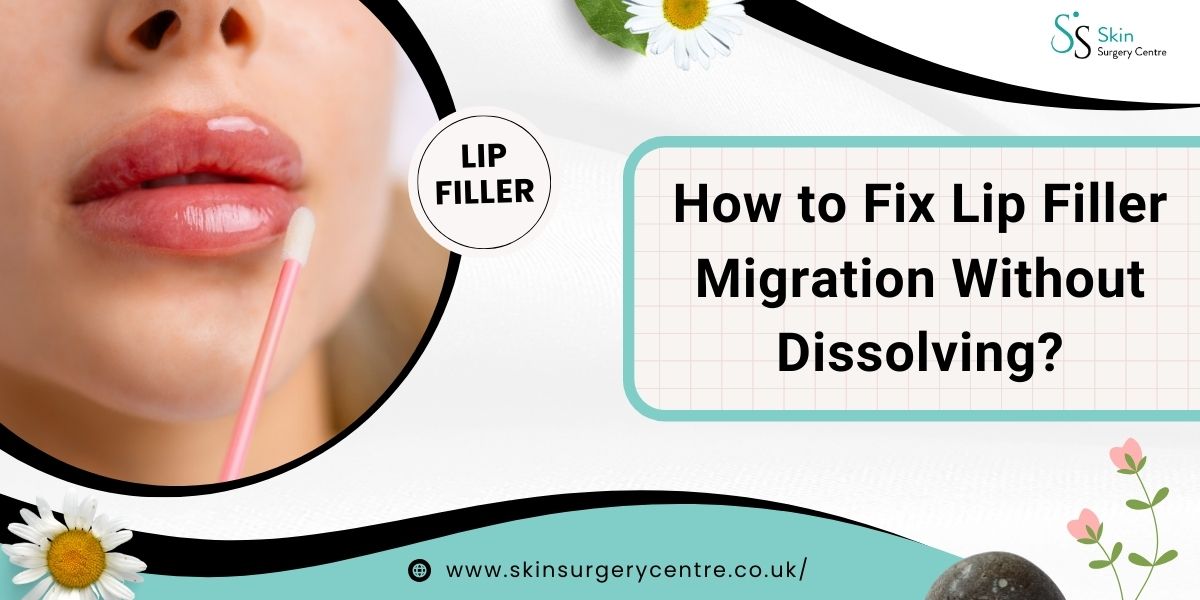
If you are searching for how to fix lip filler migration without dissolving, it is important to understand that outcomes depend on severity, filler type, and professional assessment.
In some cases, non-dissolving approaches may help improve appearance, while in others medical dissolution remains the safest option.
The allure of fuller, younger-looking lips has turned lip fillers into a popular cosmetic enhancement, especially with celebrities like Victoria Beckham leading the trend.
However, with the increased popularity of beauty treatments, lip filler migration becomes an important concern. Migration is when the filler moves outside the intended areas of the lips resulting in an “overfilled” and asymmetric appearance.
This guide focuses on ways to mitigate the signs of migration without resorting to injectable hyaluronidase, along with strategies to maintain beautiful results.
Lip filler migration refers to the movement of the dermal filler lip to regions around the lip, including the border which is referred to as the vermillion border.
This phenomenon causes distortion commonly known as duck lips. There are many reasons that can lead to this issue, like unorthodox injection technique, excessive fillers, and internal migration of the applied filler over time.
From a UK clinical standpoint, migration may also occur gradually due to repeated treatments, inadequate settling time between sessions, or excessive pressure on the lips during healing.
Other than dissolving the fillers, there are many ways to treat the lip fillers migration problem, some of which might not appeal to the average practitioner, but this is the most convenient way to treat the issue.
Absolutely! This is a more forward approach to tackle lip filler migration without dissolvable fillers. Of course, it requires some planning aimed at ensuring the steps taken are for the improved outcome in the long term.
Irrespective of the methods that one decides to choose, it is important to follow up with a qualified healthcare professional.
It is important to note that not all cases of migration are suitable for non-dissolving correction, and professional assessment is essential before proceeding.
Applying the correct amount of pressure to the area where the filler was placed can facilitate its positioning. However, note that this is not a simple self-guided assignment.
Using the wrong techniques can worsen the problem, so proceed with caution. Work with a professional who can advise you on the appropriate amount of pressure and movement that is required toward achieving optimum results.
Key Tip: Without supervision, do not attempt anything other than the most gentle touches.
In UK practice, massage is only advised in very limited cases and usually within the early post-treatment window under practitioner guidance.
An improper treatment will prompt an adage that a good one will keep in mind, this does hold true.
A practitioner trained in the anatomy of the face will for sure be helpful with preventing scenarios in which the filler will shift from the target placement. Empirical practitioners do make use of precision techniques ensuring that fillers do stay exactly in place, where they are supposed to be.
Ensure that any person wishing to have a touch-up or correct migration comes with a reputable practitioner with a successful track record in cosmetic procedures.
It is beneficial to analyse their portfolio, reviews, and accepted certifications prior to making a decision.
In the UK, patients are advised to seek practitioners registered with appropriate professional bodies and trained in complication management.
Liberal with elimination instead of migration encourages over-encouraged migration.
Liberal with prevention does encourage applications.
Liberal when pre-application of filler.
Outer control aligns with placing fillers.
The use of thick and flowable silicone as fillers aids in the prevention of cavity migration.
These formulations couponed to lower migration fillers are less likely to be perturbed and provide longer-lasting results.
From a UK regulatory perspective, hyaluronic acid–based fillers are preferred for lips due to their reversibility and established safety profile. Silicone fillers are not routinely recommended for lip augmentation in UK medical aesthetics.
The time period following your appointment is crucial to ensure the integrity of the results. You should lessen the risk of the filler migrating to other regions through the following protocols:
By doing so, you are complying with the standards provided by your healthcare provider allowing the lips to heal while non-elastically stabilising the newly obtained shape.
Prolonged straining of the facial muscles might cause the filler to shift from its intended location.
While the chances of migration are even more aggravated, being aware of other lip straining habits like excessive chewing can alleviate some risk.
You do not have to limit yourself from doing every normal activity, but these changes, no matter how small, will be helpful.
Like the other treatments, fillers also require maintenance and therefore the use of fillers should not go unchecked. Make sure to take the appointments with your provider.
These check-ins allow your provider to confirm the position of your filler, while also looking for subtle signs of migration that could worsen with time.
If there is some migration that has taken place, your practitioner can recommend some light corrective measures such as replenishing filler in certain areas or other corrective measures based on your migration case.
With lip fillers, preventative measures aimed at reducing migration should be implemented as early as possible. Below are some recommendations that could aid you:
Use more delicate blunt syringes: This may help reduce the chances of overdosing the lips in a single session filler.
Pay more attention to the practitioner’s licence: Ensure that all those who work on you are certified and trained.
Ask what kind of filler is being used: Some fillers are better than others and some offer more staying power, so speak to your provider about options.
Adopt a healthy lifestyle: Discontinue smoking and drinking excess alcohol as they affect recovery time and will lead to an unstable filler.
It is crucial to mention that, while migration gives an unnatural overstuffed look which is out of trend and has been for years, Hollywood has been moving towards a more natural lips focus aesthetic.
Addressing the issue of lip filler migration and attempting to find ways to stop it is in alignment with the beauty industry’s shift towards more subtle and refined practices.
Be it your first time receiving fillers or you are well-versed in the world of fillers, actively participating during post-treatment care, as well as observing how the injector meticulously carves out the shape of your lips, will go a long way towards achieving the desired balance between volume and definition.
As we have always said, “your lips are worth it.”
A: Mild migration may soften as swelling settles, but established migration usually requires professional assessment.
A: No. In some cases, medical dissolution is the safest and most predictable option.
A: Conservative volumes, adequate healing time, correct filler choice, and an experienced practitioner are key.
If migration affects appearance, comfort, or confidence, a face-to-face consultation with a qualified practitioner is essential before attempting correction without dissolving. Patient safety must always take priority over aesthetic preference.

Lip fillers have become one of the most sought-after non-surgical cosmetic enhancements due to their efficiency, customisability, and minimal downtime....
Are you considering ways to achieve fuller, well-defined, and more symmetrical lips with 1.1ml lip filler? Whether this is your...
For people who are thinking about having their lips done, one of the most common questions is, “How much does...
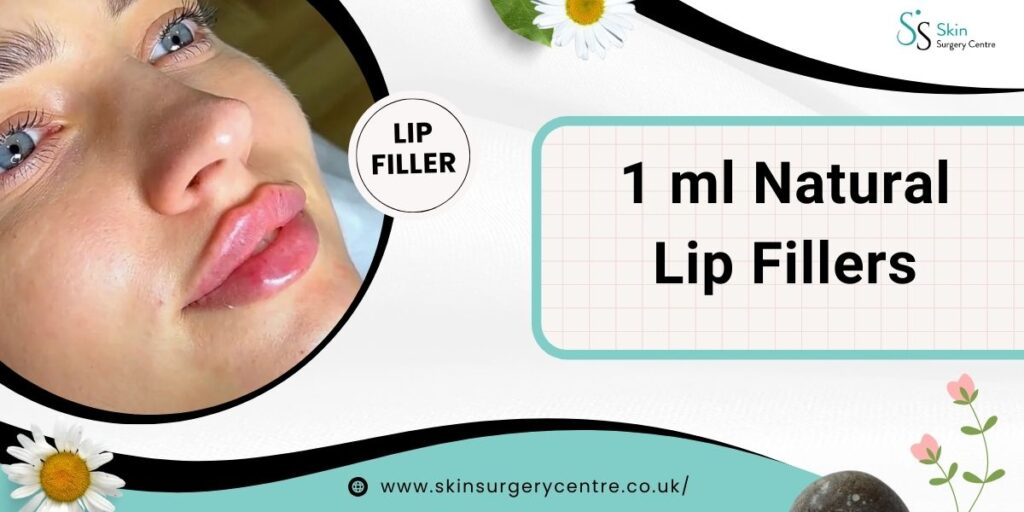
The aesthetic procedure 1ml natural lip fillers is gaining more popularity in this day and age. This particular measurement is...
According to Beauty Tech industry trends, lip augmentation continues to grow in popularity, and for good reason. If you are...