



1.1 ml Lip Filler Before and After: What Results To Observe
Lip fillers have become one of the most sought-after non-surgical cosmetic enhancements due to their efficiency, customisability, and minimal downtime....
The cosmetic enhancement of fuller lips through lip fillers is now more accessible than ever.
Lip fillers can be very attractive but they, like all medical procedures, have their own recovery periods. After getting lip fillers, some level of pain and swelling is expected. The good news is that these symptoms can be managed with the right approach.
Whether it is your first time or you are getting filler treatment for the nth time, this comprehensive guide makes sure optimal recovery is achieved with minimal discomfort.
If you are specifically searching for how to relieve pain after lip fillers, this guide walks you through practical, safe aftercare steps.
Applying ice packs or cold compresses to the lips is one of the best ways to manage swelling and pain after an injection. Ice alleviates pain, inflammation, and provides relief almost right away.
Pro tip: If you find yourself out and about, carry a gel cold pack in your handbag to discreetly touch up throughout the day.
OTC pain medications like Acetaminophen (Panadol) and Ibuprofen (Nurofen) tend to be effective in relieving pain and inflammation.
Always double-check with your doctor before taking medication to make sure you’re not on other medication that could worsen underlying conditions you have.
Numbing gels such as Anbesol and Orabase can provide quick relief to sore lips, particularly when talking or eating becomes painful after a dental injection.
Those gels can especially help anyone who suffers from sensitivity on the new lips.
Benadryl or other antihistamines can help with unexpected severe swelling, but consult a doctor before taking one as not everyone may respond well.
Certain activities or foods may worsen your pain or slow down healing so try to avoid the following:
Reducing irritants will improve the chances of complications and help you achieve a smooth finish on the lips even faster.
Rest is one of the most overlooked phases in the post-treatment recovery process. Any form of physical activity can increase your heart rate and blood flow, which may in turn exacerbate swelling and bruising.
For the first two days after treatment, engaging in any sort of gentle movement is fine; however, please refrain from putting your lips in any form of pressure (sleek face down sleeping position).
Need to treat pain and irritation in record time? Look no further than panthenol creams. These gentle remedies do a great job in treating burns, skin abrasions and offer skin hydration.
Identifying a session can be easily done with numbing creams that have active lidocaine; these make the whole experience gentler by alleviating discomfort due to injections, especially if you are gearing up for a repeat session. This must be applied by your practitioner prior to the procedure.
Both remedies can drastically enhance your comfort levels, not only during the procedure but in the days that follow. This ensures your recovery remains aligned with your goals.
In many cases, it is some of the most basic advice that can speed up the recovery process. Focus on these general aftercare suggestions to prevent complications:
Give it some time. Allow yourself to enjoy the process and before long you will be experiencing the benefits of beautifully voluminous lips.
Contact your practitioner if you experience:
A: Most pain and tenderness settle within 3–7 days, with swelling continuing to improve for up to two weeks.
A: Paracetamol is usually preferred. Aspirin should be avoided unless advised by a healthcare professional.
A: Yes. Cold compresses are one of the most effective ways to relieve pain and swelling in the first 48 hours.
A: Yes. Higher volumes or first-time treatments often cause more swelling and tenderness initially.
A: Most people report lips feeling soft and natural within 1–2 weeks.
Some discomfort after lip fillers is normal and usually temporary.
Knowing how to relieve pain after lip fillers—using cold compresses, proper rest, and correct aftercare—can significantly ease recovery.
If pain worsens or does not improve, always consult a qualified practitioner for professional advice.
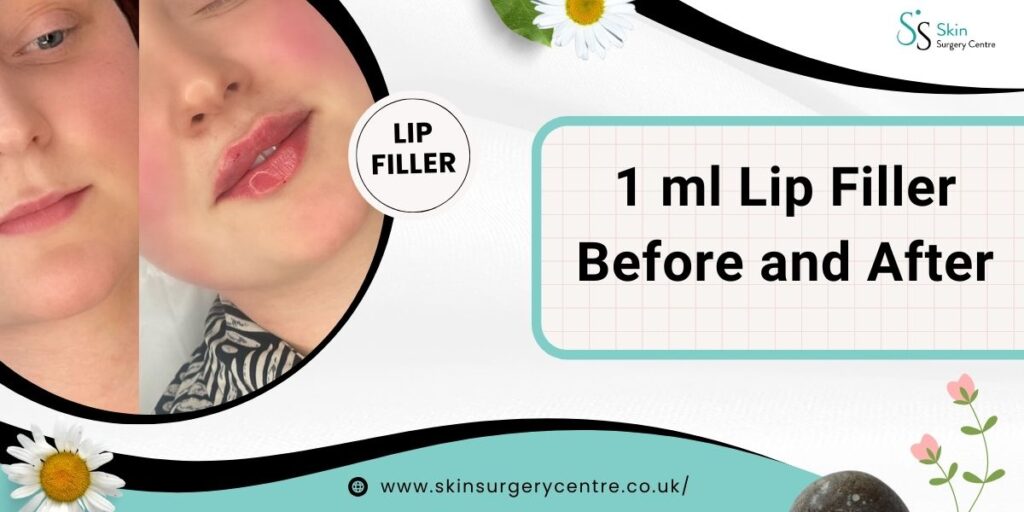

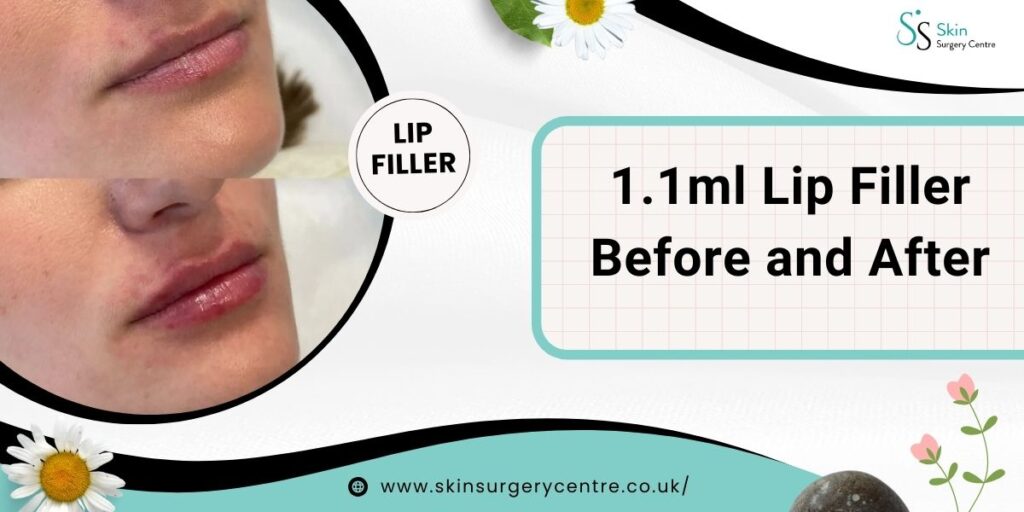
Lip fillers have become one of the most sought-after non-surgical cosmetic enhancements due to their efficiency, customisability, and minimal downtime....
Are you considering ways to achieve fuller, well-defined, and more symmetrical lips with 1.1ml lip filler? Whether this is your...
For people who are thinking about having their lips done, one of the most common questions is, “How much does...
The aesthetic procedure 1ml natural lip fillers is gaining more popularity in this day and age. This particular measurement is...
According to Beauty Tech industry trends, lip augmentation continues to grow in popularity, and for good reason. If you are...