



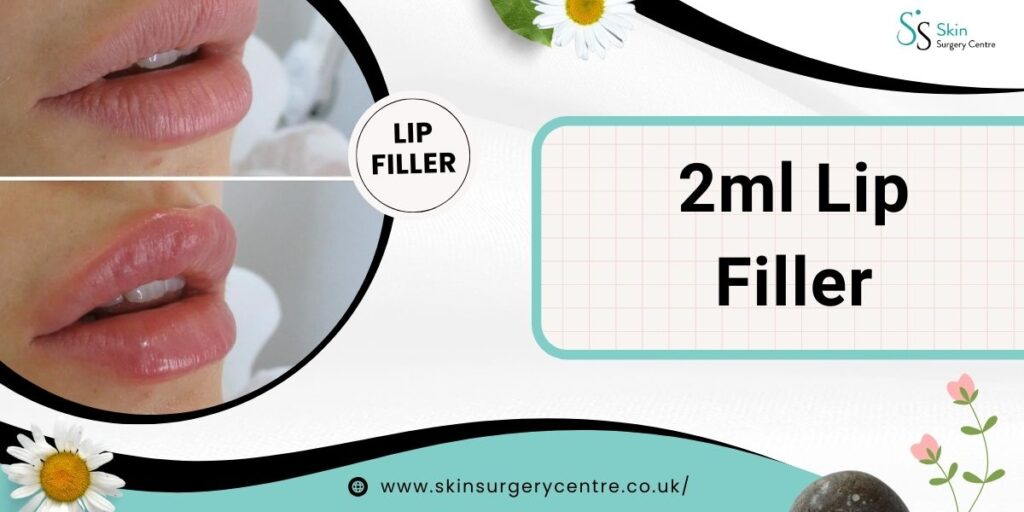
What You Should Know: The Reality About 5 ml Lip Filler
It does not matter whether you are new to cosmetic treatments or have explored aesthetic procedures before — questions around...

From offering customised fillers that suit patient requirements, lip fillers have emerged as one of the most popular aesthetic treatments around the world.
In today’s world, achieving fuller and hydrated lips is a sign of beauty and self-confidence, with numerous enhancement options available.
Whether you are experienced with cosmetic procedures or new to the world of aesthetics, understanding lip filler amounts is essential for achieving balanced, safe, and realistic results.
This guide explores lip filler volumes, how different amounts affect results, safety considerations, and common myths—helping you make an informed decision.
The majority of lip fillers contain hyaluronic acid (HA), a substance that naturally occurs in the body and plays a key role in skin hydration and elasticity. In aesthetic medicine, HA is widely used because it binds to water, helping lips appear smoother and more supple.
Established brands such as Juvederm and Restylane use HA in varying formulations designed for different lip concerns. Commonly used options include:
These variations allow practitioners to customise treatment plans based on individual aesthetic goals.
Choosing the correct lip filler amount is one of the most important factors influencing final results. The volume used depends on lip anatomy, expectations, and whether the goal is subtle enhancement or fuller lips.
This amount is commonly chosen by those seeking a refreshed, hydrated appearance rather than noticeable volume.
Often compared to a “your-lips-but-better” effect.
A standard syringe contains 1 mL, making this the most commonly used lip filler amount.
This amount strikes a balance between definition and natural aesthetics.
Higher volumes are generally reserved for patients seeking fuller lips or correcting significant asymmetry.
Professional consultation is essential when considering higher filler volumes.
Lip fillers are widely used due to their favourable safety profile when administered correctly.
Consulting an experienced practitioner ensures appropriate filler amounts and reduces complication risk.
Truth: Natural-looking results depend on technique, product choice, and correct lip filler amounts.
Truth: Most patients only require maintenance once or twice per year.
Truth: HA fillers naturally dissolve over time and do not permanently alter lip structure.
Lip filler procedures continue to rise globally due to changing beauty standards and increased accessibility.
Industry insights:
Social media visibility and preference for non-surgical treatments contribute significantly to this trend.
Proper aftercare supports optimal healing and results.
A: Most first-time patients start with 0.5–1 mL, depending on their goals.
A: Yes. Overfilling increases complication risk. Larger volumes are often staged over multiple sessions.
A: Typically 6–12 months, depending on metabolism and product type.
A: Yes. Additional filler or dissolution with hyaluronidase is possible if needed.
Understanding lip filler amounts is key to achieving results that enhance natural beauty rather than overpower it. Whether your goal is subtle hydration or fuller volume, careful planning and professional expertise make all the difference.
Consulting a qualified practitioner ensures treatment is tailored to your anatomy, goals, and long-term satisfaction.

It does not matter whether you are new to cosmetic treatments or have explored aesthetic procedures before — questions around...
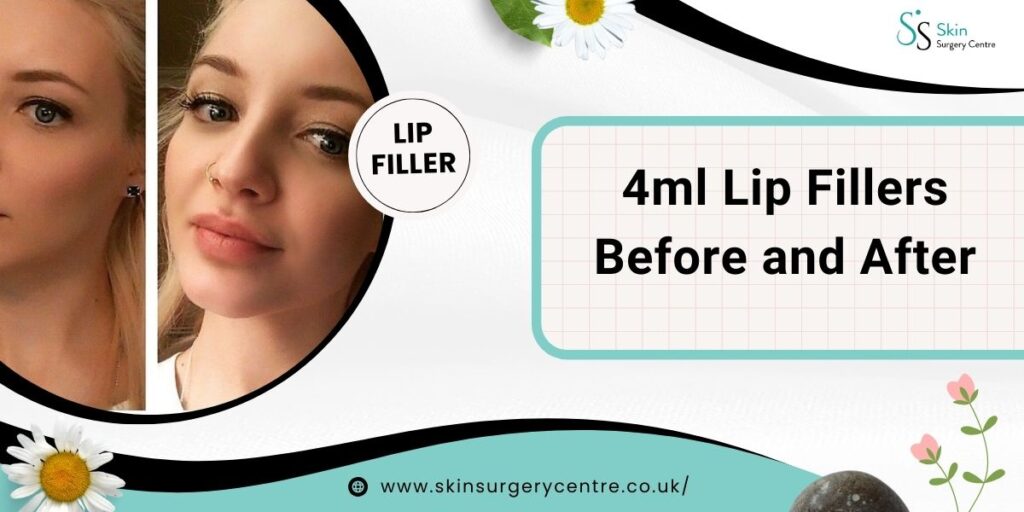
Have you considered fillers for lip enhancement but come across the term 4ml lip filler before and after results? Lip...
Are you considering fillers and questioning whether 3ml is the right volumetric choice for you? Be it your first encounter...
Everyone desires fuller and more appealing lips these days, and getting lip fillers is one of the most popular cosmetic...
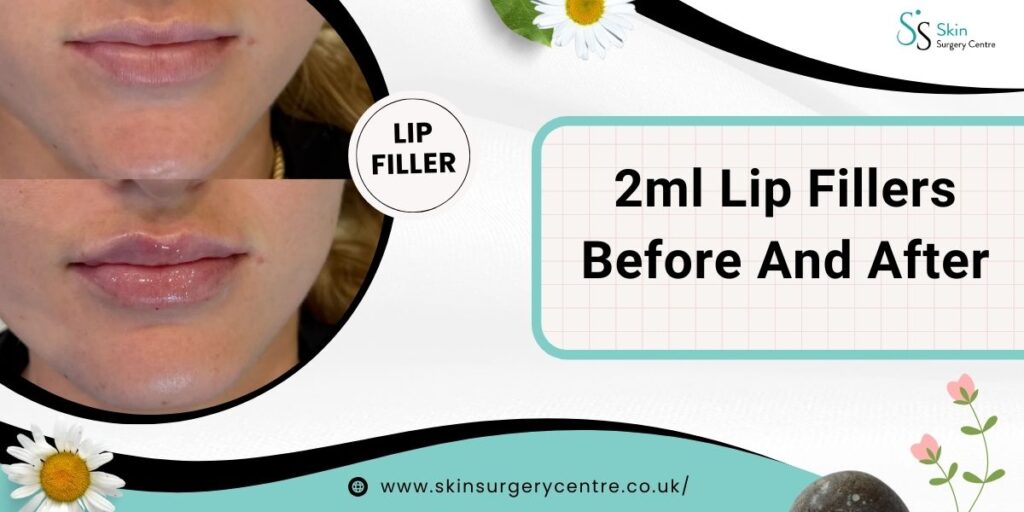
With increasing demand in the beauty industry, lip fillers are widely used to enhance volume, symmetry, and definition. However, one...