


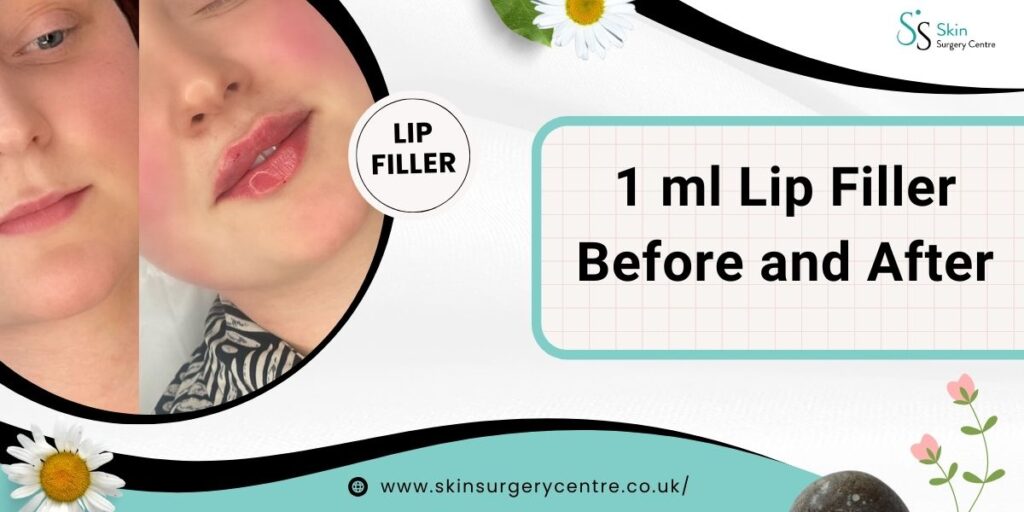
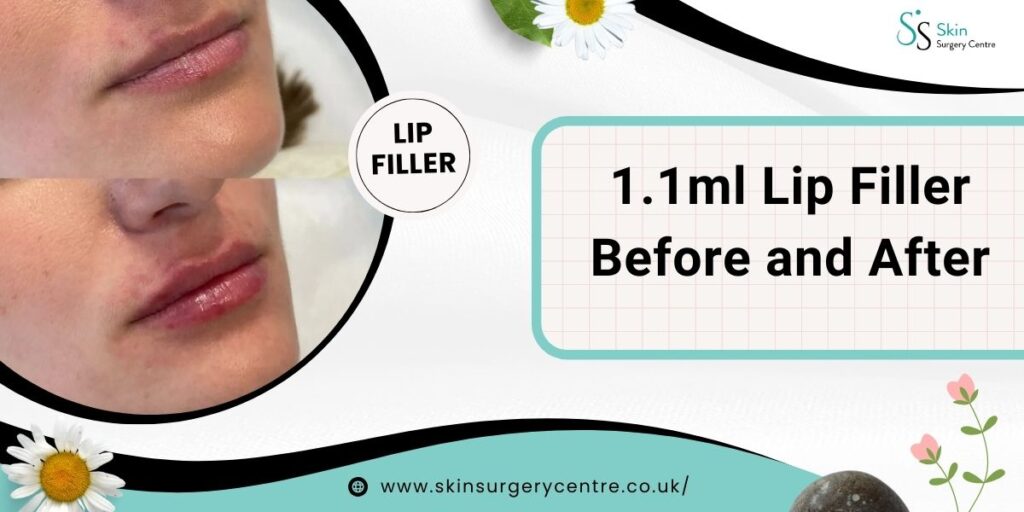
1.1 ml Lip Filler Before and After: What Results To Observe
Lip fillers have become one of the most sought-after non-surgical cosmetic enhancements due to their efficiency, customisability, and minimal downtime....
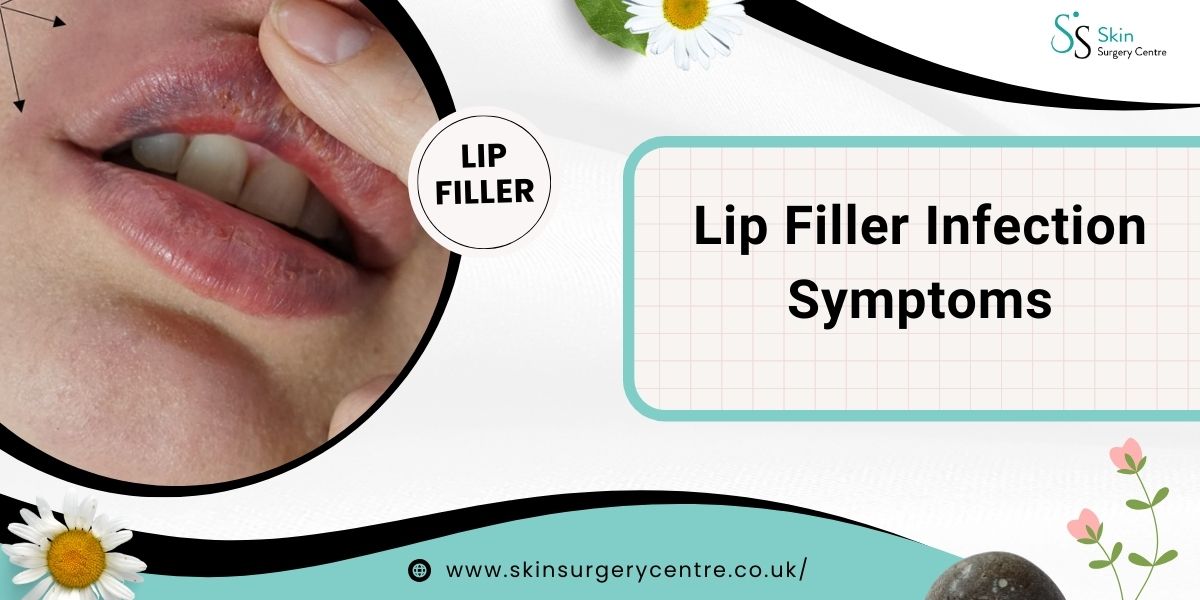
Lip filler infection signs are something every patient should understand before and after treatment.
Among the many cosmetic procedures available to improve one’s beauty, lip fillers have become one of the most sought-after because they quicken the process of achieving enhanced fuller and more pronounced lips.
Nevertheless, just like any other procedure done to the body, there is always a complication waiting to happen and in this case infections are a potential risk. Infections can occur rarely when lip fillers are done by professionals, but it is very important to know what the signs of infection are, how to respond to these infections, and if there is a follow-up necessary.
This guide will discuss in detail infection symptoms, prevention measures, treatment methods, and ways to maximise safety for lip fillers.
Mild pain, inflammation, and some degree of redness around the lip area are to be expected but if persistent, they signify the presence of an infection that must be addressed.
Here are a few symptoms of infections to be on the lookout for:
The expectation of soreness following some cosmetic procedures is totally normal, however when it does not start getting better 48–52 hours afterwards it may mean infection has set in.
Pain that is sharp alongside increase to the redness, swelling of generally the injection site is a sign that there is something that needs medical intervention.
Oftentimes, normal swelling gets better with lip healing. If swelling makes no inroads, heightens further, or there is deep, spreading redness, this could be a sign that an infection may be creeping in.
The injection spot is not unlikely to feel sore to some extent the first time. If tenderness is also present along with heat emanating from that area, it means your immune system is trying to fight off some infection.
The injection site bleeding any strange pus or discharge is the most extreme and alarming indicator of infection. Discharge of any sort is not normal within the bounds of healthy procedures.
A patient here should be already prepared for the fact that fever tells them there is some underlying problem of concern.
Feeling feverish after a lip filler procedure means that there likely is some spread and almost demands immediate medical intervention.
Relentless bump that looks like something unnatural is put in place.
Swelling on the lip area after fillers is common in the early stages, but if the swelling does not end when it is expected to, this may be the result of unremitting inflammation stemming from an unresolved infection.
In more serious cases, lack of immediate medical attention can result in purple marks developing which may indicate necrosis.
That type of discolouration could stem from necrosis which is dying body tissue. In such cases, immediate treatment is a must.
When it comes to filling the lip’s infection, identifying it sooner helps in treating complex issues.
If ignored, an infection can spread further to not just the lips, but to the brow, moreover inflicting damage to parts of the body that may lead to hospitalisation.
In any case, if noticing the symptoms mentioned above do not hesitate to contact your doctor or cosmetologist. The faster an infection is treated, the better the exit strategy with minimal complications.
These are just some examples of treatment considered necessary to fight infection.
A clinician may recommend antibiotics such as Cephalexin or Clindamycin to alleviate the ailment.
In critical situations, antibiotics will need to be administered through IV in order to actively manage the infection’s progression.
In some cases, an abscess might need to be drained. This allows for the infected material to be removed so that your body can heal better.
In some cases, other treatment options such as intralesional corticosteroids will be used to manage inflammation.
Other drugs like allopurinol or 5-fluorouracil may be administered for medical treatment under supervision due to infections associated with filler complications.
The most optimal course of treatment will always be determined by your healthcare provider considering the type and severity of the infection.
As the saying goes, “prevention is better than cure”. This holds true especially for cosmetic procedures.
Make sure to do a background check for any certified and experienced professionals that would work on your filler while maintaining hygiene and safety protocols.
Ensuring sterile tools and clean treatment settings significantly reduces infection risk.
Do not touch the lips with unwashed hands or share utensils and cosmetics while the area is healing.
Dental procedures and smoking are not permitted immediately after treatment, as both can increase the risk of bacteria entering sensitive areas.
If you experience rapidly increasing pain, spreading redness, fever, pus, skin colour changes (purple, grey, or white), or severe swelling, seek medical attention immediately.
These may indicate serious complications requiring urgent care.
A: Infections can appear within days, but delayed infections may also occur weeks later.
A: Yes initially, but redness that worsens after 48–72 hours should be checked.
A: No. Medical assessment and treatment are essential.
A: They are uncommon when procedures are performed by trained professionals using sterile techniques.
Lip filler infection signs should never be ignored. Persistent pain, swelling, redness, discharge, fever, or colour changes require prompt medical attention. Early action protects both your health and cosmetic results.

Lip fillers have become one of the most sought-after non-surgical cosmetic enhancements due to their efficiency, customisability, and minimal downtime....
Are you considering ways to achieve fuller, well-defined, and more symmetrical lips with 1.1ml lip filler? Whether this is your...
For people who are thinking about having their lips done, one of the most common questions is, “How much does...
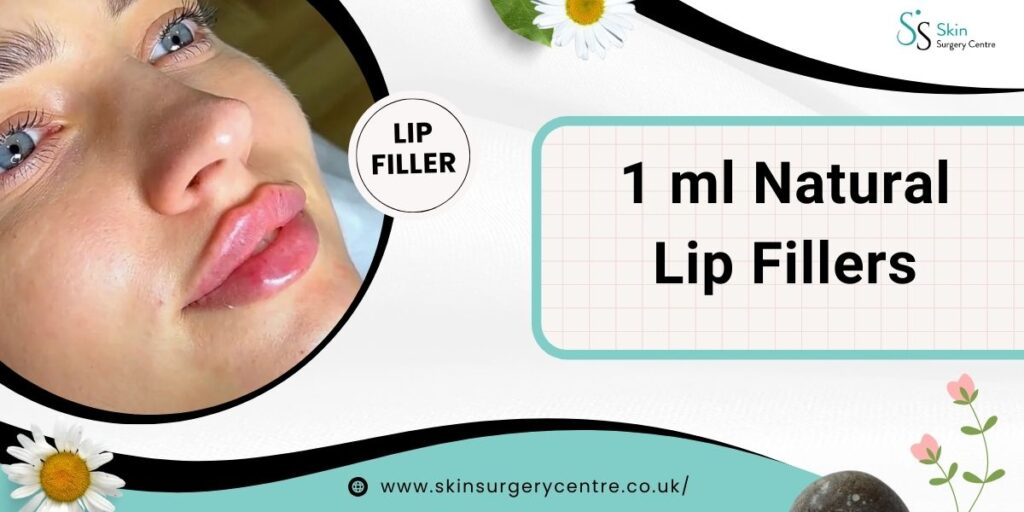
The aesthetic procedure 1ml natural lip fillers is gaining more popularity in this day and age. This particular measurement is...
According to Beauty Tech industry trends, lip augmentation continues to grow in popularity, and for good reason. If you are...