


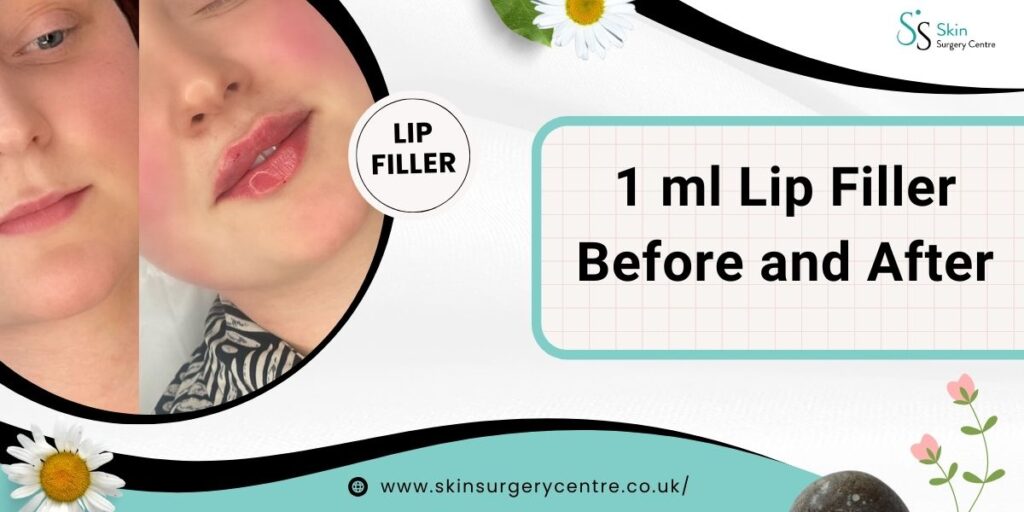
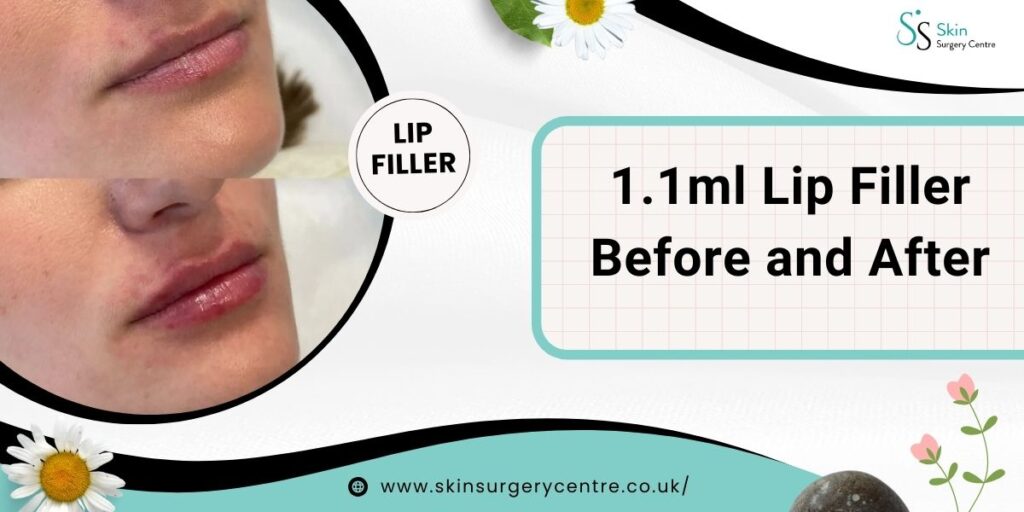
1.1 ml Lip Filler Before and After: What Results To Observe
Lip fillers have become one of the most sought-after non-surgical cosmetic enhancements due to their efficiency, customisability, and minimal downtime....
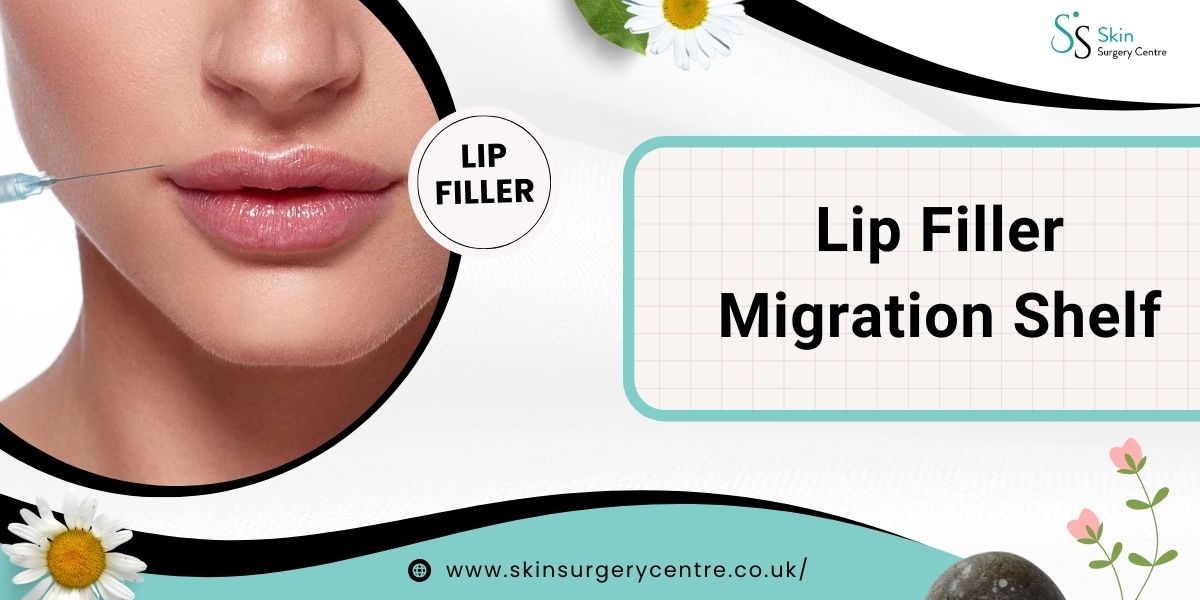
Over the past few years, lip fillers have emerged as a go-to cosmetic procedure for curvy, well-shaped lips. Some individuals have great experiences with lip fillers, while others face an unfortunate complication called lip filler migration, commonly linked to the ‘filler moustache’ effect.
If you have been contemplating getting lip fillers or are simply interested in this migration phenomenon, this guide will assist you with everything you need to know regarding lip filler migration shelf, including causes, symptoms, and treatment options.
As the name suggests, filler migration is when the injected filler shifts from its intended position to another area. Rather than being contained within the lips, the filler moves upwards and sideways, giving a distorted appearance.
This results in lip fillers creating duck lips or the shelf-like swelling over the upper lip known as “filler moustache”.
Lip filler migration shelf specifically refers to the raised, unnatural ledge that forms above the upper lip when filler moves beyond the vermilion border.
Filler migration is not a common problem with experienced practitioners, but it is of serious concern to the patient whenever it does happen.
There are many possible reasons for lip filler migration, such as the type of filler used, technique, and aftercare habits.
An injector’s level of experience and skill makes a significant difference when it comes to preventing migration. Poor depth placement or incorrect technique can allow filler to spread beyond its intended area.
Some fillers are softer or less cohesive, which can make them more prone to movement if not chosen appropriately for lip anatomy.
Overfilling increases pressure within the lip tissue, encouraging filler displacement. Gradual enhancement is one of the most effective ways to reduce migration risk.
Behaviours such as tight mask use, early strenuous exercise, or unnecessary lip manipulation can interfere with proper filler settling.
Talking, eating, and facial expressions place constant mechanical stress on the lips, which can contribute to migration if the filler has not integrated well.
Lip filler migration typically presents with the following signs:
Small or firm lumps may appear above the lip or around the mouth, disrupting smooth contours.
Loss of symmetry, blurred borders, or excessive fullness in unintended areas.
A raised ridge above the upper lip that gives the appearance of a shelf and disrupts facial harmony.
Lip filler migration can develop at varying times. In cases of overfilling or incorrect placement, migration may begin within days. More commonly, noticeable lip filler migration shelf develops gradually over weeks or months due to repetitive lip movement and poor tissue integration.
If migration is suspected, the following options may help restore balance:
In mild cases, supervised massage by a trained practitioner may help redistribute filler safely.
Hyaluronidase is the most reliable treatment for lip filler migration shelf, allowing migrated filler to be safely broken down.
Once dissolved, filler can be reintroduced conservatively using improved technique and placement.
Some minor migration may soften naturally over time, but this should always be monitored professionally.
Laser or radiofrequency treatments may help improve skin texture in selected cases, but they do not replace dissolution when significant migration is present.
Prevention remains the best strategy.
Skill, anatomical knowledge, and technique significantly reduce migration risk.
Starting conservatively and building volume gradually minimises pressure within the lips.
Avoid excessive heat, pressure, and movement during the first 48 hours post-treatment.
Selecting fillers designed specifically for lips improves stability and longevity.
The reassuring news is that lip filler migration shelf is usually reversible. With proper assessment and treatment, lips can return to a balanced, natural appearance. Addressing migration early often leads to better outcomes and fewer corrective steps.
Understanding the causes, symptoms, and solutions for lip filler migration shelf helps patients make informed aesthetic decisions. Lip fillers can enhance facial features when applied with precision, restraint, and expertise.
If you are considering lip fillers or experiencing migration concerns, working with a qualified aesthetic practitioner ensures safety, balance, and long-term satisfaction.
A: It is a raised ridge above the upper lip caused by filler moving beyond its intended placement area.
A: No. It is uncommon when fillers are placed correctly by experienced practitioners.
A: Yes. Migration can usually be corrected with hyaluronidase and careful re-treatment if needed.
A: Choosing a skilled injector, avoiding overfilling, and following aftercare instructions greatly reduce risk.
If you’re concerned about lip filler migration shelf or want expert advice before treatment, a consultation with a qualified aesthetic practitioner can help assess your lips, discuss safe options, and create a plan tailored to your facial anatomy and goals.


Lip fillers have become one of the most sought-after non-surgical cosmetic enhancements due to their efficiency, customisability, and minimal downtime....
Are you considering ways to achieve fuller, well-defined, and more symmetrical lips with 1.1ml lip filler? Whether this is your...
For people who are thinking about having their lips done, one of the most common questions is, “How much does...
The aesthetic procedure 1ml natural lip fillers is gaining more popularity in this day and age. This particular measurement is...
According to Beauty Tech industry trends, lip augmentation continues to grow in popularity, and for good reason. If you are...