



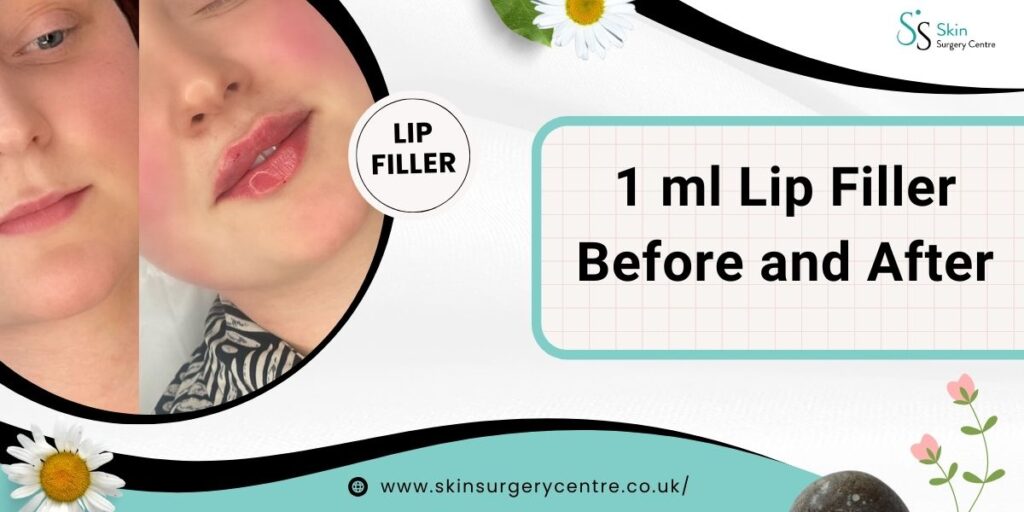
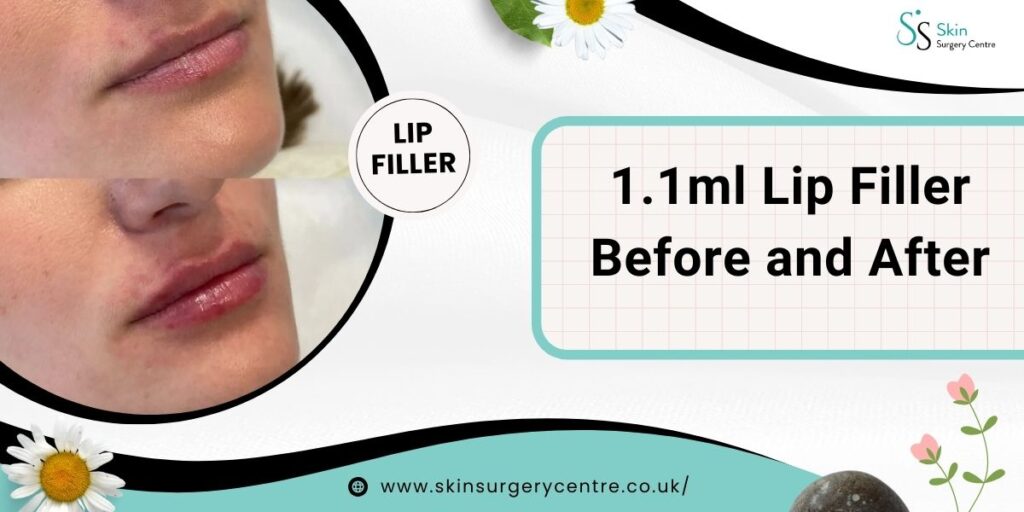
1.1 ml Lip Filler Before and After: What Results To Observe
Lip fillers have become one of the most sought-after non-surgical cosmetic enhancements due to their efficiency, customisability, and minimal downtime....

Increasingly, people are opting for procedures such as lip fillers to enhance their beauty.
However, not every lip enhancement story has a fairytale ending. People change their minds for all sorts of reasons, whether it’s medical issues or an underlying preference.
If you’re looking to remove fillers, the whole process might seem intimidating or confusing.
Lip filler removal is a medically guided process that should always be approached with accurate information and professional support rather than panic or impulse decisions.
From understanding the procedure to discussing why someone might need a filler removed, this blog covers everything you need to know before you consider easing the lip fillers.
The safest and quickest way to remove hyaluronic acid-based fillers is through an enzyme known as hyaluronidase. As most dermal fillers have a hyaluronic acid base, this enzyme breaks it down, allowing the body to dissolve and absorb the filler.
The handiest solution for patients who need precision removals due to aesthetic complications has been hyaluronidase.
First, hyaluronidase must be injected into the specific area to be treated. Then, it will set into motion an unstoppable cascade of reactions to hyaluronic acid by breaking it down. You will start noticing the results in no time; within hours some results can be seen, but for complete dissolution, it will take up to a week.
Results of the process can be broken down into three categories:
Also, note that although this is a very effective method for hyaluronic acid fillers, it does not work with silicone fillers or any non-hyaluronic fillers.
A practitioner will always confirm the type of filler before proceeding, as lip filler removal is only effective for hyaluronic acid–based products.
These are some of the most common reasons for opting lip filler removals:
There is always a chance fillers do not deliver as per the requested order to personal designs or on occasion result in a feeling of an overfilled look.
This is what happens when the fillers start migrating in an unnatural manner above or below the lips, creating an awkward, unnatural look by escaping beyond their designated region.
Reactions of an allergic nature or any type of inflammation related to fillers or other materials need to be treated right away.
They might have some lumps, bumps, nodules, or any other irregular structures formed over time as undesirable side effects.
Regardless of the motivation behind the decision, it is a must that one consults a qualified practitioner who has vast experience in aesthetic medicine.
In the context of cosmetic medicine, hyaluronidase is deemed safe, but it does come with some risks. These risks involve:
Some patients do have allergic reactions to hyaluronidase, even though it is unusual. A patch test may need to be performed for precautionary measures prior to the treatment.
Improper techniques might lead to the unnecessary balance of filler.
Even though the procedure is widely practiced, lip filler removal using hyaluronidase is yet to receive sanction from health authorities such as the US FDA or Australia’s TGA. Hence, the need for a trained professional becomes critical to guarantee no complications will arise.
In the UK, practitioners performing lip filler removal should be appropriately trained in managing aesthetic complications and emergency protocols.
Some practitioners use sophatecnology for accurate lip filler removal – wide ultrasound imaging can accurately show where beneath the lips the filler is located, allowing for precise placement of dissolver injections.
This technique minimises the chances of over-correction and ensures that the results are precisely as you want them.
Moreover, some seasoned practitioners may recommend massaging the treatment area to facilitate the body’s natural absorption of the filler.
Your lip filler removal procedure does not culminate with the hyaluronidase injection. There are some expectations during the follow-up phase:
The duration for fully removing the filler varies with the type and quantity previously injected. Optimal results may require multiple sessions.
In the absence of dissolving agents, hyaluronic fillers undergo degradation within 6 to 12 months due to natural bodily processes. Additionally, these fillers may promote collagen synthesis, leaving subtle remnants that endure longer.
Check-up appointments are crucial with every cosmetic practitioner to address emerging complications and ensure adherable outcomes.
Most practitioners advise allowing swelling to fully settle before making decisions about further treatment or refilling.
You should contact a qualified practitioner promptly if you experience:
Early assessment can prevent long-term complications and protect lip tissue health.
The phenomenon of spontaneous lip filler removal has become popular in the public eye recently, alongside industry names such as Kylie Jenner and Courteney Cox casually discussing their experiences with fillers. This narrative shift has inspired a lot of people wanting to return to a softer look, without feeling shamed.
This beauty shift does not mean an end to lip fillers. Instead, it focuses on the balance of both personal choice and social influencer standards which undeniably impact one’s view on these procedures.
Thinking of getting a lip filler removal to enhance your looks or for health reasons? Learning about the procedure will allow you to make a confident choice.
Here’s some final advice to help make this process smooth:
A licensed cosmetician who specializes in filler removals is your best option.
An effective treatment plan begins with sharing your concerns, objectives, and relevant medical history with your practitioner.
Assess the emotional and physical impacts of removal on your overall cosmetic appeal.
Without a doubt, your lips form a vital feature of the face and any cosmetic approach should expose the beauty you have always known yourself to be.
A: Initial changes may be visible within 24–48 hours, while full effects usually develop over several days.
A: Only hyaluronic acid–based fillers can be reliably dissolved using hyaluronidase.
A: When performed correctly by a trained practitioner, lip filler removal is generally safe and does not permanently damage lip tissue.
A: Many people choose to refill later, but practitioners usually advise waiting until tissues have fully healed.
Lip filler removal is not a failure—it’s a corrective and sometimes necessary step. Whether the reason is aesthetic dissatisfaction, migration, or a medical concern, understanding how removal works helps you make informed decisions.
Hyaluronidase offers a controlled and effective option for dissolving hyaluronic acid fillers when performed by a qualified practitioner. The key is proper assessment, realistic expectations, and professional supervision throughout the process.



Lip fillers have become one of the most sought-after non-surgical cosmetic enhancements due to their efficiency, customisability, and minimal downtime....
Are you considering ways to achieve fuller, well-defined, and more symmetrical lips with 1.1ml lip filler? Whether this is your...
For people who are thinking about having their lips done, one of the most common questions is, “How much does...
The aesthetic procedure 1ml natural lip fillers is gaining more popularity in this day and age. This particular measurement is...
According to Beauty Tech industry trends, lip augmentation continues to grow in popularity, and for good reason. If you are...