



1.1 ml Lip Filler Before and After: What Results To Observe
Lip fillers have become one of the most sought-after non-surgical cosmetic enhancements due to their efficiency, customisability, and minimal downtime....
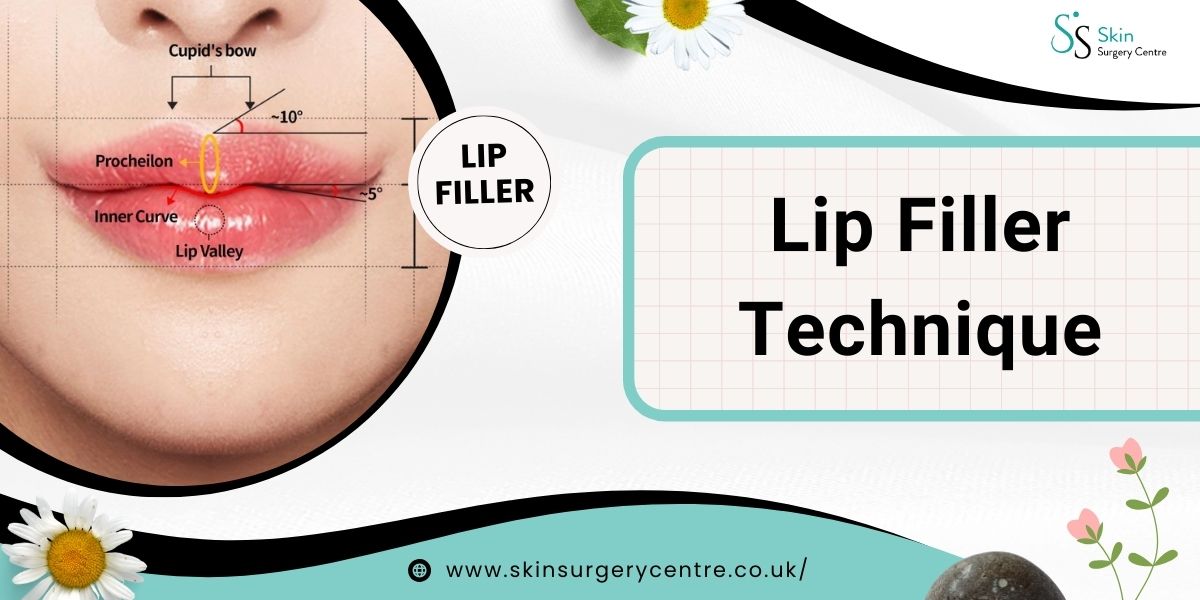
Lip fillers aren’t just for celebrities anymore—they’re a popular choice among those looking to volumise their lips, accentuate their smile, or create a contoured effect. But for anyone considering this widely performed cosmetic procedure, an appreciation of the various lip filler techniques and their implications is necessary.
Let this blog take you through the world of lip filler technique selection, starting from the types of fillers, the most practised methods of injection, risks and complications, and aftercare procedures. This guide will serve you whether you are looking for the most appropriate technique or simply trying to understand how lip fillers are performed in clinical practice.
Lip enhancements mostly make use of hyaluronic acid (HA) as the volume filler. Hyaluronic acid is a substance naturally present in the human body, which is why HA fillers are widely used in UK aesthetic practice. They are designed to volumise, hydrate, and structure the lips while maintaining a soft, natural feel.
From a medical standpoint, HA fillers are preferred because they are temporary and reversible, provided treatment is performed by a trained practitioner.
Executing fillers is more about technique and anatomical understanding than the product alone. Different lip filler techniques allow clinicians to tailor outcomes, from subtle hydration to structured enhancement.
Below is a clinical overview of commonly discussed lip filler techniques, described for educational purposes rather than instructional replication.
This technique is inspired by the golden ratio (Φ) and focuses on proportion and symmetry rather than volume alone.
How it works (clinical overview):
This approach is typically chosen for patients seeking refined enhancement rather than dramatic volume.
The Latin Lips technique is known for producing defined yet soft contours.
How it works (conceptual explanation):
This lip filler technique is often selected for patients wanting structure with a smooth transition at the lip borders.
This method aims for even distribution and controlled volume.
How it works (educational summary):
This technique is commonly used for first-time patients or those preferring subtle enhancement.
While HA fillers are widely used, no injectable treatment is risk-free.
Vascular occlusion and tissue necrosis are extremely rare but serious complications that require immediate medical attention.
From an expert perspective, less is almost always more with lip fillers.
Enhancement should respect the patient’s natural lip anatomy rather than attempt dramatic transformation.
Proper aftercare plays a key role in reducing complications and optimising outcomes.
UK guidance from organisations such as the NHS, BAAPS, and GMC emphasises that non-surgical cosmetic procedures should only be performed by appropriately trained practitioners, with clear consent and realistic expectations.
They also stress that patients should be informed about:
A: Safety depends more on the practitioner’s training, anatomical knowledge, and conservative approach than the technique name itself.
A: No. Lip anatomy, facial proportions, and patient goals vary, which is why techniques must be individualised.
A: Most HA-based lip fillers last between 6–12 months, depending on metabolism and lifestyle factors.
A: Yes. Hyaluronic acid fillers can be dissolved using hyaluronidase if medically indicated.
Lip fillers sit at the intersection of medical science and aesthetic artistry. Whether using a Phi-inspired approach, Latin Lips, or a conservative multi-point technique, the defining factors for success remain the same: expert assessment, anatomical respect, and patient-centred planning.
If you are considering lip enhancement, a detailed consultation with a qualified UK practitioner is the safest way to determine which lip filler technique aligns with your goals while preserving natural balance and facial harmony.
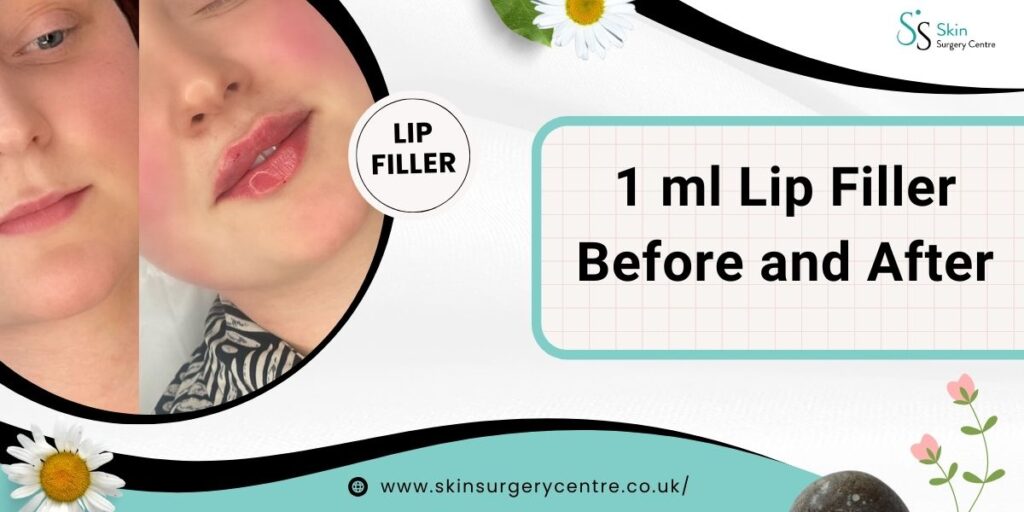

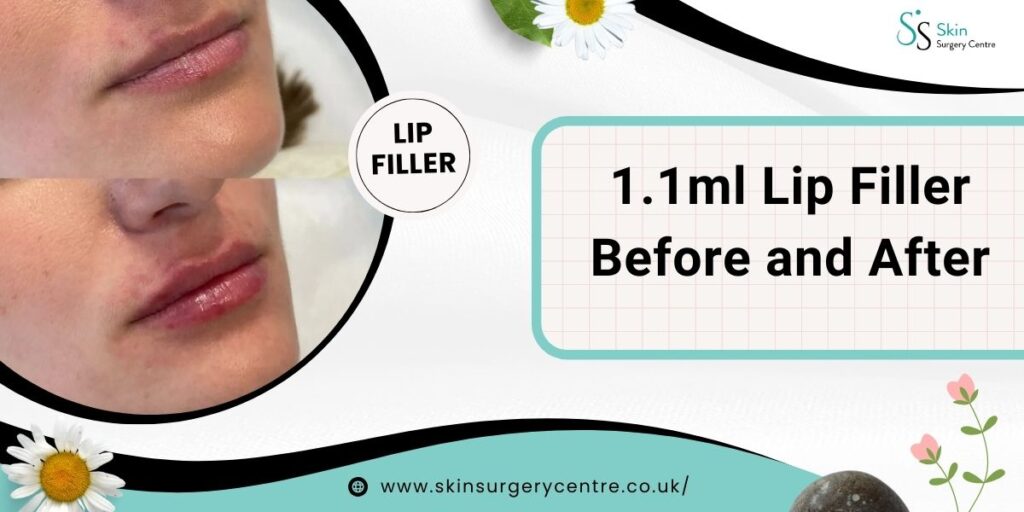
Lip fillers have become one of the most sought-after non-surgical cosmetic enhancements due to their efficiency, customisability, and minimal downtime....
Are you considering ways to achieve fuller, well-defined, and more symmetrical lips with 1.1ml lip filler? Whether this is your...
For people who are thinking about having their lips done, one of the most common questions is, “How much does...
The aesthetic procedure 1ml natural lip fillers is gaining more popularity in this day and age. This particular measurement is...
According to Beauty Tech industry trends, lip augmentation continues to grow in popularity, and for good reason. If you are...