

1.1 ml Lip Filler Before and After: What Results To Observe
Lip fillers have become one of the most sought-after non-surgical cosmetic enhancements due to their efficiency, customisability, and minimal downtime....
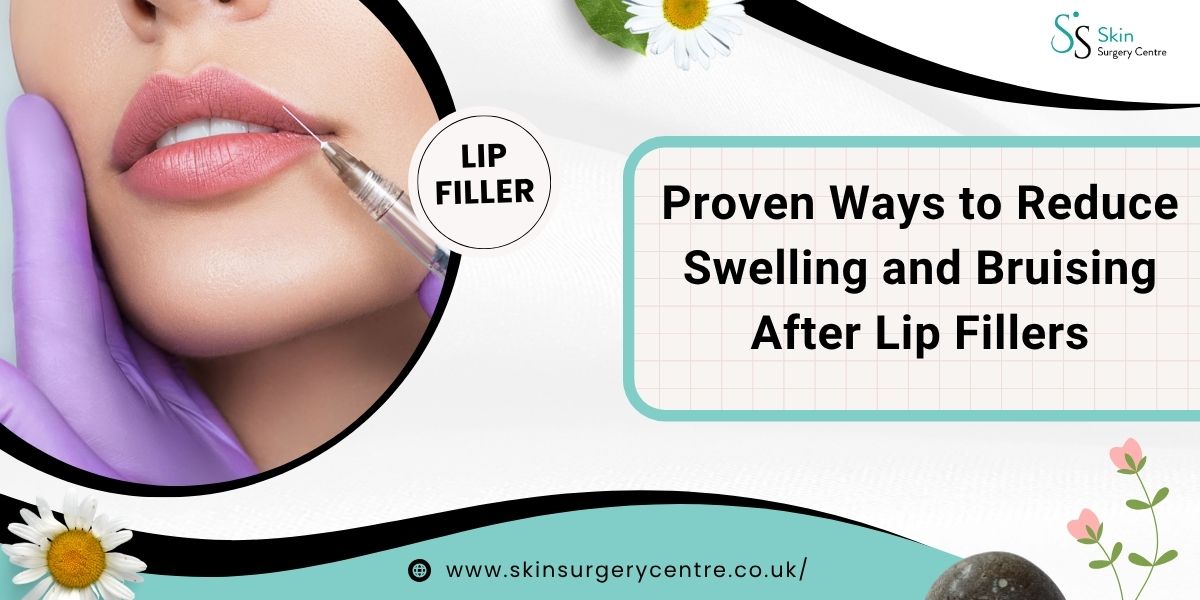
Swelling and bruising after lip filler are common post-treatment concerns—but they’re manageable when you know what to expect. In this guide, we’ll explain what causes swelling after lip fillers, what’s normal, how long recovery takes, and proven ways to reduce discomfort quickly.
“Clinical observations across aesthetic practice consistently show that mild swelling following hyaluronic acid lip fillers typically settles within the first week, although individual healing times vary.”
In this article, I will provide a complete breakdown of swelling and bruising after lip fillers, their causes, and how to manage them.
The body’s natural healing processes may explain some of the more common and obvious side effects resulting from lip fillers such as swelling and bruising. Consider these factors:
To fill the lips with fillers, a needle or cannula is used to inject the fillers in the lips. This will lead to some tissue damage with each injection resulting in an inflammatory response. Blood vessels can also rupture due to the injections resulting in bruising.
Lip fillers like Restylane and Juvederm are made from hyaluronic acid. Hyaluronic acid is hydrophilic, meaning it attracts water and retains it. While this is favourable when getting fuller hydrated lips, it can also lead to swelling during the adjustment period as the filler integrates with your tissue.
Key Takeaway: Swelling and bruising are part of the lip filler process, and these two factors usually arise from tissue injury and the filler’s materials.
Quote:“Bruising can occur in up to 24% of patients post-filler,” says Dr. Smith, UK Aesthetic Practitioner.”
Recognising the time frames of swelling and bruising allows you to prepare yourself for what is next and monitor when improvement is due.
| Day | What to Expect |
| 0–3 | Peak swelling and potential bruising |
| 4–5 | Swelling starts to reduce |
| 6–10 | Minor residual swelling fades |
| 10+ | Final lip shape becomes visible |
Within a period of one day and three days, swelling is at its peak state alongside bruising and redness. This demonstrates the most apparent phase, so do not worry if your lips look more swollen than you thought – with time, it will settle.
A person recovering from surgery should start looking and feeling better as the days progress. As a general guideline, most of the profound swelling should have reduced by day 4.
Talking, eating and further activities ought to be much more comfortable than before. In some instances, stubborn bruises along with residual swelling may still last for a week or ten days. If the swelling persists significantly beyond this duration, a specialist should be consulted.
Key Takeaway: The most swelling is likely to occur within the first 3 days, with a noticeable difference on day 4. Complete recovery is subjective, hence will always differ from person to person.
It is normal to experience swelling, tenderness, firmness, or mild bruising in the first few days following lip filler treatment. Temporary asymmetry is also common while swelling settles.
However, you should seek professional advice if you notice:
When in doubt, always contact your practitioner for reassurance or assessment.
Different techniques of applying surgical fillers will yield a different proportion of swelling following the procedure. Here is a summary:
Restylane and Juvederm are among the most commonly used hyaluronic acid fillers. However, their water-attracting properties can lead to slightly more swelling compared to other options.
While some fillers are specifically created to reduce swelling and contour a natural look, Restylane filler offers lesser swelling due to its formulation. Restylane filler is preferred for people seeking less prominent enhancements as compared to Juvederm.
Important Note: Selecting a filler product can impact the amount of swelling that you may have afterwards, therefore an appointment with an experienced practitioner can assist you in selecting the right product.
Bruising and swelling to a normally expected degree can be easily managed and controlled:
Strenuous activity will increase blood flow to your face, which may exacerbate bruising and swelling.
For the first few days after the procedure, try to keep your head higher than the rest of your body even while asleep to prevent fluid from accumulating in your lips.
During the first day or two afterwards, gently placing a cold pack on your lips can help reduce swelling.
Stay Away From Alcohol And Blood Thinners
Alcohol and aspirin can cause your skin to bruise more easily.
The more water you drink, the easier it is to heal and maintain good skin.
Important Note: Following a proper aftercare routine can remarkably minimise swelling and bruising.
One of the advantages of hyaluronic acid fillers is reversibility. In case a patient is dissatisfied with the results or has a substantial amount of swelling, the filler can be removed with an enzyme called hyaluronidase. This enables patients to enjoy a temporarily convenient and adjustable solution.
Lip filler procedures are relatively safe when performed by a qualified health professional. Since hyaluronic acid is one of the body’s natural substances, the chances of long-term adverse reactions are greatly reduced. Make sure to choose a certified and trained practitioner to minimise complications.
Note: “UK professional aesthetic guidance emphasises careful injection technique, appropriate product selection, and thorough aftercare to minimise swelling and bruising following dermal filler treatments.”
Key Takeaway: As with any cosmetic procedure, lip fillers also have their benefits. They can be reversed and have little to no risk when administered by a trained professional.
Ensure that your appointment is made with sufficient time before important events or responsibilities so that you have time to recover.
Make sure to follow the post-care advice from your practitioner for the best results.
It may seem as though your healing process doesn’t end, but give it time. Your final lip shape and size will most often appear after the swelling disappears.
The bruising and swelling you may experience from lip fillers is completely normal and usually resolves itself over time. Once you know what causes these issues while following my expert tips, you will be set to enjoy your lip augmentation with confidence.
If you are considering lip fillers or have concerns about recovery, discussing expectations and aftercare with a qualified aesthetic professional can help ensure a safer, more comfortable experience.
A: Most swelling subsides within 3–5 days. Residual puffiness may last up to 10 days.
A: Avoid alcohol, use cold compresses, and keep your head elevated. Arnica creams may help too.

Lip fillers have become one of the most sought-after non-surgical cosmetic enhancements due to their efficiency, customisability, and minimal downtime....
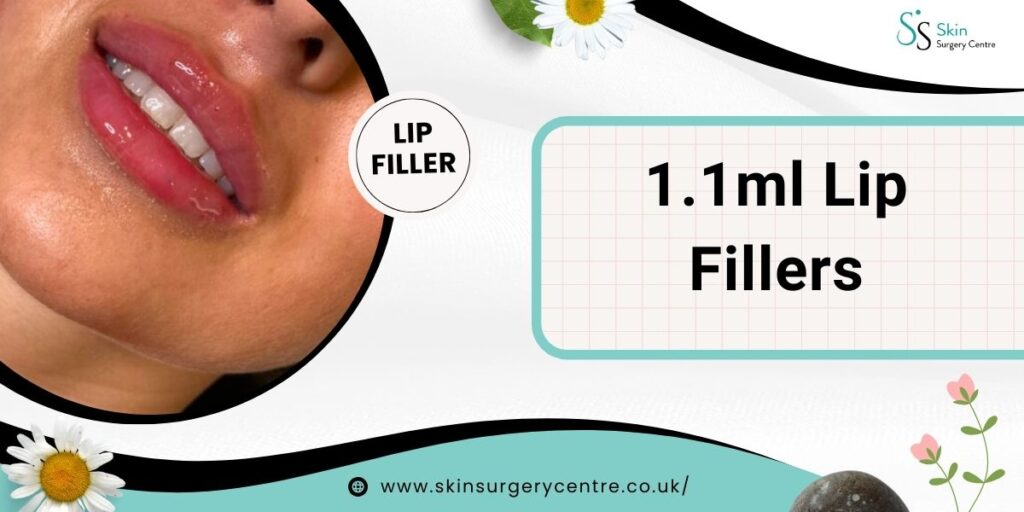
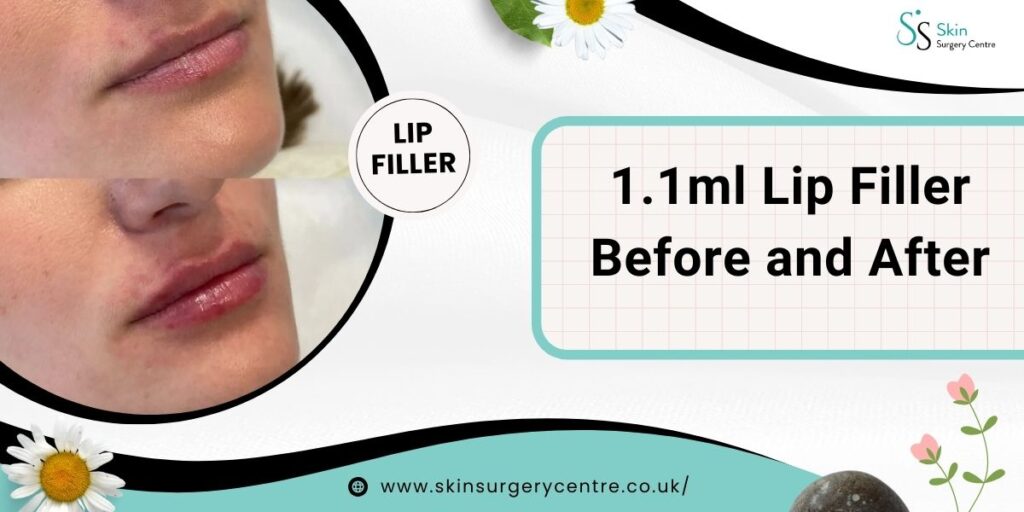
Are you considering ways to achieve fuller, well-defined, and more symmetrical lips with 1.1ml lip filler? Whether this is your...
For people who are thinking about having their lips done, one of the most common questions is, “How much does...
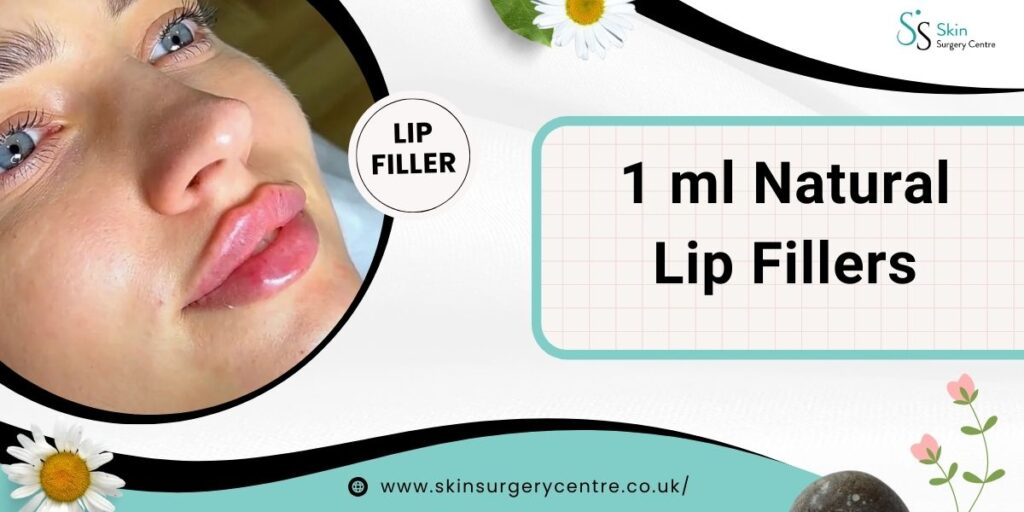
The aesthetic procedure 1ml natural lip fillers is gaining more popularity in this day and age. This particular measurement is...
According to Beauty Tech industry trends, lip augmentation continues to grow in popularity, and for good reason. If you are...