


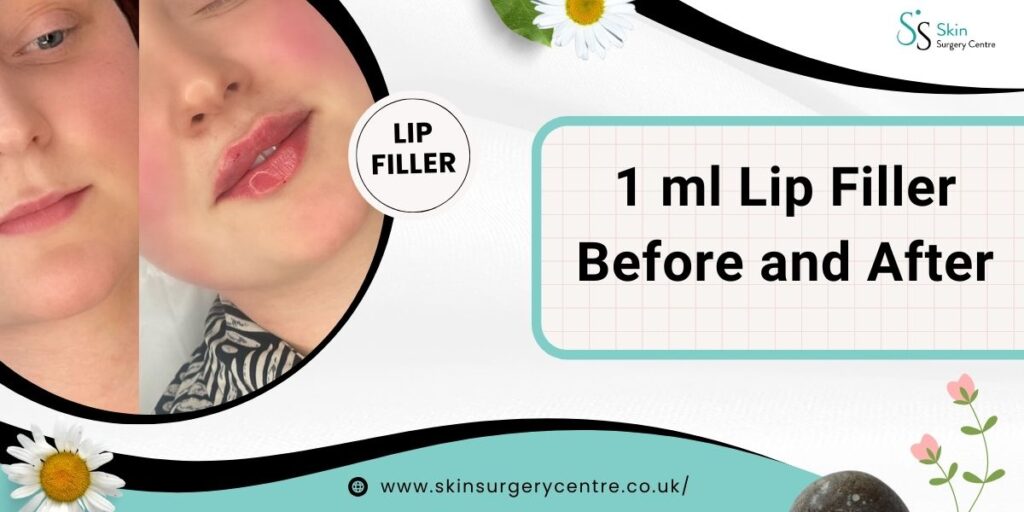
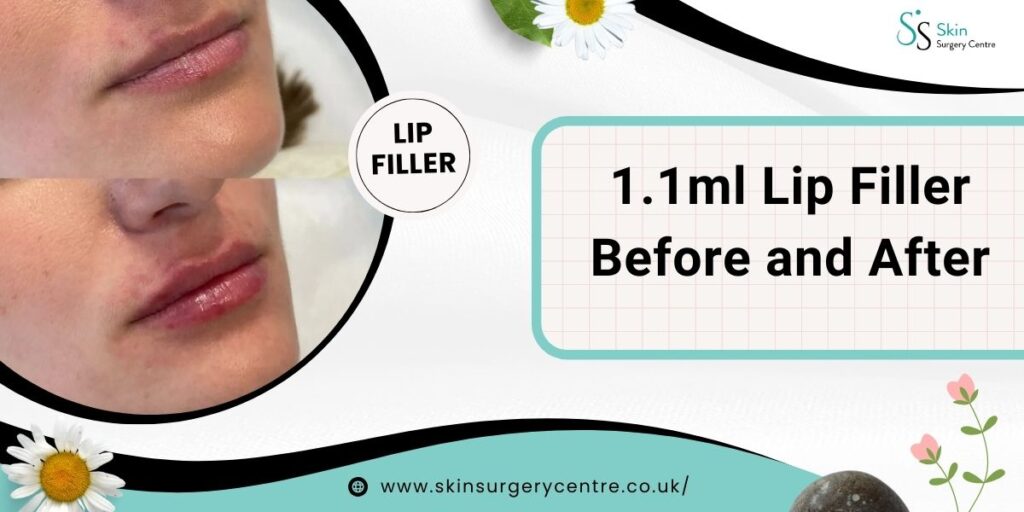
1.1 ml Lip Filler Before and After: What Results To Observe
Lip fillers have become one of the most sought-after non-surgical cosmetic enhancements due to their efficiency, customisability, and minimal downtime....
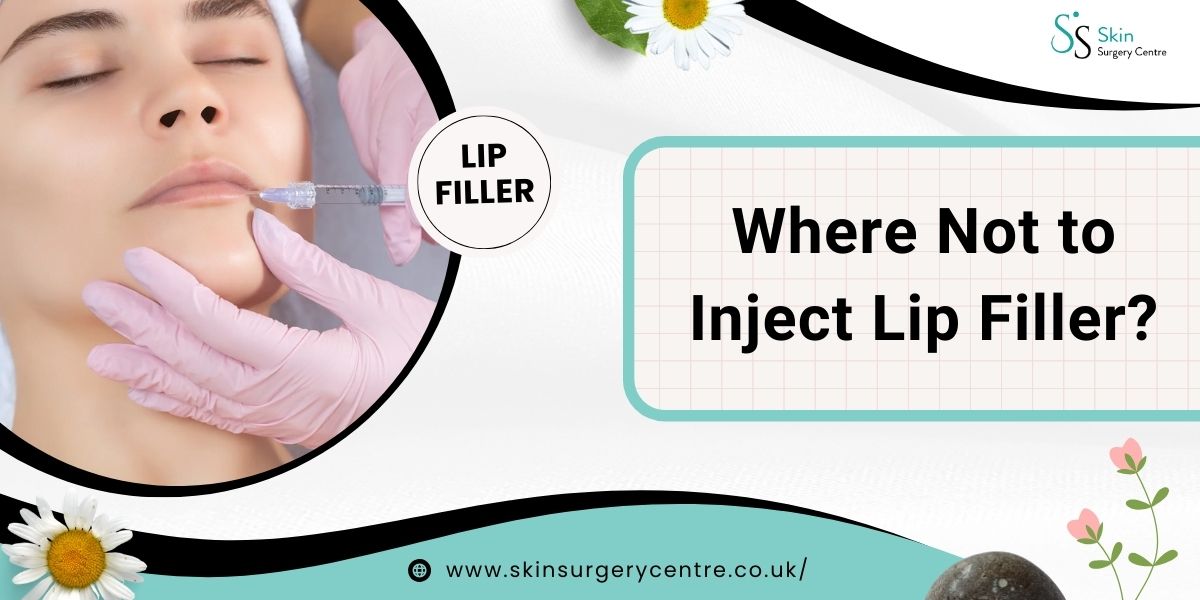
Lip fillers are widely used to enhance lip shape, balance, and definition. However, knowing where not to inject lip filler is just as important as knowing where to place it. Poor placement or inadequate anatomical knowledge can increase the risk of complications ranging from asymmetry to rare but serious vascular events.
From a clinical perspective, lip filler treatments should always prioritise safety, anatomy, and proportion. This guide explains high-risk lip areas that require extreme caution or avoidance, why these zones are dangerous, and how experienced practitioners minimise risk.
The lips are one of the most anatomically complex areas of the face. Beneath the visible surface lies a dense network of:
Because of this complexity, incorrect filler placement can compromise both appearance and tissue health. This is why understanding where not to inject lip filler is critical for both patients and practitioners.
The lips are primarily supplied by the superior and inferior labial arteries, branches of the facial artery. Accidental injection into or compression of these vessels can restrict blood flow.
The lips contain a high concentration of sensory nerve endings, increasing the risk of pain, numbness, or altered sensation if filler is placed incorrectly.
The orbicularis oris muscle surrounds the mouth and controls lip movement. Poor technique can interfere with natural expression and speech.
Injecting filler into a blood vessel can cause vascular occlusion, which may lead to tissue damage if not treated promptly. This is a medical emergency and must be managed immediately by an experienced practitioner.
This region contains multiple vascular branches. Poor placement here increases the risk of filler migration and asymmetry over time.
Superficial or excessive filler placement within this muscle may cause:
Accurate depth and product choice are essential to preserve normal lip function.
Often referred to as the “lip line,” this area is highly sensitive and vascular. Overfilling or incorrect technique can cause pain, irregular contours, or visible lumps instead of definition.
Over-injecting the philtrum can distort natural anatomy, resulting in a flattened or overly projected upper lip. Subtle enhancement, not volume loading, is key in this area.
This is one of the most delicate areas to treat. Excess filler here can erase natural shape rather than enhance it, leading to an unnatural appearance.
Deep injections close to the inner lip increase the risk of vascular compromise and uneven filler distribution.
This region contains important blood vessels. Filler placed incorrectly here can affect circulation and facial balance.
Near the corners of the mouth lies the angular artery. This area carries a higher risk of vascular complications and requires advanced anatomical knowledge.
When high-risk areas are ignored, the following complications may occur:
Most serious complications are rare but preventable when treatment is performed by an experienced medical professional.
Lip filler safety depends heavily on practitioner skill. A qualified aesthetic practitioner will:
Avoid practitioners who rush consultations, minimise risks, or cannot clearly explain their technique.
Lip fillers are not simply about adding volume. They are about respecting anatomy, proportion, and function. When high-risk zones are avoided and conservative techniques are used, lip fillers can enhance appearance safely and naturally.
Understanding where not to inject lip filler empowers patients to make informed decisions and seek appropriately qualified professionals.
A: High-risk areas include blood vessel pathways, the vermilion border if overfilled, the philtrum when excessive volume is used, and regions near the angular artery. These areas require advanced technique or avoidance.
A: Yes, although rare. Vascular occlusion can occur if filler enters or compresses a blood vessel, which is why experienced technique and anatomy knowledge are essential.
A: Through conservative dosing, correct injection depth, appropriate product selection, and a thorough understanding of lip anatomy.
Enhancing your lips should never compromise safety. Choosing a trained, experienced practitioner who understands where not to inject lip filler is the most important step toward safe, natural results.

Lip fillers have become one of the most sought-after non-surgical cosmetic enhancements due to their efficiency, customisability, and minimal downtime....
Are you considering ways to achieve fuller, well-defined, and more symmetrical lips with 1.1ml lip filler? Whether this is your...
For people who are thinking about having their lips done, one of the most common questions is, “How much does...
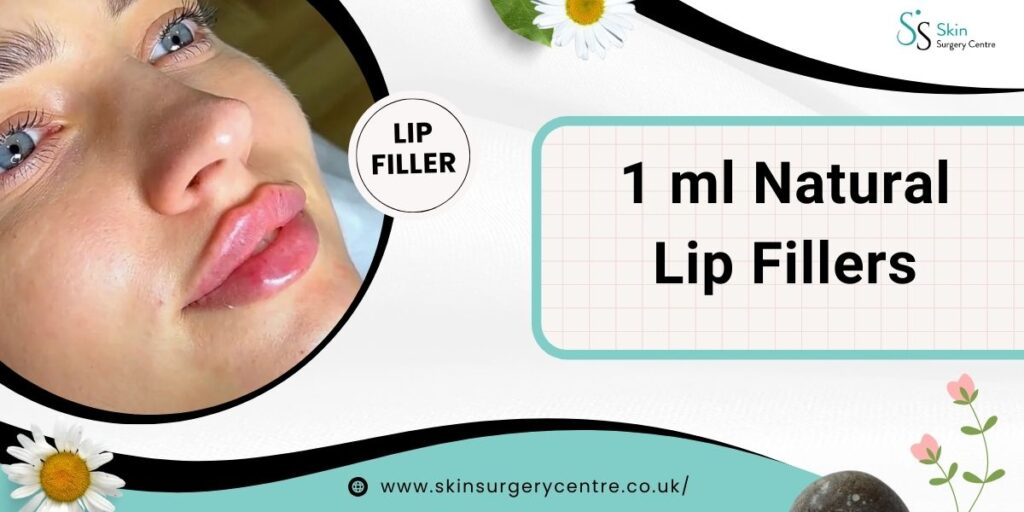
The aesthetic procedure 1ml natural lip fillers is gaining more popularity in this day and age. This particular measurement is...
According to Beauty Tech industry trends, lip augmentation continues to grow in popularity, and for good reason. If you are...