

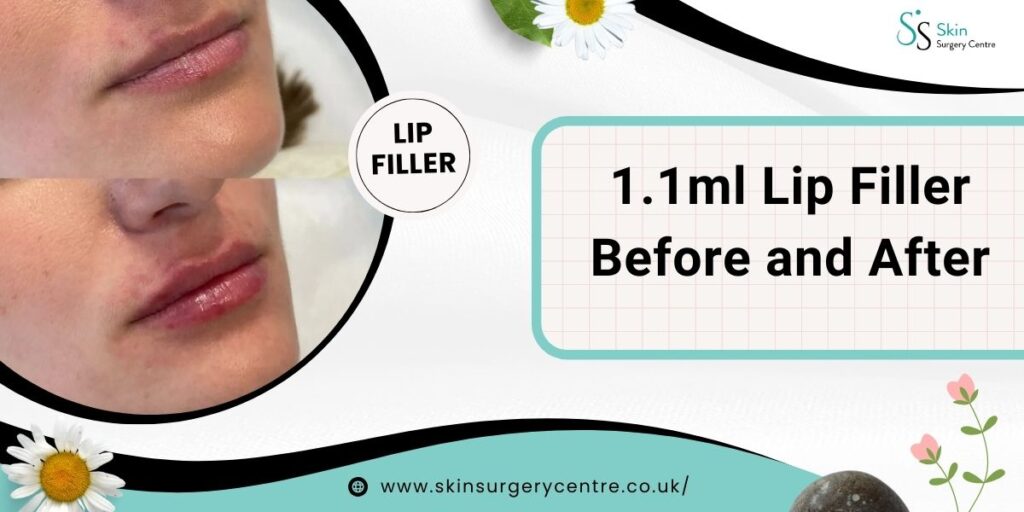
1.1 ml Lip Filler Before and After: What Results To Observe
Lip fillers have become one of the most sought-after non-surgical cosmetic enhancements due to their efficiency, customisability, and minimal downtime....
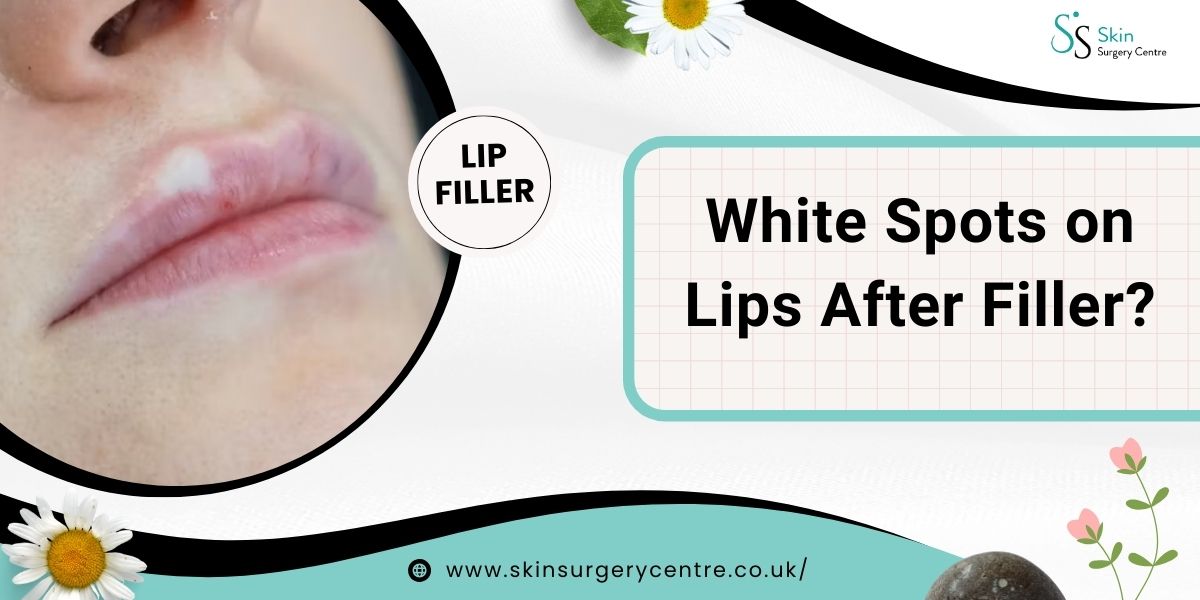
Seeing white spots on lips after filler treatment can feel worrying—especially if you weren’t expecting any visible changes beyond mild swelling. While most cases are harmless and temporary, understanding why white spots appear helps you respond appropriately and avoid unnecessary panic.
This guide explains the most common cosmetic and medical causes, how to manage them safely, and when professional review is essential.
White spots after lip fillers can occur for several different reasons, most of which are non-emergency and resolve on their own.
When filler is placed too close to the skin surface, it can appear as pale or whitish areas—especially in thin lip tissue.
An experienced injector avoids this by choosing the correct depth and product consistency.
Swelling can temporarily compress tiny blood vessels, reducing surface blood flow and creating pale patches.
This is a normal healing response, not a complication.
If filler shifts slightly from its intended position, it can cause uneven texture or light patches.
Rarely, the body reacts to filler weeks later, forming small nodules or firm areas that may appear pale.
In people with a history of herpes simplex virus (cold sores), filler injections can trigger an outbreak.
High-quality, MHRA-approved fillers rarely cause true foreign-body reactions, but low-grade products increase risk.
Not all white areas are the same.
If white patches are accompanied by severe pain, numbness, skin discolouration, or coldness, urgent medical review is required. This scenario is covered separately in your white blanching after lip filler guide.
➡ Typically resolve within 1–2 weeks as filler settles.
➡ May require:
Never attempt to massage aggressively or self-treat without guidance.
If advised, gentle monitoring—not manipulation—is best.
Seek professional review if:
Early review prevents escalation.
Your lips deserve expertise, precision, and care—not shortcuts.
A: Yes, in many cases white spots on lips after filler are normal and temporary. They are commonly caused by swelling, superficial filler placement, or temporary changes in blood flow during healing. These usually improve within 1–2 weeks as the filler settles.
A: Most white spots resolve within a few days to two weeks. If the spots persist beyond this timeframe or worsen, a professional review is recommended to rule out filler misplacement or delayed inflammatory reactions.
A: White spots are usually superficial and cosmetic, whereas white blanching after lip filler indicates reduced blood flow and may signal vascular compromise. Blanching is typically painful and requires immediate medical attention, while white spots usually do not.
A: Most white spots are not dangerous. However, if they are accompanied by severe pain, numbness, skin discolouration, or coldness, this may indicate a vascular issue and requires urgent medical assessment.
A: Only massage the lips if explicitly advised by your practitioner. Unsupervised or aggressive massage can worsen filler migration or irritation. In most cases, observation is safer than manipulation.
A: Not always. White spots can occur even with correctly performed treatments due to swelling or individual tissue response. Persistent or uneven spots may indicate superficial placement, which can often be corrected easily by an experienced injector.
A: Yes, if white spots are caused by misplaced or superficial hyaluronic acid filler, hyaluronidase can be used to dissolve the product safely when clinically appropriate.
A: Softer fillers designed for the lips reduce the risk, but technique and placement matter more than brand alone. Using MHRA-approved products and an experienced injector significantly lowers risk.
A: Immediate white spots are often related to swelling or temporary pressure on blood vessels and usually resolve quickly. Monitoring is appropriate unless pain or colour changes worsen.
If you’re unsure whether your symptoms are normal, book a review with a qualified aesthetic professional. Proper assessment ensures safety, reassurance, and the best possible outcome.

Lip fillers have become one of the most sought-after non-surgical cosmetic enhancements due to their efficiency, customisability, and minimal downtime....
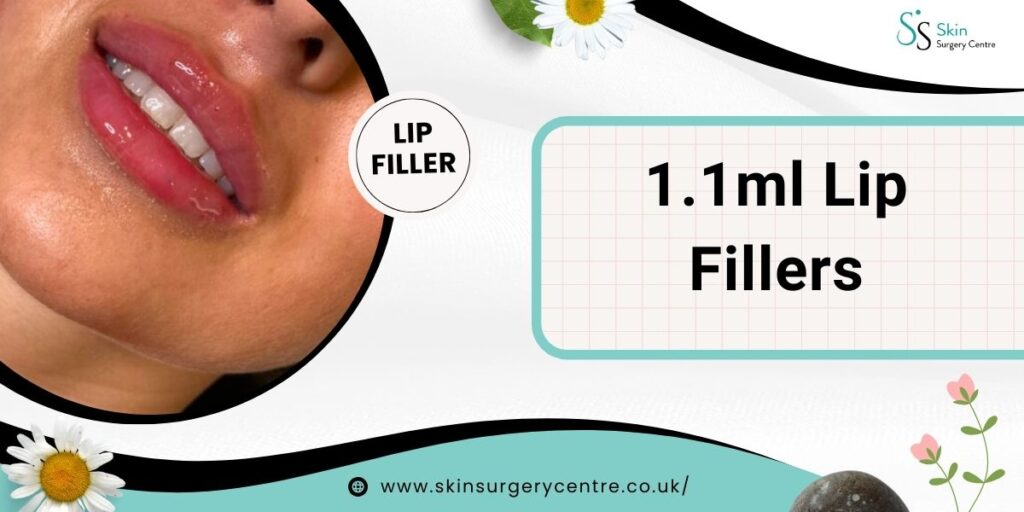
Are you considering ways to achieve fuller, well-defined, and more symmetrical lips with 1.1ml lip filler? Whether this is your...
For people who are thinking about having their lips done, one of the most common questions is, “How much does...
The aesthetic procedure 1ml natural lip fillers is gaining more popularity in this day and age. This particular measurement is...
According to Beauty Tech industry trends, lip augmentation continues to grow in popularity, and for good reason. If you are...