

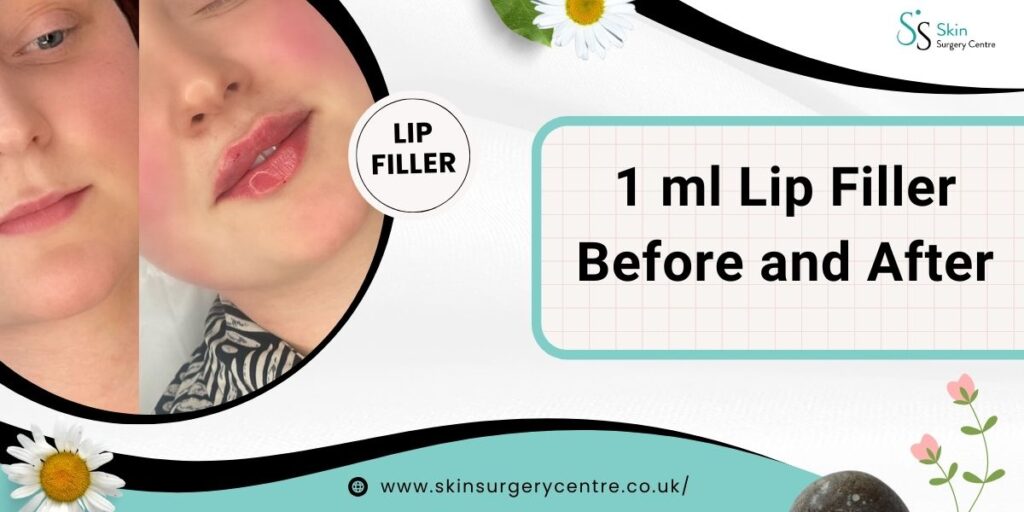
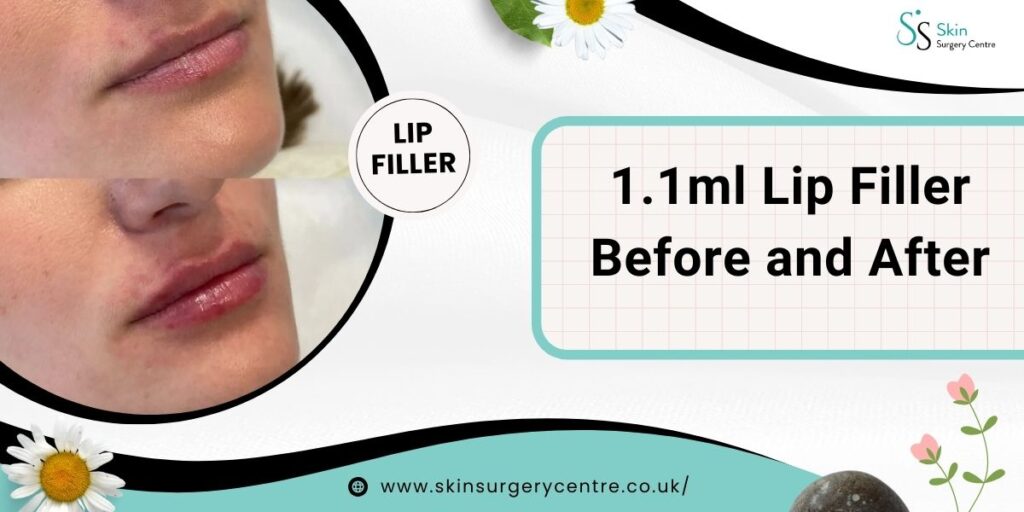
1.1 ml Lip Filler Before and After: What Results To Observe
Lip fillers have become one of the most sought-after non-surgical cosmetic enhancements due to their efficiency, customisability, and minimal downtime....
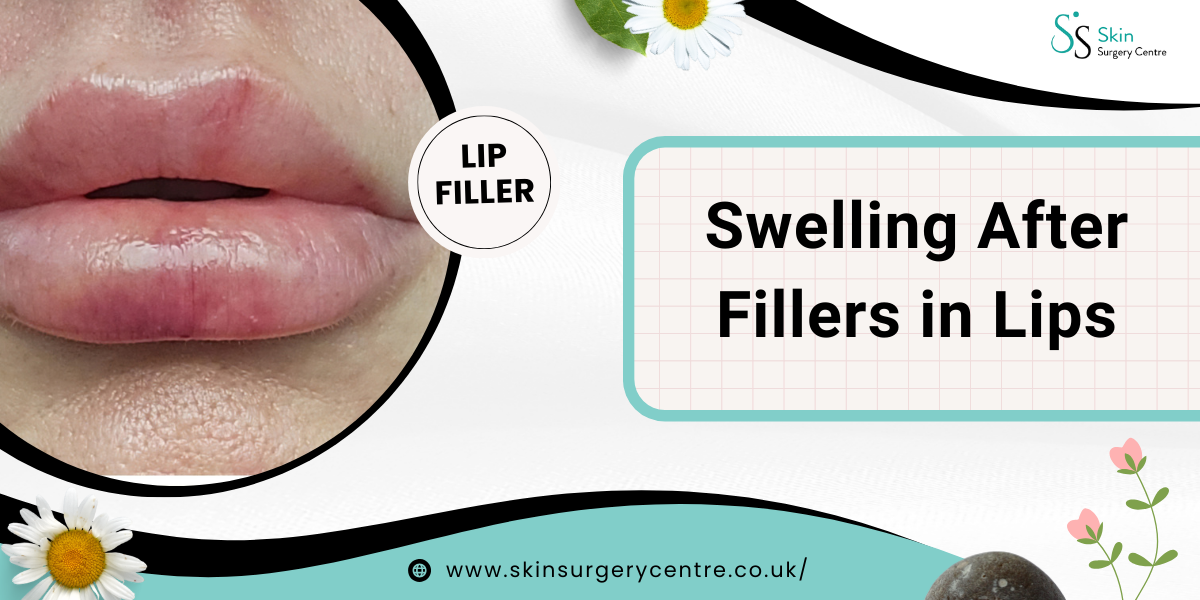
Swelling after lip fillers is one of the most common and expected parts of the treatment process. Because the lips are delicate and highly vascular, temporary swelling can occur as the body responds to injections and the filler settles into the tissue.
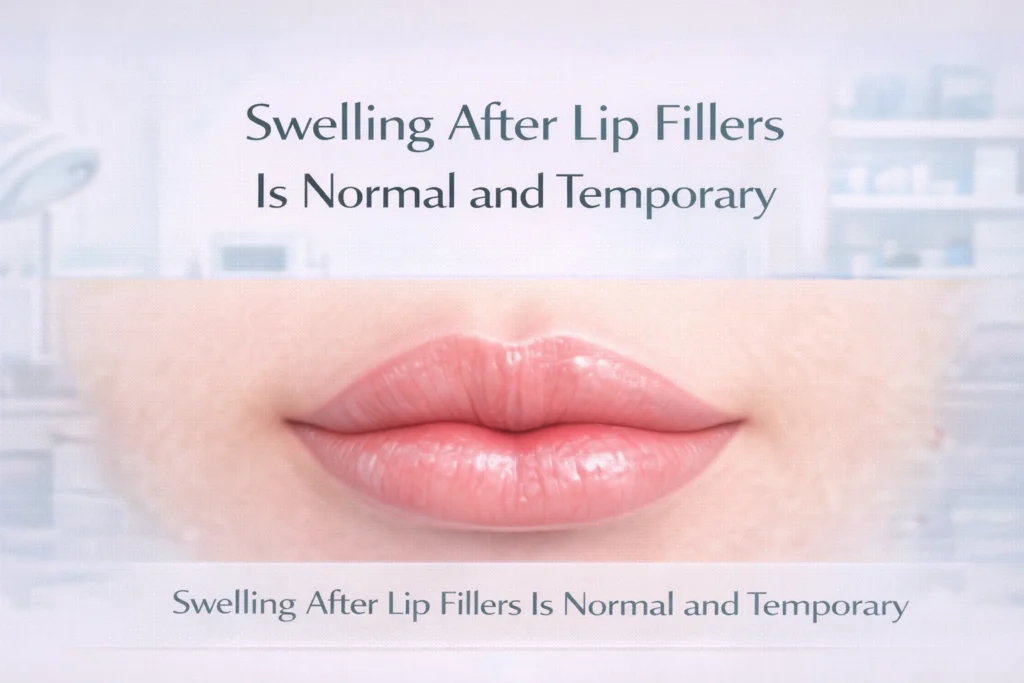
For most people, this swelling improves gradually over the first one to two weeks and forms a normal part of healing rather than a complication. Understanding what is typical, how long swelling lasts, and when review may be needed can help you feel reassured during recovery.
Swelling after fillers in lips is a normal and expected part of healing. Most swelling peaks within the first 24–48 hours, improves significantly within 3–7 days, and continues settling over 1–2 weeks. Mild residual swelling or firmness may last slightly longer depending on individual healing and filler type. Swelling that worsens, becomes painful, or does not improve over time should be assessed by a qualified practitioner to rule out complications.
Lip fillers are expected to cause some temporary swelling because the lips are sensitive and highly vascular. One way to think about swelling is as the natural reaction in your body to an injection of filler through the delicate lip tissue.
While it may seem frightening, the good news is that swelling is most likely temporary in nature and as time progresses, resolves and simply goes away.
If you know the stages of swelling, it should enable you to worry less within the first few days after the procedure.
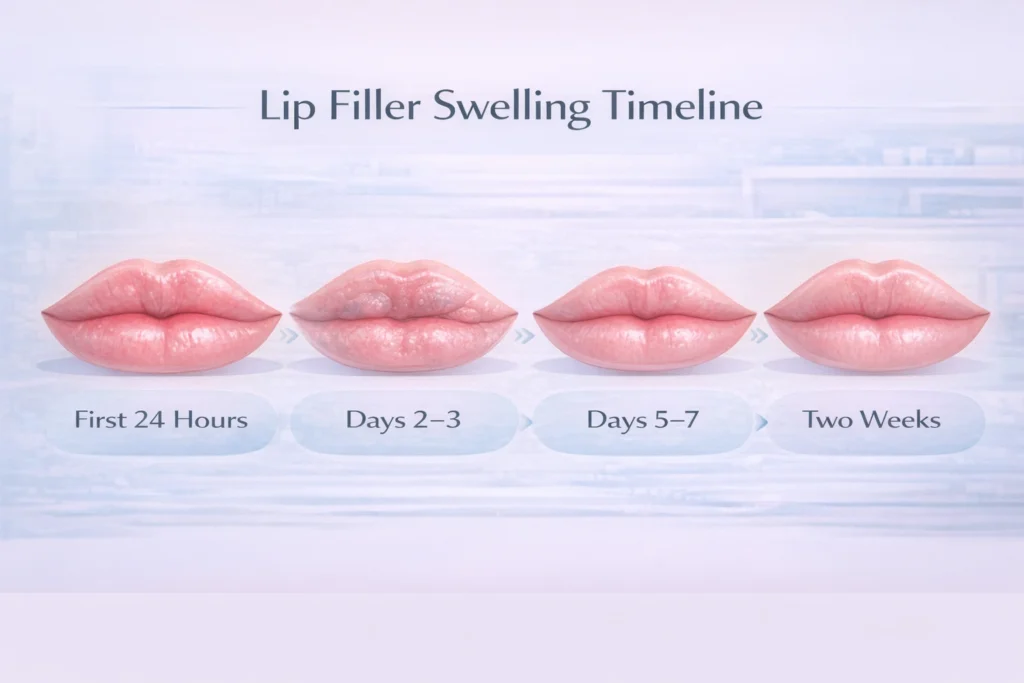
| Stage After Treatment | What Happens | Is This Normal? |
|---|---|---|
| First 24–48 hours | Peak swelling, tenderness, fullness | Yes |
| Days 3–5 | Swelling begins reducing, lips still firm | Yes |
| Week 1 | Noticeable improvement, mild unevenness | Yes |
| Week 2 | Most swelling settled, final shape clearer | Yes |
| Beyond 2 weeks | Persistent or worsening swelling | Review advised |
This time is best recalled as the peak of swelling. Rest assured, your lips will feel and look much fuller. Not to mention some tenderness or slight redness may also appear during this period.
This phase usually marks the apex of swelling for most patients. Lips may feel uneven or lumpy, and oftentimes the aesthetic appears unreal. Do not worry, this is normal.
Swelling starts to reduce and lips begin to take on their natural texture.
Most noticeable swelling should have significantly improved by this point. Consult your practitioner if swelling persists alongside pain, redness, or signs of an infection.
Swelling often improves significantly by two weeks, but complete resolution can take longer for some individuals. Healing varies depending on technique, filler type, and individual response. Ongoing improvement is usually more important than a fixed timeline.
In clinical practice, temporary swelling is expected after lip filler treatment and often appears more noticeable in the first few days. Most practitioners advise allowing adequate settling time before judging final results, as early fullness or unevenness is usually related to swelling rather than the filler itself.
Gradual improvement over the first two weeks is typically a reassuring sign that healing is progressing normally.
In UK medical aesthetics practice, post-treatment swelling is considered a normal inflammatory response rather than a complication in most cases. Guidance from UK regulatory and professional bodies emphasises appropriate aftercare, realistic expectations, and allowing adequate settling time before judging final results. Careful assessment and practitioner experience remain key factors in ensuring safe recovery and predictable outcomes.
Lip fillers lead to swelling for a variety of reasons:
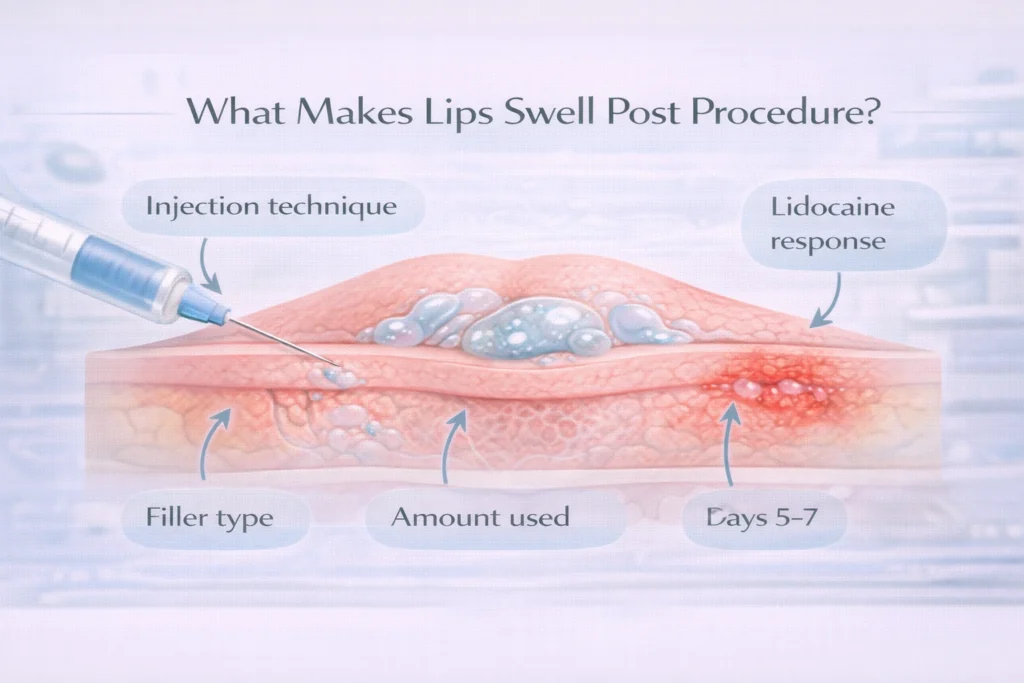
Injection technique: How this procedure is done has a direct correlation with the body’s response. In any trauma-based practice, skilled practitioners do their best to reduce tissue trauma.
Type of filler used: The majority of fillers in hyaluronic acid are lip fillers, with sodium hyaluronic acid being one of those fillers that naturally pulls water towards it. The extent and type of filler used can determine the final swelling brought after application.
Amount of filler: Larger amounts of product can cause greater swelling than smaller amounts.
Lidocaine: Quite a few fillers have Lidocaine in their composition. A numbing component, Lidocaine also has the ability to cause temporary swelling.
Coping with swelling after fillers is easy as there are certain actions that take no effort and that will certainly make you feel more relaxed during recovery.
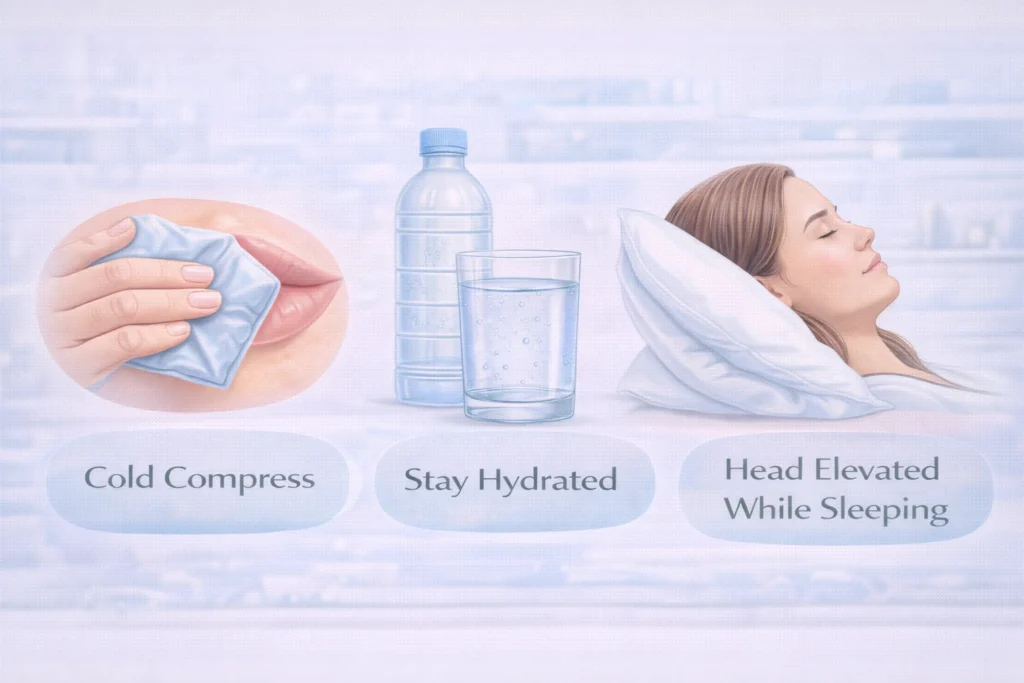
Applying an ice pack wrapped in a cloth to the lip area can be soothing. Ice should not be applied directly to the skin, as it can cause injury. Try using ice and rest together throughout the day.
Drink plenty of water and stay hydrated. Salty and spicy foods should be avoided, as they may aggravate fluid retention and inflammation. You may try a diet instead that is high in vitamins and antioxidants, and that supports healing.
Resting with your head supported by extra pillows while sleeping will decrease the blood flow to the injected area and help minimise swelling and fluid collection.
Over-the-counter medications such as paracetamol can help alleviate discomfort; however, anti-inflammatory medications such as ibuprofen should be avoided, as they can lead to prolonged bruising. Other medications such as arnica cream and antihistamines may help minimise swelling.
Only use over-the-counter treatments if they were not restricted by your practitioner. Avoid introducing new supplements or medications without professional advice, as some products may increase bruising or interfere with healing.
In the first 24 to 48 hours after treatment, patients should not partake in any activities that increase blood circulation, including exercise, saunas, and hot baths.
There are a few other expected side effects that may occur along with swelling:
These side effects should go away after a few days or weeks. If they continue or worsen, contact your doctor.
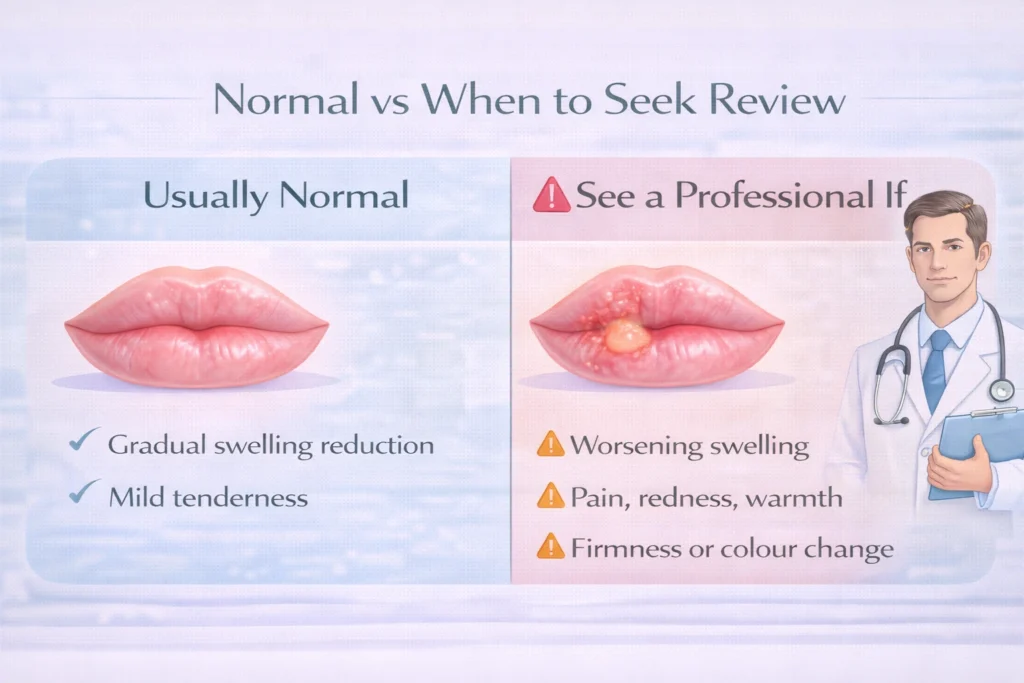
When uncertain, early professional assessment is safer than waiting.
People typically notice swelling starting to go down within two to three days. However, it can take your lips up to two weeks to settle and fully heal. As a reminder, everyone heals differently due to their metabolism, skin type, and the type of procedure done.
If swelling lasts longer than two weeks accompanied with other symptoms such as fever, extreme pain, or discolouration, reach out to your practitioner right away to avoid complications.
Read More: How Long Does Swelling Last After Lip Fillers?
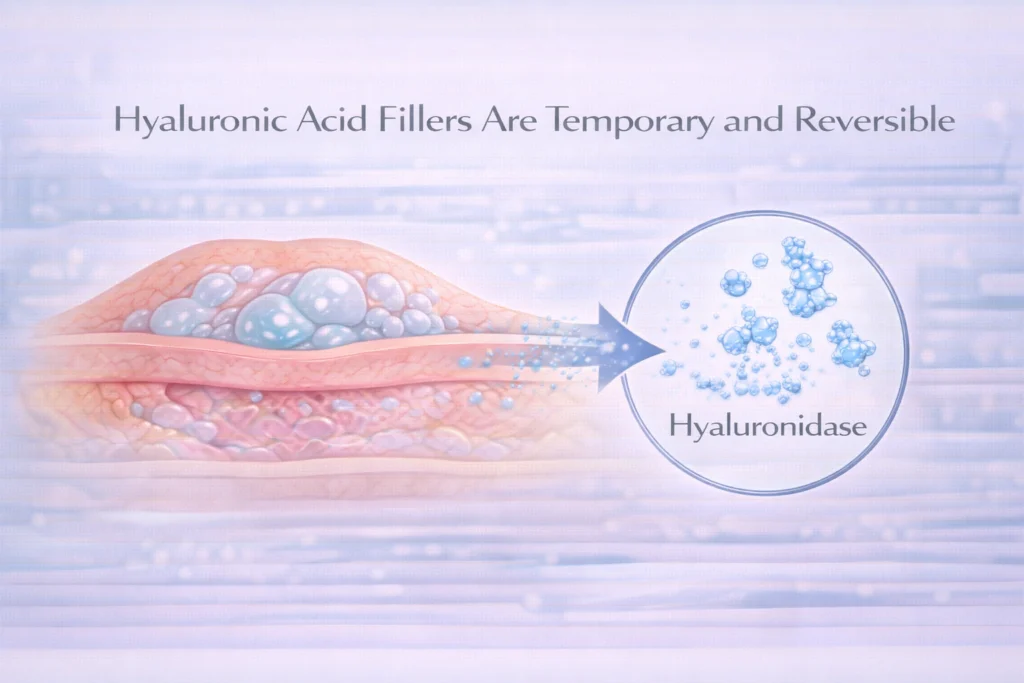
Swelling is a normal inflammatory response to injections. It’s nothing to worry about unless it persists for too long or comes with other symptoms.
Furthermore, you can rest easy knowing that the results from hyaluronic acid fillers aren’t permanent. The substance will, eventually, be broken down and absorbed by the body.
If you are unsatisfied with the results you received, or you suffer from unwanted side effects, hyaluronic acid fillers can be reversed safely with hyaluronidase, an enzyme which dissolves the filler.
Swelling after lip fillers is usually temporary and improves as the lips heal and the filler integrates with surrounding tissue. Mild fullness, unevenness, or firmness in the early stages is typically part of the normal settling process rather than a problem.
If swelling becomes increasingly painful, worsens rather than improves, or is associated with skin colour changes or heat, professional assessment is recommended. When in doubt, seeking advice from a qualified practitioner helps ensure safe and appropriate care.
A: Yes. Swelling is one of the most common and expected reactions after lip filler treatment. Because the lips are highly vascular, temporary swelling occurs as the tissue responds to injections and the filler settles. For most people, swelling gradually improves over one to two weeks.
A: Swelling often appears more noticeable within the first 24–48 hours due to the body’s inflammatory response and fluid retention. This is a normal part of healing and usually begins to improve after the first few days.
A: Most visible swelling improves within 3–7 days, with significant settling by around two weeks. Mild residual swelling or firmness can take slightly longer depending on individual healing and treatment technique.
A: Mild uneven swelling is common in the early stages of healing. One side of the lips may appear more swollen than the other initially, but this usually balances out as swelling reduces and the filler integrates with surrounding tissue.
A: Professional review is recommended if swelling worsens after several days, becomes increasingly painful, is associated with redness or heat, or does not improve after two weeks. When unsure, early assessment provides reassurance and appropriate care if needed.

Lip fillers have become one of the most sought-after non-surgical cosmetic enhancements due to their efficiency, customisability, and minimal downtime....
Are you considering ways to achieve fuller, well-defined, and more symmetrical lips with 1.1ml lip filler? Whether this is your...
For people who are thinking about having their lips done, one of the most common questions is, “How much does...
The aesthetic procedure 1ml natural lip fillers is gaining more popularity in this day and age. This particular measurement is...
According to Beauty Tech industry trends, lip augmentation continues to grow in popularity, and for good reason. If you are...