



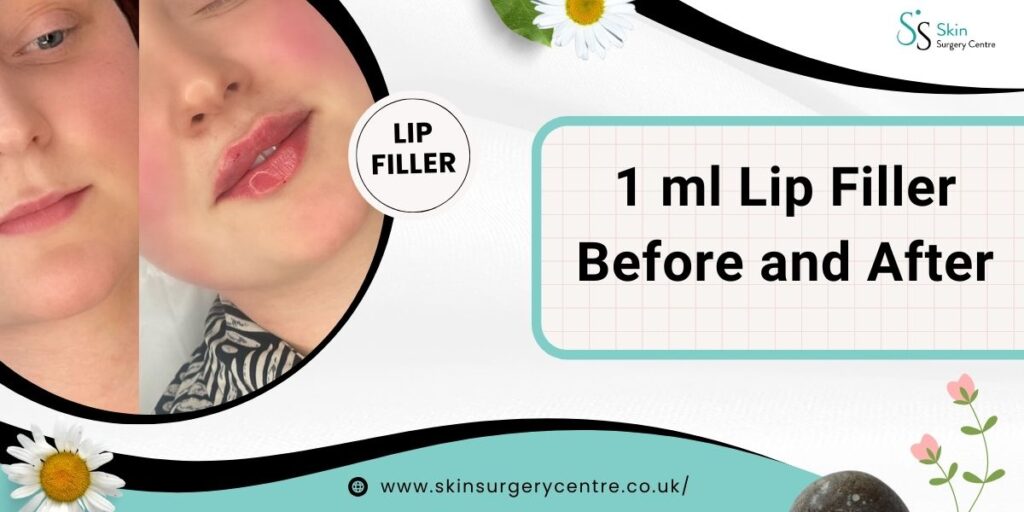
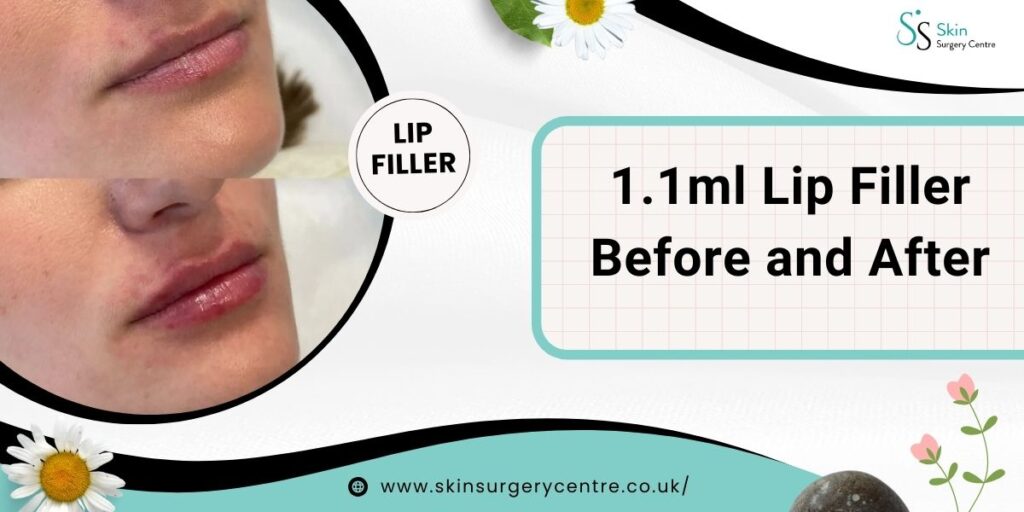
1.1 ml Lip Filler Before and After: What Results To Observe
Lip fillers have become one of the most sought-after non-surgical cosmetic enhancements due to their efficiency, customisability, and minimal downtime....
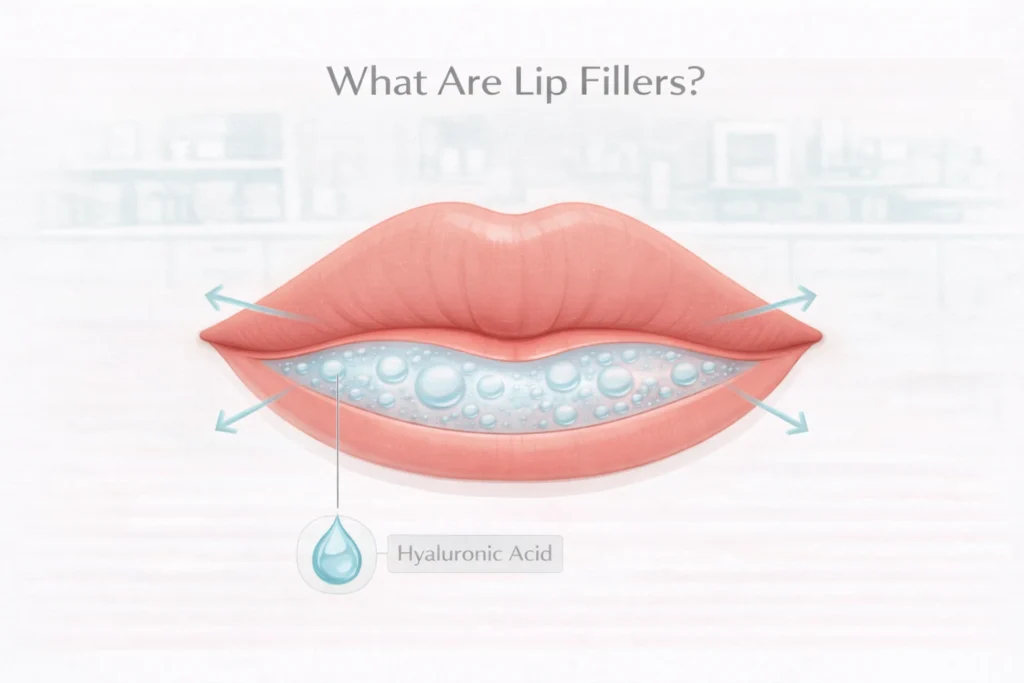
Lip fillers are injectable cosmetic treatments most commonly made from hyaluronic acid, a substance naturally found in the body. They are used to enhance lip volume, shape, symmetry, and hydration. Results are temporary and vary between individuals. While lip fillers are non-surgical, they remain medical procedures involving prescription-only products and clinical risk.
• Lip fillers are temporary injectable treatments used to enhance lip volume, shape, and hydration
• Most UK treatments use hyaluronic acid, a naturally occurring substance in the body
• Results typically last 6–12 months depending on metabolism and lifestyle
• Swelling and bruising are common initially but usually settle within days
• Safe outcomes depend heavily on practitioner training, technique, and product quality
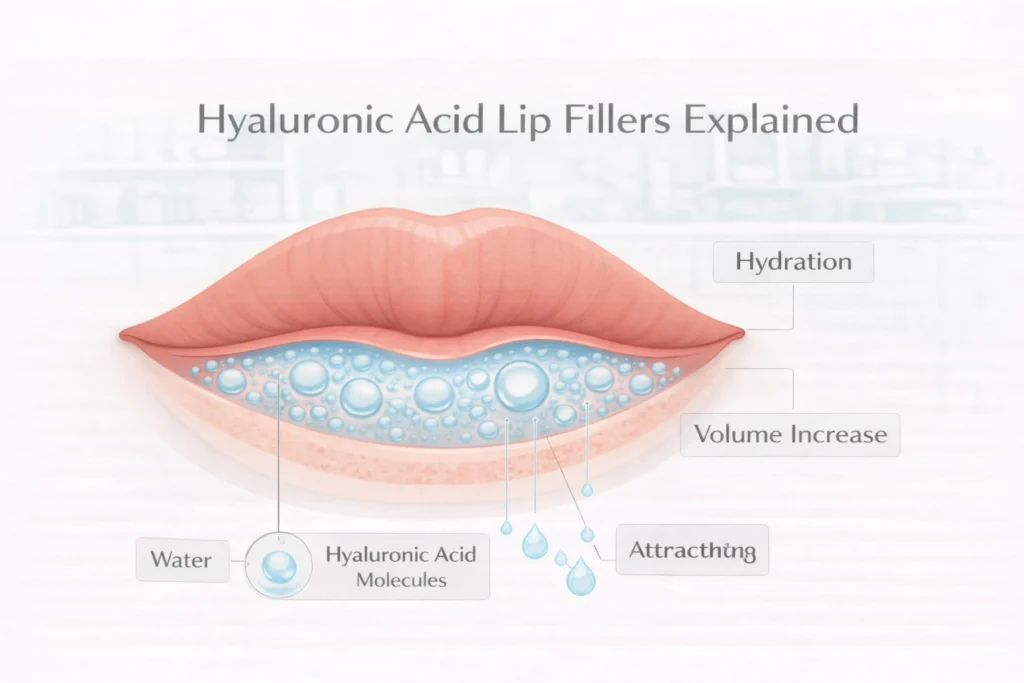
Lip fillers are injectable treatments most commonly made from hyaluronic acid, a substance naturally present in the body. They are used to enhance lip volume, shape, symmetry, and hydration while maintaining natural facial balance. In the UK, lip fillers are considered medical aesthetic procedures rather than simple beauty treatments, meaning suitability, safety, and results depend heavily on practitioner training, product quality, and individual anatomy.
Lip fillers are not a one-size-fits-all treatment. Suitability depends on natural lip shape, facial proportions, expectations, and overall health. Some people seek subtle enhancement and balance, while others want more noticeable volume. A professional consultation helps determine what level of change is realistic and appropriate.
Individuals with certain medical conditions, active infections, or unrealistic expectations may be advised to delay or reconsider treatment. Personalised assessment ensures results remain natural and suited to your features rather than following trends alone.
Lip fillers may not be appropriate for everyone. Individuals with active skin infections, certain autoimmune conditions, unrealistic expectations, or a history of severe allergic reactions may be advised to delay or avoid treatment. A professional consultation helps assess safety, suitability, and whether alternative options may be more appropriate.
The primary ingredient in the most sought-after lip fillers is hyaluronic acid, which is naturally occurring in the human body, as it aids in the retention of moisture. With that said, here are the different varieties of lip fillers that are commonly applied:
These types of fillers are regarded as the best for lip augmentation as they offer a high level of safety, compatibility with the body, and natural-looking results.
They are externally infused hyaluronic acids that aid in lifting the lips and keeping them hydrated. Some of the popular brands are:
It has a soft texture and is commonly used to create smooth, natural-looking volume while maintaining normal lip movement.
Good for creating lip borders and providing additional volume while leaving a soft touch.
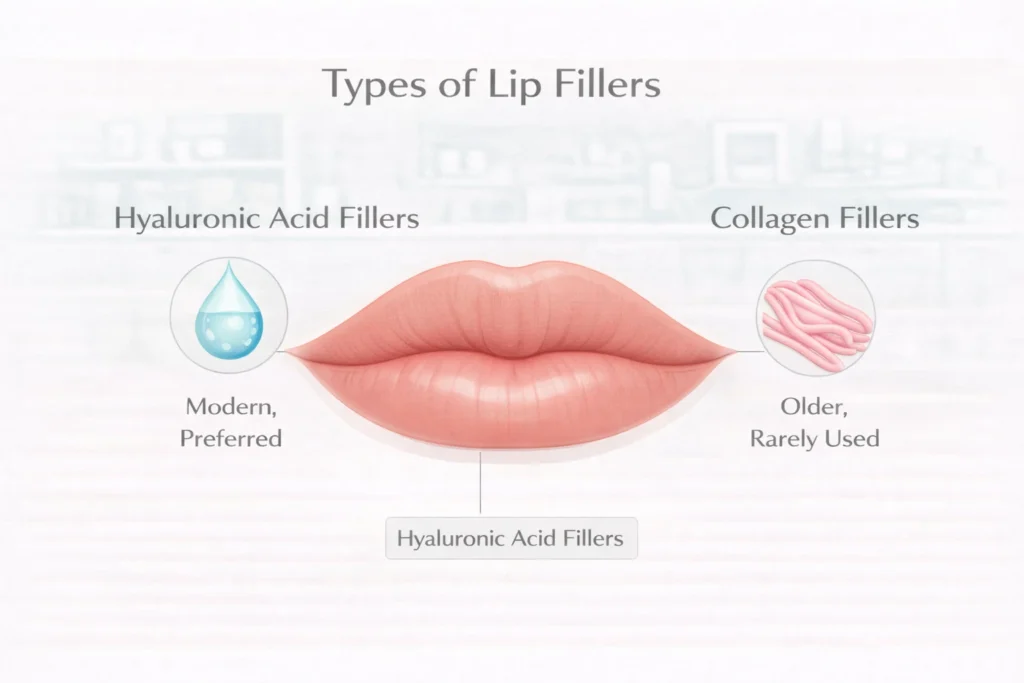
Now rarely used, collagen fillers were the first available option for lip augmentation. Made from animal or human collagen, these fillers do offer some volume but no versatility compared to hyaluronic fillers and require a skin test prior to being used.
Wondering what occurs during a lip filler procedure? Below is an outline of what you can anticipate and the advantages it provides:
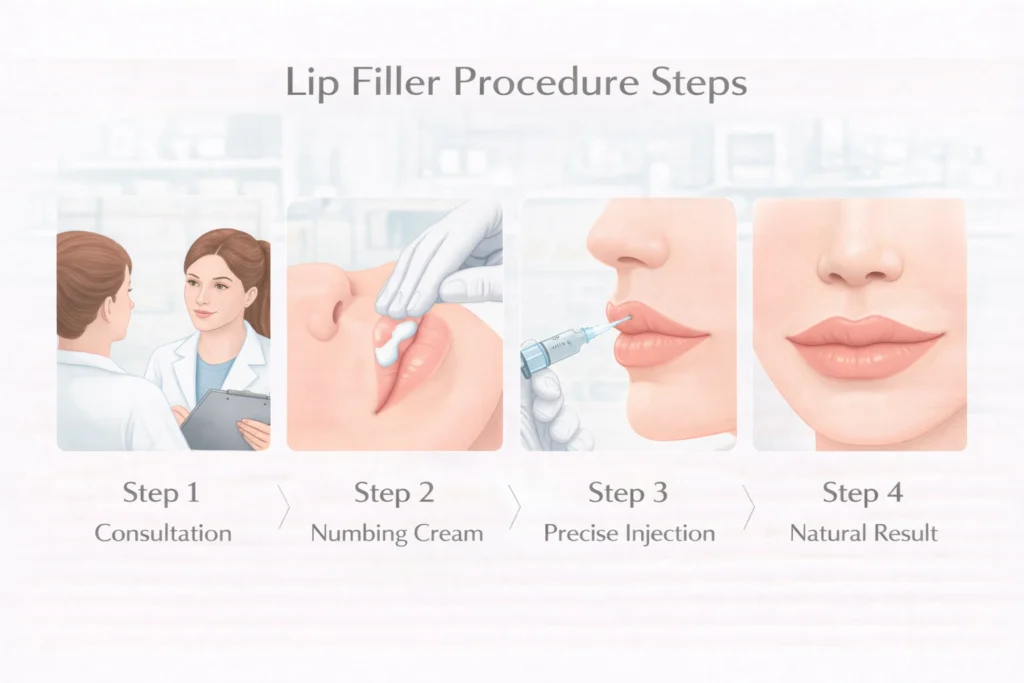
This procedure usually takes 30-60 minutes:
A qualified professional will start with applying a numbing cream to reduce any pain.
The filler is injected into particular regions of the lips with a fine needle to achieve the desired volume and shape.
Post-injection, the practitioner can lightly massage the lips to promote evenly spread filler.
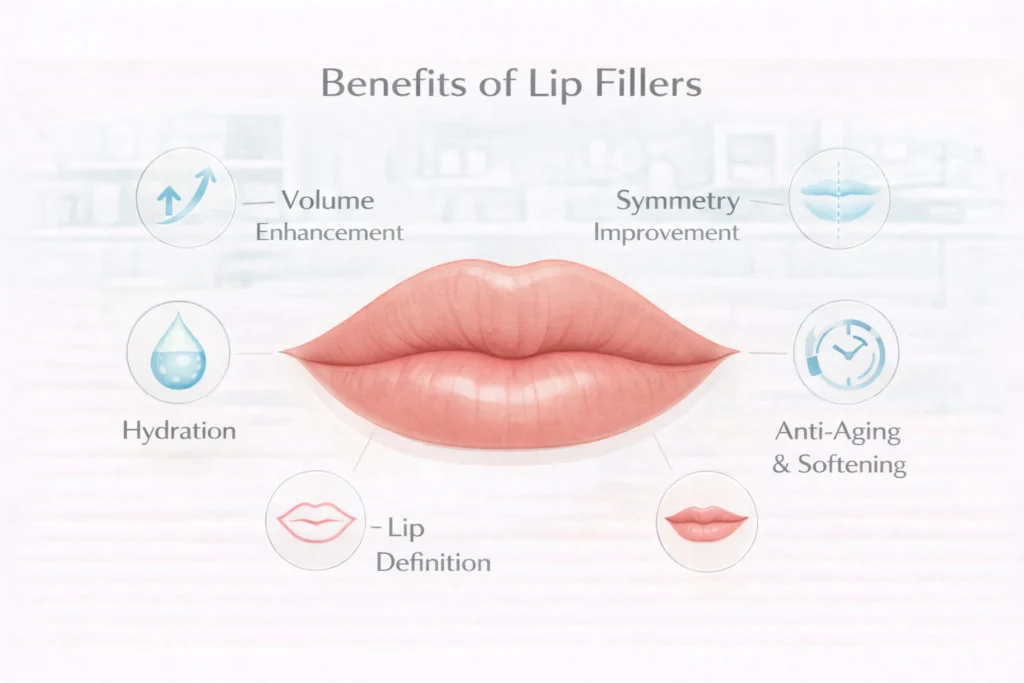
Non-Surgical: Lip fillers do not require surgery and have minimal recovery time. Most patients are able to return to their routine activities within 24-48 hours of the procedure.
Customisable: Treatment can be tailored depending on whether you want subtle enhancement, improved symmetry, or more noticeable volume.
Immediate Results: The shape and volume of your lips will improve the moment the procedure is completed.
Reversible: The fillers can be dissolved by using an enzyme called hyaluronidase. This reversibility is one of the greatest advantages of fillers made with hyaluronic acid.
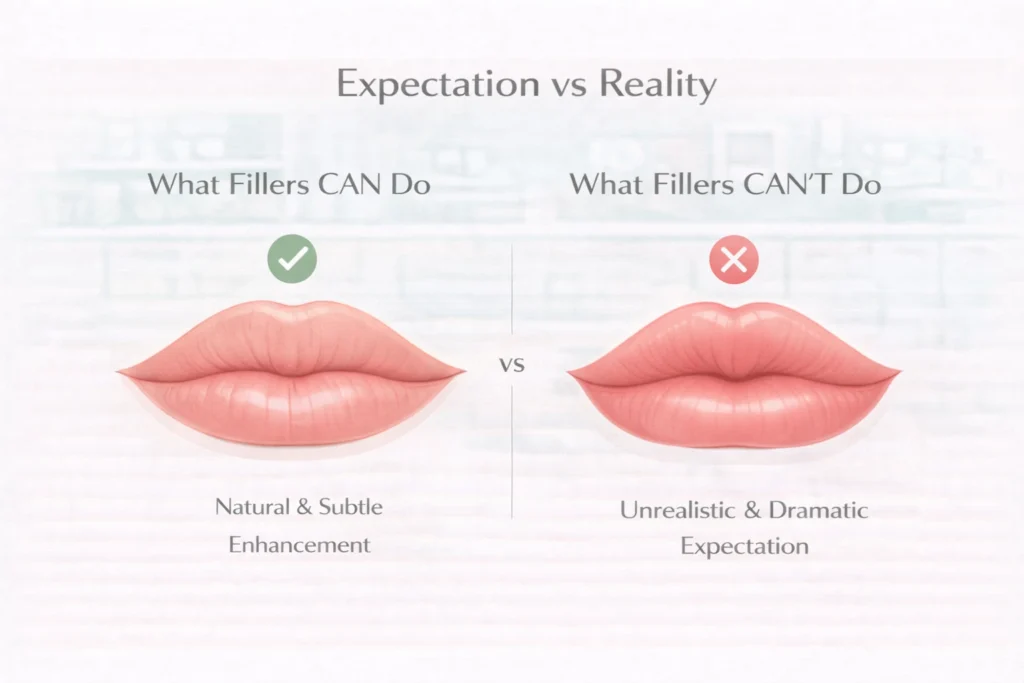
Lip fillers can enhance natural features, improve balance, and restore lost volume. However, they cannot permanently change lip structure, stop ageing, or guarantee identical results for every person.
Outcomes depend on facial anatomy, product choice, technique, and individual healing response. Setting realistic expectations is essential for satisfaction.
In clinical practice, most first-time lip filler patients request subtle enhancement rather than dramatic volume. Natural-looking results usually come from conservative placement, respect for facial proportions, and gradual treatment planning rather than large-volume changes in a single session. This approach helps maintain natural expression and long-term balance.
Most modern lip filler treatments in the UK aim for subtle enhancement rather than dramatic change. When carefully planned, results typically focus on improving lip balance, definition, and hydration while maintaining natural facial harmony.
| Result Type | Typical Volume | How It Looks | Who It Suits |
|---|---|---|---|
| Subtle enhancement | 0.5ml | Slightly fuller, natural | First-time patients |
| Balanced volume | 1ml | Noticeable but proportionate | Most common UK choice |
| Dramatic change | 1.5ml+ staged | Significantly fuller lips | Selected cases only |
For many people, the goal is not noticeably larger lips but a more refined version of their natural shape. Outcomes vary depending on anatomy, product choice, and practitioner technique, which is why personalised planning is essential for natural-looking results.
Lip fillers are often used for volumising purposes. They are a favoured option when:
People with naturally thin lips or age-related volume loss may choose fillers to restore balance and proportion.
Filler lip injections can help solve the problem of uneven lips and work to balance out the ratio between the upper and lower lip.
You can give added elegance to your natural lip contours by enhancing the cupid’s bow as well as defining the edges of your lips.
Hyaluronic acid can improve hydration within the lips, which may create a smoother and more balanced appearance.
Besides reducing the aging effects, fillers may soften the appearance of fine lines around the mouth and improve overall lip definition.
Lip fillers can enhance shape, improve symmetry, and restore lost volume, but they do not permanently alter natural lip structure or stop ageing. Results depend on anatomy, technique, and product choice.
Most modern UK treatments focus on subtle, natural-looking enhancement rather than dramatic change. Understanding this helps prevent unrealistic expectations and ensures satisfaction with the outcome.
There is minimal risk of complication with lip fillers when done by qualified medical personnel. Although there are many myths floating around – let’s go through some of them.
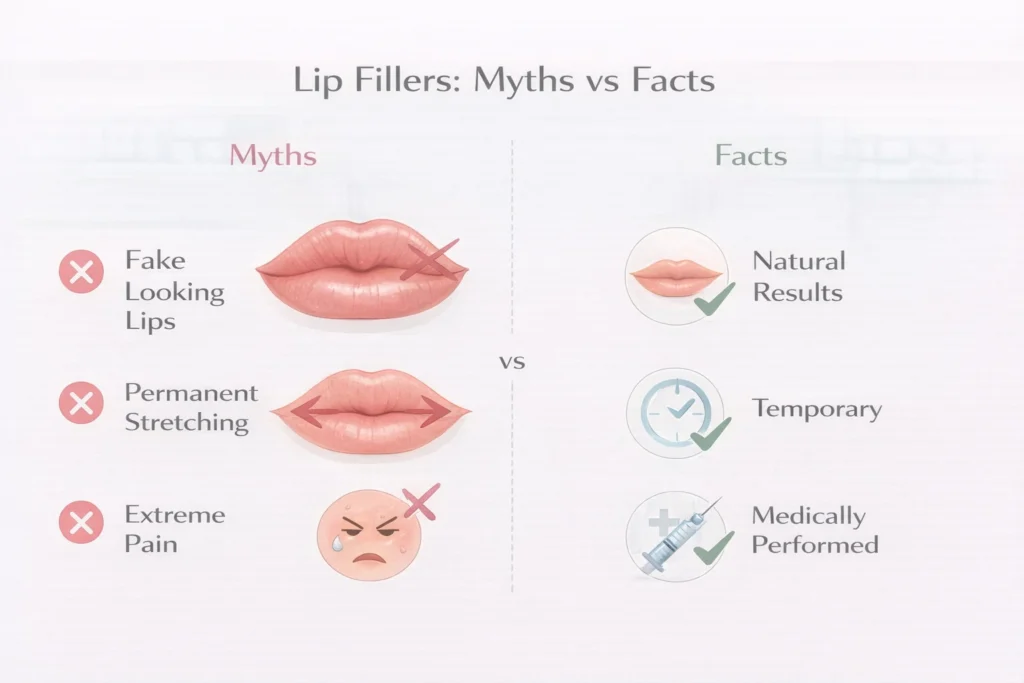
There is a large degree of customization available in filler treatments. An experienced practitioner is able to perform the treatment in a manner that enhances your lips subtly and naturally. That fake look? No longer an issue.
Concerned about pain? Most providers use numbing creams or local anaesthetic to mask discomfort. The injection feels like a pinch, and any soreness will go away within a week.
Lip fillers fade over time as the body uses the hyaluronic acid, so your lips will go back to their normal shape. No stretching or sagging.
Lip fillers are generally considered low-risk when performed correctly, but no cosmetic procedure is completely risk-free. Temporary swelling, bruising, and tenderness are common, while more serious complications are uncommon when treatment follows appropriate clinical standards. Proper practitioner training, product selection, and aftercare all play a role in safety.
Although serious complications such as vascular occlusion are rare, they require immediate recognition and professional management, which is why practitioner training and emergency preparedness are critical in aesthetic practice.
In the UK, dermal fillers are classified as medical aesthetic treatments rather than simple beauty procedures. Safe practice requires appropriate clinical training, informed consent, and use of approved products from reputable manufacturers.
Choosing a medically trained and experienced practitioner helps reduce risks and ensures treatment is planned according to facial anatomy and individual suitability rather than trends or social media influence.
In the UK, practitioners are expected to follow safety standards aligned with the Medicines and Healthcare products Regulatory Agency (MHRA) and professional guidance from bodies such as the General Medical Council (GMC), Nursing and Midwifery Council (NMC), and Joint Council for Cosmetic Practitioners (JCCP). Choosing a practitioner who works within these recognised safety frameworks significantly improves treatment predictability and reduces avoidable risk.
It is important to find a qualified and experienced practitioner to help support safe treatment and realistic outcomes. Look out for the following:
Additional caution or professional advice is recommended if you:
A consultation allows suitability to be assessed and questions to be addressed before treatment.
Before treatment, a consultation usually includes assessment of lip shape, facial balance, and desired outcome. After treatment, temporary swelling or mild bruising can occur while the filler settles.
Final results typically appear softer and more natural after the settling phase. Maintenance treatments may be required as results are temporary and gradually fade over time.
• Mild swelling and tenderness for several days
• Small bruises at injection points
• Temporary firmness or unevenness while settling
• Lips appearing larger for the first 24–48 hours
• Severe or worsening pain
• Pale, mottled, or cold skin
• Blistering or unusual discolouration
• Swelling increasing after initial improvement
Early professional assessment significantly reduces complication risk and helps ensure safe healing.
The decision to have lip fillers should always be based on personal preference rather than trends or social media influence. Taking time to understand realistic results, risks, and maintenance requirements helps ensure satisfaction.
A consultation with a qualified practitioner allows you to explore whether subtle enhancement, structural improvement, or no treatment at all is the most appropriate option for your features and goals.
Whether lip fillers are worthwhile depends on personal goals, expectations, and comfort with temporary cosmetic treatments. Many people choose lip fillers to enhance confidence, restore lost volume, or improve lip balance rather than dramatically change their appearance.
Understanding that results are temporary and require maintenance helps set realistic expectations. A consultation with an experienced practitioner allows you to explore whether subtle enhancement or structural improvement is achievable for your features.
Lip fillers are temporary injectable treatments used to enhance lip volume, shape, and symmetry, most commonly using hyaluronic acid. In modern UK practice, treatment focuses on subtle, natural-looking enhancement rather than dramatic change. Results typically last 6–12 months depending on metabolism and lifestyle. While considered low-risk when performed by qualified practitioners using approved products, lip fillers remain medical procedures requiring careful assessment, realistic expectations, and appropriate aftercare.
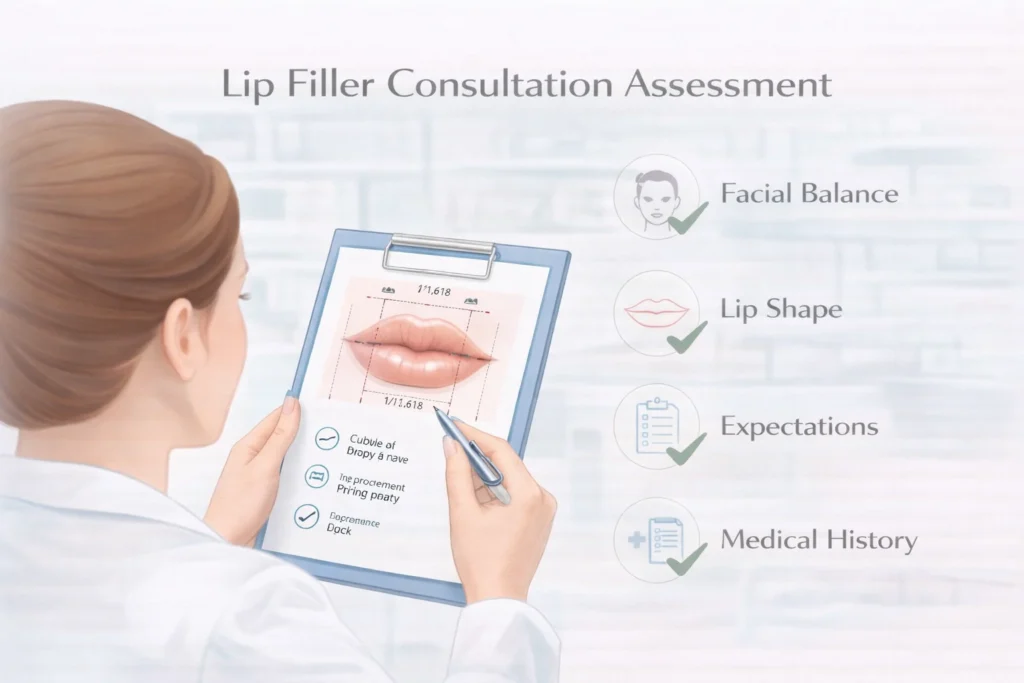
Lip fillers are widely used to enhance lip shape, balance, and hydration, but results vary depending on anatomy, technique, and individual healing.
Understanding what the treatment can realistically achieve helps ensure outcomes feel natural and proportionate rather than overdone. Careful assessment, conservative planning, and appropriate aftercare remain key factors in achieving balanced, natural-looking results.
Although lip fillers are widely available, outcomes and safety depend heavily on assessment, technique, and experience. UK best-practice guidance emphasises informed consent, realistic expectations, and individualised treatment planning rather than one-size-fits-all approaches.

Lip fillers have become one of the most sought-after non-surgical cosmetic enhancements due to their efficiency, customisability, and minimal downtime....
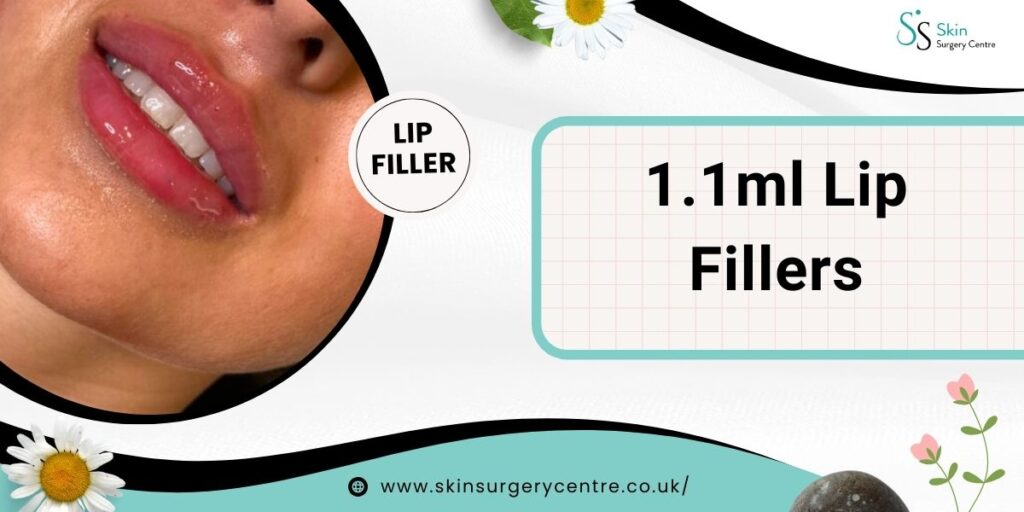
Are you considering ways to achieve fuller, well-defined, and more symmetrical lips with 1.1ml lip filler? Whether this is your...
For people who are thinking about having their lips done, one of the most common questions is, “How much does...
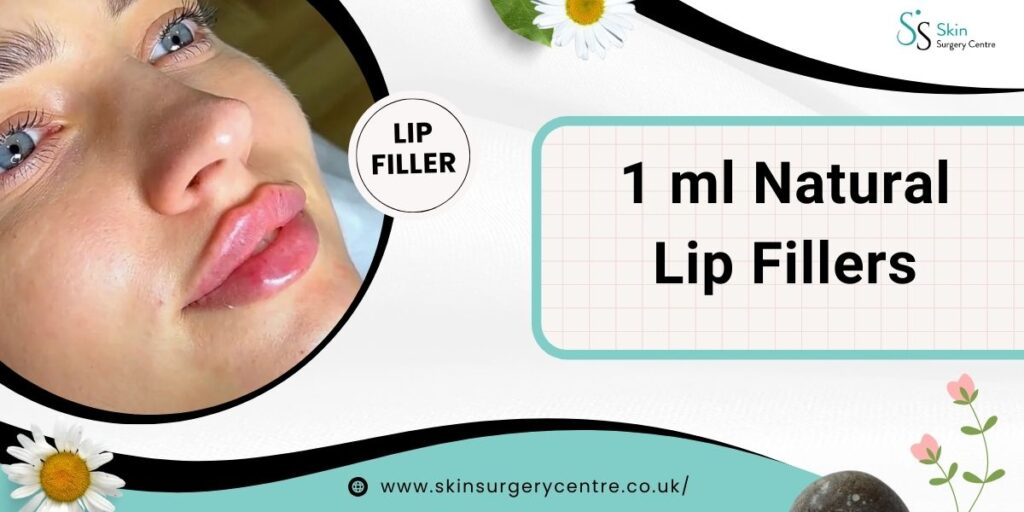
The aesthetic procedure 1ml natural lip fillers is gaining more popularity in this day and age. This particular measurement is...
According to Beauty Tech industry trends, lip augmentation continues to grow in popularity, and for good reason. If you are...