

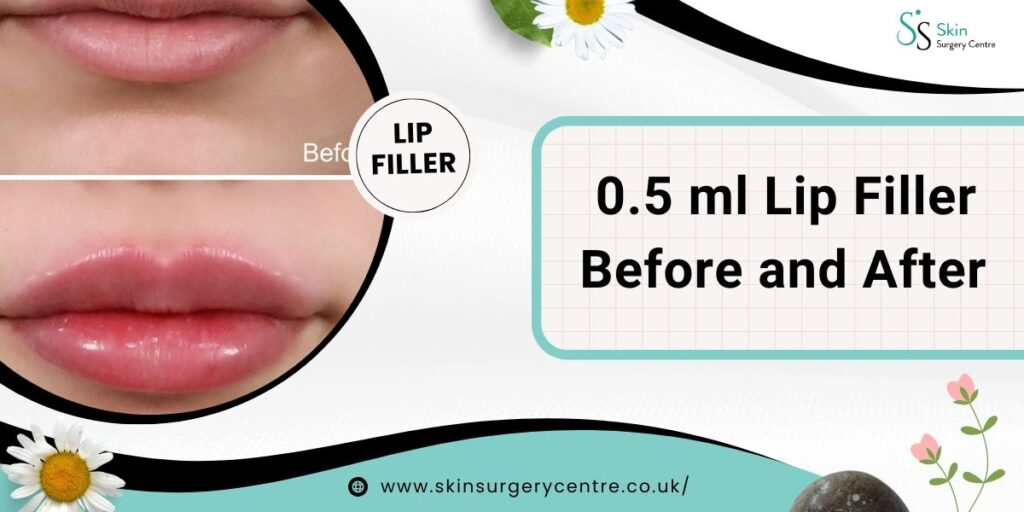
0.5 ml Lip Fillers Before and After: What to Expect
Are you contemplating lip enhancement but can’t seem to get the confidence to undergo the procedure? You are not alone....

Receiving lip fillers has become a popular cosmetic procedure as it allows for the enhancement, volumising, and sculpting of the lips.
Nevertheless, for beginners or first-timers, it is important to understand what to expect after lip fillers and how the healing process typically unfolds.
With this guide, you can prepare for everything that follows treatment, including common side effects, recovery tips, and a realistic timeline for when final results become visible.
Swelling is a normal and expected reaction after lip filler treatment. It occurs as part of the body’s natural inflammatory response to injections and minor tissue trauma. This swelling should not be confused with medical “hyperplasia” or unrelated surgical procedures.
In most cases, recovery follows a predictable pattern:
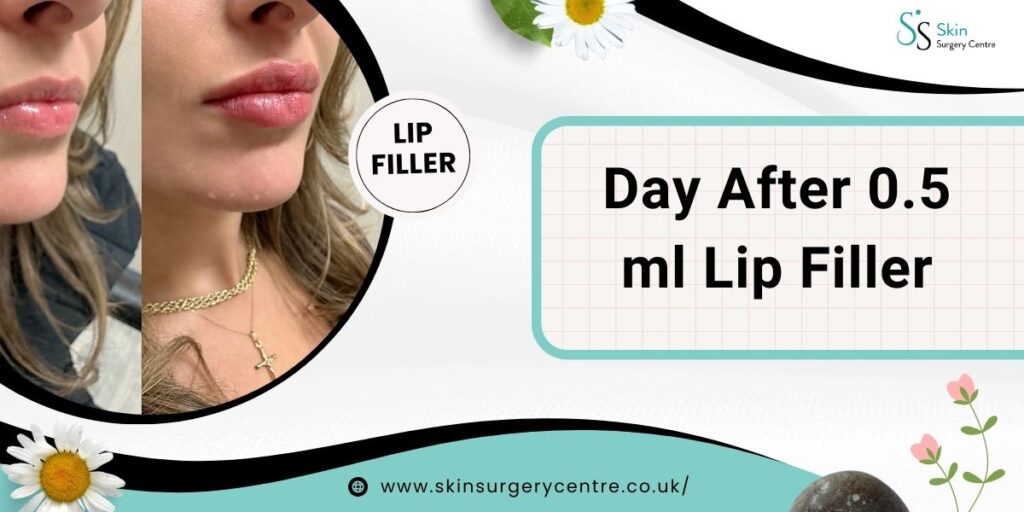
During the first 1–2 days, swelling commonly peaks within the first 48 hours following treatment. Lips may appear fuller or uneven during this stage.
Between days 3 and 7, swelling gradually reduces and the lips begin to soften and settle. Noticeable improvement is usually seen after the third day.
By around two weeks, the majority of swelling has resolved. This stage is generally considered the most accurate time to assess the final aesthetic result.
Every individual heals differently, and recovery speed can vary depending on metabolism, filler type, and aftercare. Following your practitioner’s guidance remains essential for optimal results.
One of the advantages of lip fillers is the absence of medical downtime. Any swelling, tenderness, or bruising experienced is typically short-lived and often referred to as “vanity downtime.”
During the first 24–48 hours,
Being cautious during the first few days after treatment can significantly shorten recovery time.
Swelling and bruising are common but usually manageable with simple aftercare measures.
Applying a cold compress wrapped in a soft cloth for short intervals can help reduce swelling. Care should be taken to avoid placing ice directly on the lips.
Using gentle, non-adhesive materials is important, as the treated area is sensitive and prone to irritation.
Some practitioners may recommend arnica products to help reduce bruising, but these should only be used after professional advice.
When managed properly, these effects resolve quickly and allow results to be enjoyed sooner.
Sleeping position can influence swelling in the early recovery phase.
Keeping the head elevated using extra pillows may help reduce fluid accumulation overnight.
Sleeping face-down or with pressure on the lips should be avoided during the first few nights, as this may interfere with healing.
Some individuals find a U-shaped pillow helpful for maintaining a comfortable, supported position while sleeping.
Most normal daily activities can be resumed immediately, but certain precautions support faster healing.
Maintaining a balanced routine during recovery makes a noticeable difference in how quickly final results appear.
Makeup should not be applied directly to the lips for the first 24 hours following treatment to reduce infection risk.
Your practitioner may recommend specific aftercare products depending on your skin type and filler used.
Most side effects are mild and temporary, but it is important to recognise when professional input is needed.
Bruising may appear several days after treatment and usually resolves within a week. Small internal lumps can occur as the filler settles and typically soften on their own.
If lumps persist or cause discomfort, they may require assessment by your practitioner and, in rare cases, treatment with hyaluronidase.
Unusual pain, increasing swelling, colour changes, or firm areas should always be reviewed promptly by a qualified professional.
Although lip fillers provide immediate enhancement, swelling can temporarily exaggerate results.
After one week, lips generally begin to resemble their intended appearance. By two weeks, healing is largely complete and results appear more balanced. Around four weeks, lips are fully settled, and any follow-up adjustments can be assessed.
Understanding this timeline helps manage expectations and reduces unnecessary concern during healing.
Hyaluronic acid (HA) fillers are the most commonly used option for lip enhancement. Popular brands include Juvederm, Restylane, and Belotero.
These fillers are favoured because they are reversible, customisable, and naturally hydrating. HA attracts water, helping lips remain soft, smooth, and flexible.
Your practitioner will select the most appropriate product based on your anatomy and aesthetic goals.
Lip fillers can be an effective way to enhance lip shape and volume, but understanding what to expect after lip fillers is essential for a smooth experience.
Being informed about recovery, aftercare, and realistic timelines helps maximise results and minimise unnecessary worry. Always consult a qualified practitioner for personalised advice and follow professional aftercare instructions closely.
If you are considering lip fillers or have concerns following treatment, a trusted aesthetic professional can guide you safely through every stage of the process.
A: Most swelling resolves within 7–14 days.
A: Yes. Bruising is common and usually fades within 1–2 weeks.
A: Typically after 24 hours, unless advised otherwise.
A: If swelling worsens, pain increases, or lumps persist beyond two weeks.
Knowing what to expect after lip fillers allows you to heal confidently and recognise what is normal versus when to seek advice. With proper aftercare and realistic expectations, most patients experience smooth recovery and natural-looking results.
Always consult a qualified aesthetic professional, as individual anatomy and treatment plans vary.

Are you contemplating lip enhancement but can’t seem to get the confidence to undergo the procedure? You are not alone....
If you’ve had 0.5 ml lip fillers, it’s completely normal to feel curious — and sometimes anxious — about how...
Of all the available treatment options in cosmetic enhancement, lip fillers seem to be the most popular one regarding facial...
From offering customised fillers that suit patient requirements, lip fillers have emerged as one of the most popular aesthetic treatments...

If you are considering juvederm lips filler to enhance volume, soften fine lines, or refine lip shape, you are not...